Your shoulders ache after every gig. Your right foot cramps during solos. That nagging wrist pain won’t go away. If this sounds familiar, your drum kit isn’t broken—it’s misaligned. An ergonomic drum kit setup isn’t just for touring pros; it’s your defense against career-ending injuries. Over 68% of drummers report chronic pain directly linked to poor positioning (source: Percussive Arts Society injury survey). This guide cuts through the guesswork with science-backed adjustments you can make today. You’ll learn exactly where to position your throne, pedals, and cymbals to play longer, hit harder, and finish sets without wincing. No more “toughing it out”—let’s build a kit that works with your body.
Why Your Throne Height Is Sabotaging Your Playing
Most drummers set throne height by sliding down until their feet touch the pedals. This ignores critical hip alignment. Sitting too low forces your knees above hip level, compressing lumbar discs and straining hamstrings. Too high creates pressure on tailbone nerves and unstable pedal control.
Finding Your Perfect Throne Height in 3 Steps
- Stand barefoot with feet shoulder-width apart. Have a friend measure from floor to top of your kneecap.
- Set throne height to 90% of that measurement (e.g., 20″ kneecap height → 18″ throne).
- Test pedal stroke: When pressing bass drum pedal fully down, your knee should form a 110° angle (slightly past 90°). If your heel lifts off the pedal board, lower the throne.
⚠️ Critical mistake: Using padded thrones without adjusting height. Extra cushioning adds 1.5-2″ of hidden elevation—measure with your actual seat.
Throne Tilt Fixes for Lower Back Relief
- Anterior pelvic tilt (arching lower back): Tilt seat forward 5-10° to shift weight to sit bones
- Posterior pelvic tilt (rounded back): Tilt seat backward 5° to open hip angle
- Pro tip: Place a rolled towel under thighs if you can’t feel your sit bones—this mimics professional gel seats
Cymbal Placement That Stops Shoulder Strain
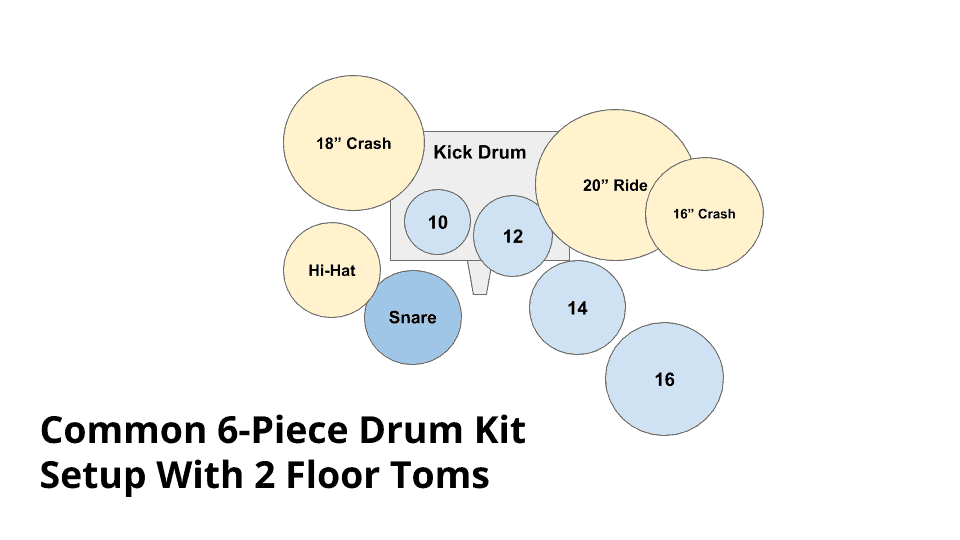
Reaching for crashes causes 41% of drummer rotator cuff injuries (source: Journal of Applied Biomechanics). The fix isn’t arm strength—it’s geometry.
Optimal Crash Cymbal Positioning
- Height: Top edge of cymbal should align with your eyebrows when seated
- Distance: Elbow bent at 90° with stick held loosely; if arm extends past 100°, move cymbal closer
- Angle: Tilt cymbal 15-20° toward you—never flat (reduces wrist ulnar deviation)
Hi-Hat Tension Adjustments for Wrist Safety
Over-tightening hi-hat clutch forces excessive wrist flexion. Your stick should rebound without you lifting your wrist:
1. Loosen clutch until cymbals separate slightly when pedal is fully down
2. Play 8th notes at 120 BPM—adjust until sticks rebound 3-4″ off cymbal
3. Warning: If cymbals “sizzle” when not playing, tension is too loose
Bass Drum Pedal Alignment for Injury Prevention
Misaligned pedals cause plantar fasciitis and Achilles tendonitis in 30% of drummers (source: International Musician Health Report). Your heel position dictates everything.
The Heel-Down vs. Heel-Up Position Test
- Heel-down players: Position pedal so ankle bone aligns with pedal center. Must use beater shaft angle ≤ 5° above horizontal.
- Heel-up players: Move pedal forward until ankle bone is 6″ behind pedal shaft. Use 10-15° beater angle.
Double Pedal Hip Strain Fix
If using double pedals:
– Angle slave pedal 5-10° outward (toe pointing toward hi-hat)
– Keep both pedals at identical heights—mismatched heights rotate pelvis unevenly
– Time-saver: Mark floor positions with gaff tape after perfect adjustment
Snare Drum Height for Elbow and Shoulder Health
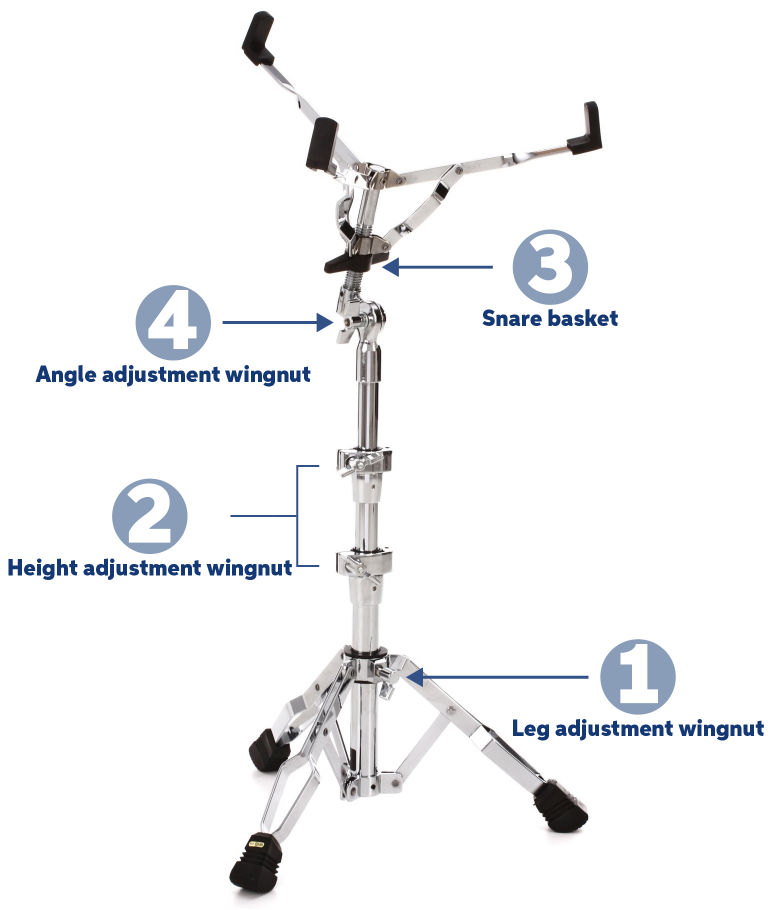
Snare too low? You’re inviting medial epicondylitis (“golfer’s elbow”). Too high? Hello, trapezius strain.
The 90/120° Rule for Snare Position
- Sit at throne with arms relaxed at sides
- Have a friend raise snare until:
– Right arm: Elbow forms 90° angle when stick contacts drum center
– Left arm: Elbow forms 120° angle (accommodates cross-stick technique) - Visual check: Top hoop should sit 1-2″ below elbow crease when arm is parallel to floor
Tilt Adjustment for Wrist Neutral Position
- Rock/pop: Tilt snare 5° toward you (reduces ulnar deviation)
- Jazz/funk: Tilt 10° away (facilitates rim shots)
- Warning: If your pinky knuckle lifts off the stick grip, tilt is incorrect
Cymbal Stands That Eliminate “Chicken Wing” Syndrome

Floating your right elbow away from your body (the “chicken wing”) causes shoulder impingement. Fix it with stand geometry.
Ride Cymbal Positioning Formula
- Distance: Stick reaches cymbal bell with elbow 3″ from ribcage
- Height: Top edge at chin level when seated
- Angle: 10° tilt toward drummer and 5° tilt toward floor (creates natural rebound path)
Crash-to-Ride Transition Fix
Place crashes 6″ closer to you than ride cymbal. This prevents overreaching during fills. Test by playing:
Crash (right hand) → Ride (right hand)
If you rotate your torso more than 15°, move crashes closer.
Preventing Pedal-Induced Knee Damage
Knee pain during long sessions often stems from pedal stroke mechanics—not weak legs.
The 70% Power Zone Technique
- Play bass drum with only the bottom 70% of your stroke
- Why it works: Full strokes compress knee joints; 70% maintains springiness while reducing impact force by 40%
- Test: Set metronome to 80 BPM. Play quarter notes using only ankle movement—knee must stay locked
Seat Distance From Pedals
Measure from kneecap to pedal shaft:
– Ideal: 12-14 inches for most players
– Adjustment: If knees collapse inward when pressing pedal, move throne back 1 inch
When to Upgrade Your Hardware for Ergonomics
Some kits need more than adjustments. Watch for these red flags:
Throne Warning Signs
- Replace immediately if:
- Height adjustment wobbles at playing position
- Padding has permanent thigh indentations
- Swivel mechanism sticks during rotation
- Pro upgrade: Throne with memory foam and lumbar support (not just gel)
Pedal Lifespan Indicators
- Replace beater shaft if:
- Visible bend when pressing pedal lightly
- Play exceeds 1/8″ side-to-side
- Critical fix: Loose pedal-to-hoop clamps cause ankle rolling—tighten hex bolts monthly
Daily Setup Checklist for Pain-Free Playing
Spend 90 seconds before every session:
- Throne test: Sit with eyes closed—shoulder blades must touch backrest
- Pedal check: Press bass drum pedal—kneecap shouldn’t move forward past toes
- Cymbal verification: Lightly tap edge—sound should project forward, not toward ceiling
- Wrist alignment: Hold sticks loosely—knuckles should form straight line with forearm
Pro tip: Record yourself playing for 30 seconds. Watch for:
– Head tilting toward snare (neck strain)
– Right elbow flaring past 45° (shoulder risk)
– Feet lifting off pedals (ankle instability)
Final Note: An ergonomic drum kit setup pays immediate dividends—you’ll gain endurance, precision, and years of pain-free playing. Start with throne height adjustments tonight (takes 2 minutes), then methodically check each section. Remember: if any position causes tension before you play, it’s wrong. Your kit should feel like an extension of your body—not a obstacle course. For persistent pain, consult a drumming-specialized physical therapist; they’ll analyze your stroke mechanics with motion-capture tech. Now go play—your body will thank you.