Your shelves shouldn’t leave you aching after grabbing a mug or force you to climb a ladder for everyday items. Proper ergonomic shelf height transforms how you interact with your home, reducing physical strain while making your space more functional and accessible for everyone. Whether you’re organizing your kitchen, bathroom, or garage, understanding the science behind optimal shelf placement prevents chronic pain and turns mundane storage into health-supporting design. This guide reveals exactly where to position shelves for maximum comfort based on your specific body measurements, room function, and how often you access different items.
The consequences of poor shelf height extend far beyond momentary inconvenience. Shelves positioned too low cause repetitive bending that damages your lower back over time, while overhead storage creates shoulder tension that can lead to chronic pain. Research shows that improper storage design contributes to 30% of household injuries related to falls or strains. Conversely, shelves placed within your natural reach zone require 40% less physical effort during retrieval—effort that adds up to significant energy savings throughout your day. By the end of this guide, you’ll know precisely where to position shelves in every room to create a home that works with your body, not against it.
Why Your Current Shelf Height Might Be Causing Pain
Incorrect shelf placement forces your body into awkward postures that strain muscles and joints with every use. When shelves fall outside your natural reach envelope—the area accessible without excessive stretching or bending—you’re essentially performing mini-exercises in poor ergonomics multiple times daily. This constant micro-strain accumulates damage that often manifests as chronic back pain, shoulder discomfort, or reduced mobility months or even years later.
Shelves positioned above shoulder height create dangerous overhead reaching that compresses cervical vertebrae and strains rotator cuff muscles. Meanwhile, floor-level storage forces repetitive forward bending that increases pressure on lumbar discs by up to 200%. The most damaging setup combines both extremes—forcing you to bend deeply for heavy items like pots or tools, which dramatically increases injury risk during lifting. Recognizing these biomechanical realities helps you understand why proper shelf height isn’t just convenient—it’s essential for long-term physical health.
Calculate Your Personalized Shelf Heights in 3 Steps
Generic height recommendations fail because they don’t account for your specific body measurements and usage patterns. Follow these steps to determine your optimal shelf placement:
Measure Your Critical Body Dimensions
Grab a tape measure and record three key measurements from the floor up: shoulder height, waist height, and eye level. These establish your primary access zone—the area between waist and shoulder height where you can reach items without bending or stretching. For most adults, this falls between 70-140 cm (28-55 inches), but your exact measurements may vary significantly.
Track Your Actual Usage Patterns
Spend three days noting how often you access different items. You’ll likely discover that 20% of your belongings get used 80% of the time. These high-frequency items demand prime positioning within your primary access zone. Reserve upper and lower shelf positions for seasonal or rarely used items—regardless of what category they belong to.
Adjust for Household Variations
In multi-height households, calculate compromise positions. For children, position toy storage between 30-60 cm (12-24 inches). For elderly family members or those with mobility limitations, concentrate frequently used items between 70-120 cm (28-47 inches) to minimize both high reaching and low bending.
Kitchen Shelf Placement That Prevents Back Pain

Your kitchen demands the most precise ergonomic considerations due to constant daily use and varied item weights. Follow these specific guidelines:
Base Cabinet Optimization
Position the bottom shelf of base cabinets at 45-60 cm (18-24 inches) to store heavy pots and appliances without excessive bending. Keep everyday dishes and cookware on the upper shelf (70-90 cm/28-36 inches) where you can access them without stooping. Critical warning: Never store heavy items below knee height—you’re doubling your injury risk during retrieval.
Upper Cabinet Placement That Works
The bottom edge of upper cabinets should sit at 140-150 cm (55-60 inches) above the floor—high enough to avoid head bumps but low enough for comfortable access. Install pull-down mechanisms if you regularly access these cabinets; they transform hard-to-reach storage into ergonomic convenience. Reserve the top shelf (above 180 cm/71 inches) exclusively for lightweight, seasonal items you access less than quarterly.
Open Shelving Done Right
Wall-mounted open shelves function best positioned 50-150 cm (20-60 inches) above counter height. This keeps cooking oils, spices, and frequently used dishes within arm’s reach during food preparation. Avoid placing anything heavier than 2 kg (4.4 lbs) on open shelves above eye level—they become safety hazards during retrieval.
Bathroom Storage Solutions That Reduce Strain
Bathrooms present unique ergonomic challenges due to moisture, varied user postures, and safety concerns:
Medicine Cabinet & Toiletries Placement
Position frequently used toiletries between 60-120 cm (24-47 inches) above the floor—high enough to avoid water splashes but low enough for seated access from the toilet. Store daily essentials at waist height (90-100 cm/35-39 inches) where you can reach them without twisting.
Towel Storage That Works for Everyone
Install towel bars at 120-140 cm (47-55 inches) for adults and include a lower bar at 90-100 cm (35-39 inches) for children. This dual-height approach prevents kids from climbing on toilets or sinks to reach towels—a common cause of bathroom injuries.
Garage Shelving That Prevents Lifting Injuries
Garage storage often causes the most serious ergonomic injuries due to heavy item storage:
Heavy Tool Placement
Store automotive supplies, power tools, and other heavy items between 60-120 cm (24-48 inches) above floor level—never higher than shoulder height. This range allows proper lifting technique using leg strength rather than risking back injury with overhead lifting.
Workbench Height Standards
Set your workbench height at 85-95 cm (33-38 inches) to maintain neutral spine posture during projects. For precision work, add an adjustable-height stool to vary your position and reduce fatigue during extended tasks.
Avoid These 3 Costly Shelf Height Mistakes
Most shelving installations contain preventable errors that cause long-term discomfort:
Mistake #1: Organizing by Category Instead of Frequency
Placing all baking supplies together while storing your everyday olive oil on a high shelf creates constant strain. Solution: Group items by usage frequency, not category—your most-accessed items deserve prime positioning.
Mistake #2: Ignoring Weight Distribution
Heavy items stored above waist height create dangerous leverage during retrieval. Solution: Calculate total shelf weight and never place items heavier than 5 kg (11 lbs) above comfortable shoulder height.
Mistake #3: Forgetting Future Needs
Installing fixed shelves that don’t accommodate children’s growth or aging family members necessitates costly renovations later. Solution: Invest in adjustable shelving systems from the start—they pay for themselves in long-term comfort.
Children’s Room Storage That Grows With Them

Children’s storage requires forward-thinking design that accommodates rapid physical development:
Age-Appropriate Zones
For toddlers and young children (ages 2-7), position toy storage between 30-60 cm (12-24 inches). As children approach age 8, gradually raise primary access zones to 70-100 cm (28-39 inches). Always secure shelves to wall studs using anti-tip brackets—this prevents 95% of furniture tip-over accidents.
Adjustable Systems Worth the Investment
Modular track shelving or standards-and-brackets systems allow repositioning as children grow. These systems cost 20-30% more initially but eliminate the need for complete replacement when your child outgrows low shelves.
Accessibility Upgrades for All Users
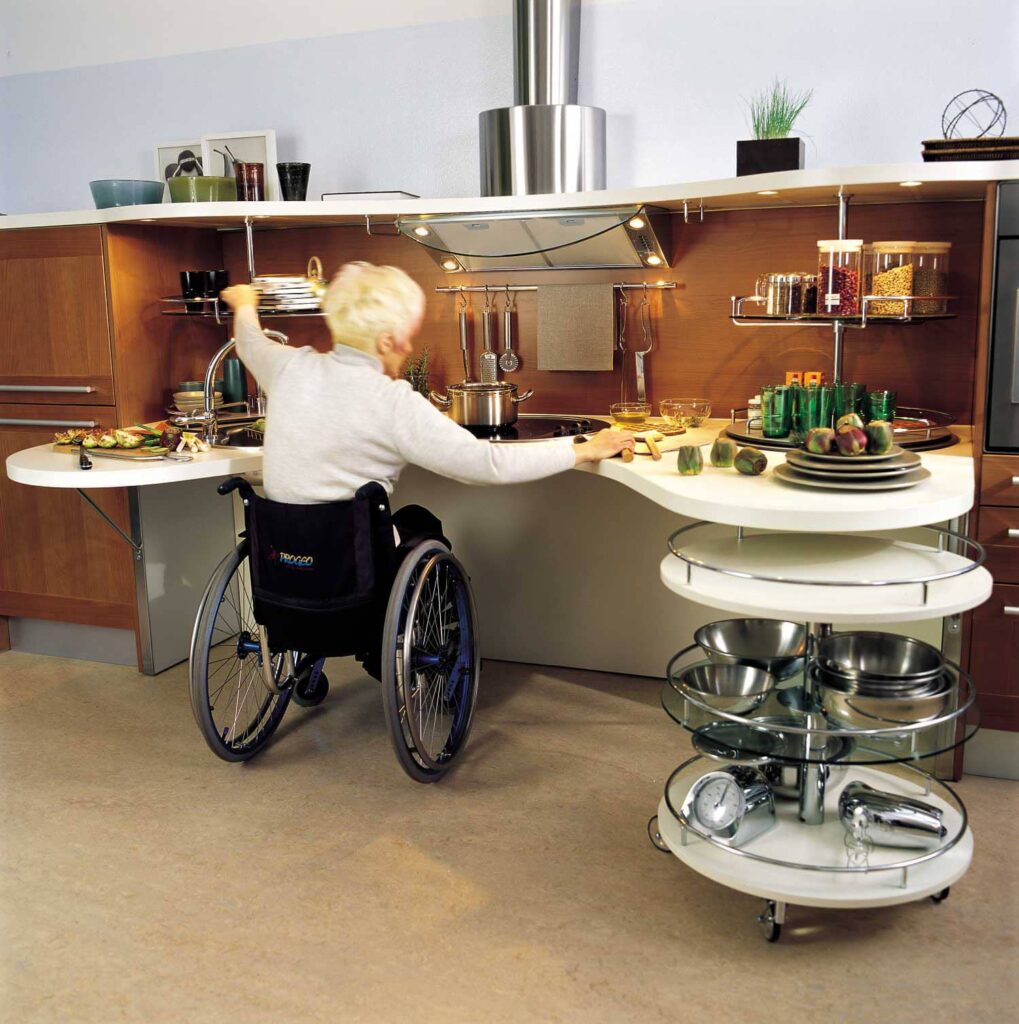
Thoughtful shelf design ensures storage remains accessible regardless of physical ability:
For Wheelchair Users
Position primary access shelves between 60-100 cm (24-39 inches) above the floor. Install pull-out shelves or lazy Susans to eliminate the need for deep reaching. Ensure at least 75 cm (30 inches) of clearance beneath wall-mounted shelving for wheelchair footrests.
For Aging Family Members
Concentrate frequently used items between 70-140 cm (28-55 inches) to minimize both high reaching and low bending. Add motion-sensor lighting under shelves to illuminate contents without straining to see. Install sturdy grab bars near elevated storage for balance support.
Maintain Your Ergonomic Investment
Ergonomic shelving requires ongoing attention to preserve its benefits:
Quarterly Structural Checks
Inspect shelves for signs of stress including visible bowing, loose hardware, or wall damage around anchor points. Tighten connections and reinforce supports before minor issues become safety hazards.
Seasonal Reorganization
Rotate seasonal items to appropriate zones—store holiday decorations higher during off-seasons while bringing current necessities to prime positions. This practice maintains ergonomic efficiency year-round without requiring physical rearrangement.
Key Takeaways for Pain-Free Storage
Mastering ergonomic shelf height transforms how you interact with your living space. Remember these critical principles:
- Keep everyday items between waist and shoulder height (70-140 cm/28-55 inches)
- Store heavy objects no higher than comfortable shoulder height
- Implement adjustable systems that accommodate changing household needs
- Prioritize usage frequency over category when organizing
- Conduct seasonal reorganization to maintain optimal placement
The small investment in proper shelf height planning pays enormous dividends in reduced physical strain, decreased injury risk, and enhanced daily comfort. By aligning your storage with how your body actually moves, you create a home environment that supports your health and wellbeing—one shelf at a time. Start measuring and adjusting today, and notice the difference within just one week of using your newly optimized storage system.