Nail technicians face unique physical challenges that can silently erode their careers if ignored. Spending 6-8 hours daily in fixed positions performing repetitive motions puts extraordinary strain on your body, with studies showing up to 75% of nail technicians experience work-related pain within their first five years. Understanding and implementing proper ergonomics for nail technicians isn’t optional—it’s essential for protecting your livelihood and long-term health. This comprehensive guide delivers actionable strategies you can implement immediately to reduce strain, prevent injury, and extend your career.
The good news? Most ergonomic issues are preventable with small, consistent adjustments to your workstation, posture, and work habits. Whether you’re a beginner setting up your first station or a seasoned professional experiencing discomfort, these evidence-based techniques will help you work smarter and stay pain-free for years to come.
Optimize Your Workstation Setup for Maximum Comfort
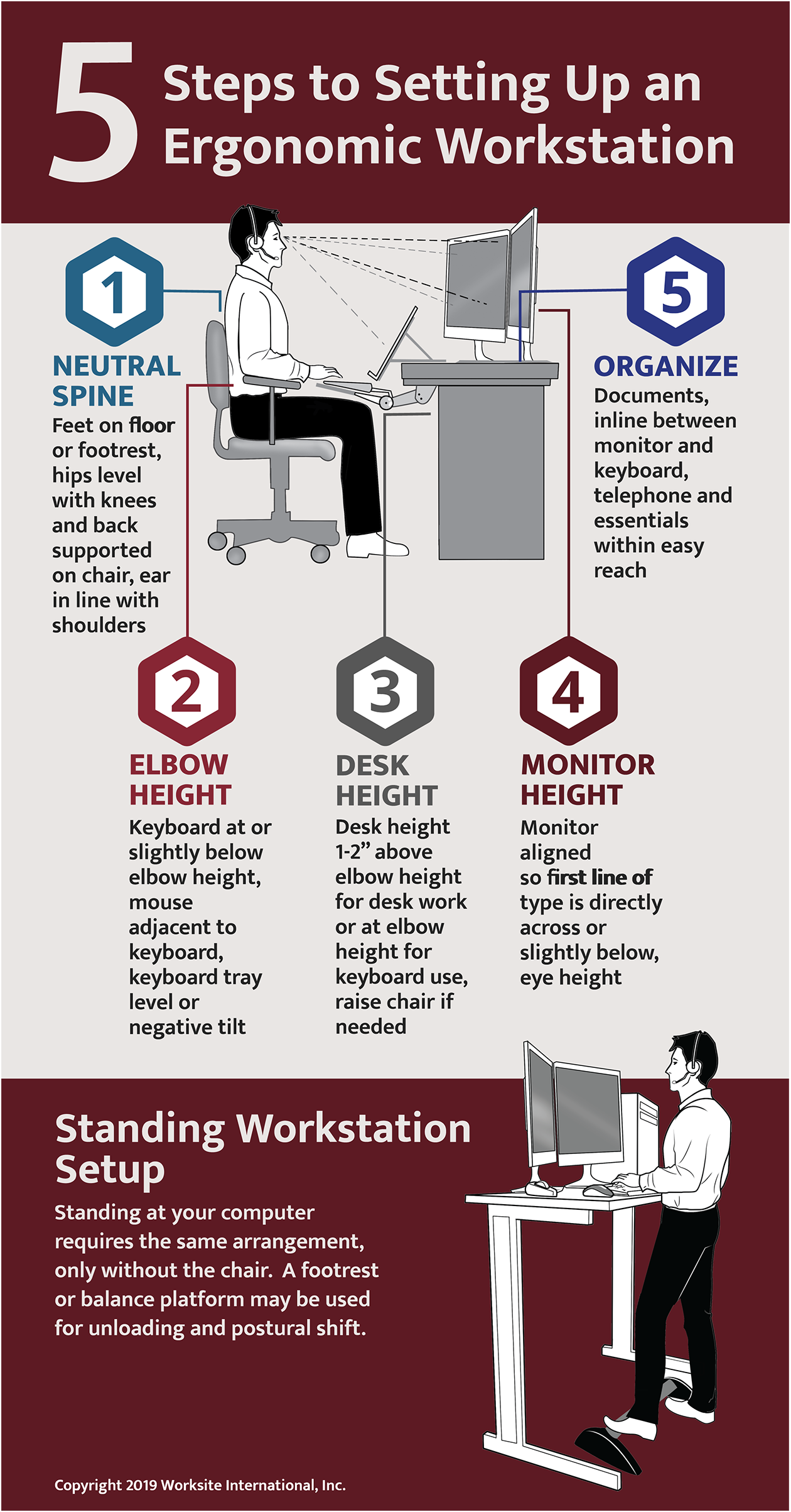
Your workstation setup forms the foundation of your ergonomic health. A properly configured space supports natural body alignment while reducing unnecessary strain on vulnerable joints and muscles throughout your workday.
Table height should position your forearms at exactly 90 degrees when resting on the surface—too high causes shoulder elevation while too low forces forward hunching. Test your current height by sitting with arms hanging naturally; your elbows should form a perfect right angle when resting on the table. Most technicians find their ideal height between 28-32 inches, but this varies based on your stature—measure from floor to elbow crease while seated for personalized accuracy.
Your chair selection requires serious consideration—never settle for basic seating. Invest in an ergonomic operator chair with:
– Adjustable height that positions your feet flat on the floor
– Contoured lumbar support that matches your spine’s natural curve
– Armrests that support your forearms without elevating shoulders
– Breathable mesh back for temperature regulation during long services
Lighting placement affects more than visibility—it determines your neck positioning throughout the day. Position adjustable LED task lamps to illuminate the nail plate without requiring you to lean forward or twist your neck. Clamp-style lamps offer precise directionality, while ring lights provide shadow-free illumination from multiple angles. Avoid overhead lighting that creates hand shadows, forcing you into uncomfortable positions to see clearly.
Maintain Proper Posture During Nail Services
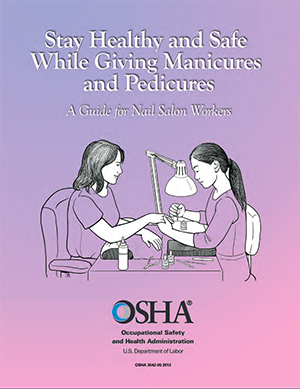
Developing posture awareness transforms how your body withstands daily work demands. Implement these specific positioning techniques during every service:
Keep your spine in neutral alignment by avoiding the forward head position that becomes habitual when focusing on detailed work. Instead of bending at the waist, adjust your chair height or ask clients to move their hands closer to you. Set a silent timer to check your posture every 15 minutes—many technicians find themselves gradually slouching without realizing it.
Wrist positioning requires special attention during filing and detailing work. Maintain a straight wrist alignment rather than bending excessively in any direction. When shaping nails, engage your entire arm rather than relying on wrist motion alone—this distributes effort across larger muscle groups. Think of your wrist as a stable bridge between your hand and arm, not the primary moving joint.
Elbow positioning creates a chain reaction throughout your upper body. Keep elbows close to your torso within a 6-inch radius of your hip bones. This creates your “power zone” where you can work with minimal strain. If you consistently reach beyond this zone, adjust either your chair height or the client’s hand position to bring work into this optimal range.
Prevent Common Musculoskeletal Disorders
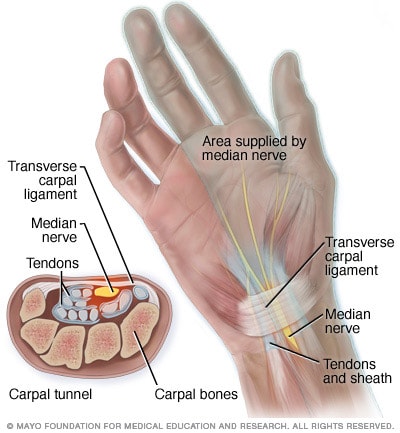
Nail technicians face elevated risks for specific work-related injuries. Recognizing early warning signs helps you intervene before minor discomfort becomes career-threatening pain.
Carpal tunnel syndrome develops from repetitive wrist motions that compress the median nerve. Early symptoms include:
– Nighttime tingling that wakes you up
– Morning finger stiffness that takes minutes to resolve
– Reduced grip strength when holding tools
– Occasional “shock-like” sensations in your hand
Back pain typically manifests in two patterns—lower back strain from prolonged sitting in poor posture, and upper back/neck pain from forward head positioning. Address minor discomfort immediately through workstation adjustments rather than pushing through pain that accumulates over time.
Shoulder problems often begin subtly with occasional clicking or discomfort when reaching overhead. The rotator cuff muscles that stabilize your shoulder joint fatigue from repetitive precision work, leading to inflammation and potential tears if ignored. Pay attention to any new shoulder sensations—early intervention prevents chronic issues.
Select Ergonomic Tools That Reduce Strain
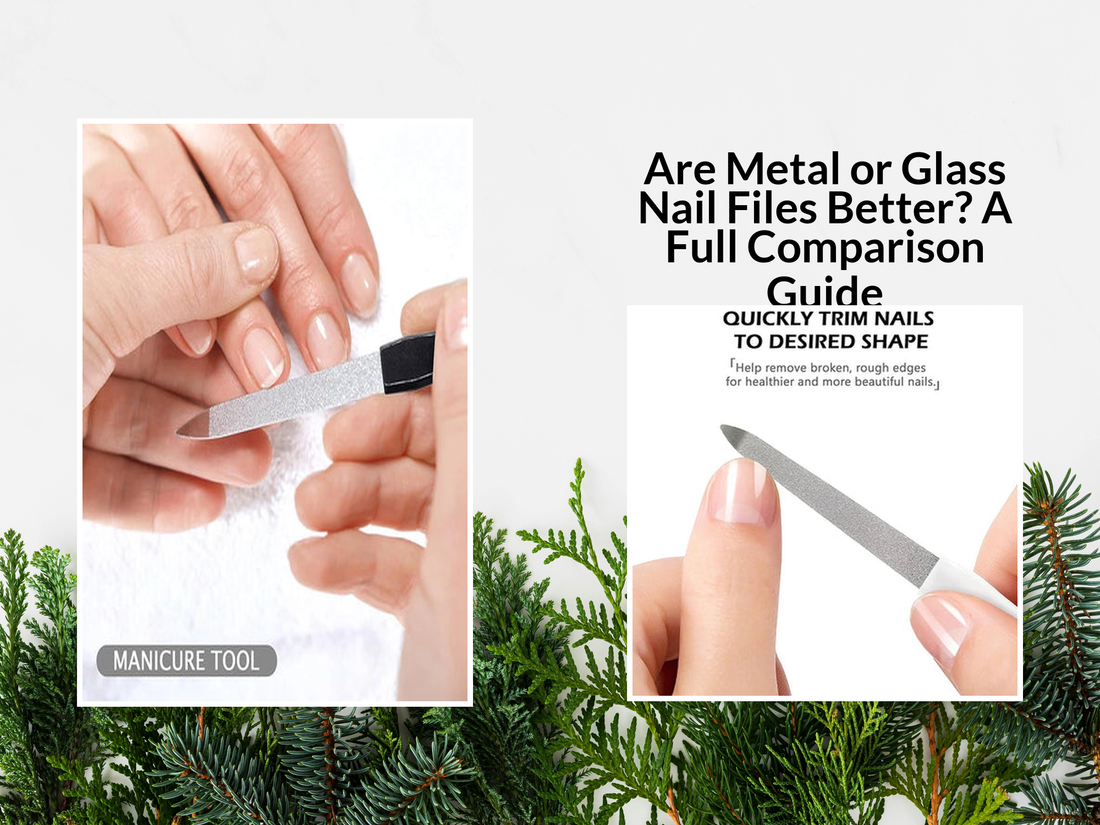
Your daily tools either support or undermine your body’s natural mechanics. Evaluate each implement through an ergonomic lens:
Nail files with ergonomic handles significantly reduce wrist strain. Look for:
– Lightweight construction (under 2 ounces)
– Contoured shapes that fill your palm
– Textured grips that prevent slippage
– Balanced weight distribution
Cuticle tools should require minimal grip force to maintain control. Test tools by holding them loosely—quality ergonomic designs stay securely in your hand without requiring a tight grasp. Replace worn tools promptly, as deteriorating grips force you to grip harder.
Equipment choices extend beyond hand tools. Opt for table-mounted dust extractors that keep particles away from your lungs while eliminating the strain of holding handheld units. Lightweight LED curing lamps with flexible positioning arms reduce the effort of frequent repositioning between clients.
Implement Strategic Break Schedules
Scheduled rest periods are non-negotiable for preventing cumulative strain injuries. Structure your day around these recovery intervals:
Follow the 50/10 rule: For every 50 minutes of client work, take 10 minutes of active recovery—not just switching tasks but actual rest where you change positions completely. Stand, walk, and perform stretching exercises during these breaks to reset your body.
Incorporate micro-breaks every 3-5 minutes during services: release your grip on tools, shake out your hands, and reset your posture. These 10-15 second pauses interrupt strain patterns before they accumulate.
Respect your lunch break as a critical recovery period. Step away from your workstation completely to eat and move your body. Working through lunch accelerates fatigue that compromises your afternoon work quality and increases injury risk.
Perform Essential Stretching Exercises
Targeted stretching counteracts the muscle shortening from repetitive nail work. Implement this 5-minute routine between clients:
Wrist and forearm stretches
1. Extend one arm forward, palm up
2. Gently pull fingers down with other hand—hold 15 seconds
3. Flip palm down and pull fingers back—hold 15 seconds
4. Repeat 2-3 times per arm
Shoulder and upper back stretches
– Clasp hands behind back and lift gently while squeezing shoulder blades together
– Bring one arm across body and press above elbow for shoulder stretch
– Hold each stretch 15-20 seconds, breathing deeply
Neck tension relief
– Slowly tilt ear toward shoulder (no bouncing)
– Add gentle rotation by looking down toward armpit
– Hold 15 seconds per side—never roll neck in circles
Position Clients for Mutual Comfort
Teach clients proper positioning techniques that benefit both of you:
Hand and arm support should keep work within your power zone. Provide padded armrests that position client’s hands 2-4 inches below their elbow height. This prevents the “floating hand” position that forces you to reach upward, straining your shoulders.
Adjust chair height to match your workstation rather than working around client positioning. Most technicians work most comfortably when client’s hands sit 1-2 inches below their natural elbow height when seated.
Explain positioning requests professionally: “To give you the best service while protecting my hands, I need your arm to rest here—this helps me see details clearly without straining.” Most clients appreciate this explanation and comply willingly.
Build Long-Term Sustainable Habits
Ergonomics for nail technicians requires ongoing attention. Implement these career-protecting practices:
Conduct monthly workstation audits—measure your table height, check chair adjustments, and evaluate tool condition. Small changes accumulate over time, so regular assessments catch drift before problems develop.
Cross-train with supportive activities outside work hours. Yoga builds body awareness and flexibility, swimming strengthens upper body without impact, and strength training develops supportive muscles that maintain proper posture during long workdays.
Listen to early warning signs—new discomfort is your body’s communication system. Address minor aches immediately through rest, stretching, and workstation adjustments rather than pushing through pain that becomes chronic.
Seek professional support proactively. Find a physical therapist familiar with nail technician ergonomics for periodic assessments—they can identify developing issues before they become painful and provide personalized exercises.
Your hands, back, and shoulders represent your most valuable professional assets. Implementing proper ergonomics for nail technicians protects these assets through strategic workstation setup, mindful posture, and intentional recovery practices. Start today by adjusting your chair height to achieve that perfect 90-degree elbow angle—this single change immediately reduces strain on your entire upper body. Commit to taking genuine breaks every hour, performing quick stretches between clients, and evaluating your tools for ergonomic improvements. These small daily actions compound into significant career protection, allowing you to continue doing what you love without pain. Remember: your future self will thank you for the ergonomic investments you make today.