That sharp twinge in your lower back after moving just one heavy box shouldn’t be considered normal workplace wear and tear—it’s your body signaling that your current approach to ergonomics proper lifting techniques needs immediate attention. Millions of workers suffer preventable back injuries each year simply because they never learned how to lift correctly, with healthcare, warehousing, and manufacturing employees facing particularly high risks. When you understand and apply scientifically-backed lifting principles, you dramatically reduce strain on spinal discs and supporting structures that can lead to chronic pain and career-limiting injuries. This guide delivers actionable strategies you can implement immediately to transform how you handle physical tasks, whether you’re moving patient equipment in a hospital, shifting inventory in a retail setting, or handling materials in any workplace where lifting is part of your daily routine.
The consequences of improper lifting extend far beyond temporary discomfort—each poorly executed lift contributes to cumulative damage that may not manifest as pain until months or years later. Workers who consistently apply proper ergonomic lifting techniques maintain greater mobility, experience fewer work restrictions, and enjoy longer, more productive careers without the constant worry of when their next back injury might strike. By investing just minutes to master these evidence-based methods, you’re not just preventing immediate injury but building a foundation for lifelong spinal health that pays dividends long after your workday ends.
Why Your Back Pays the Price for Poor Lifting Form
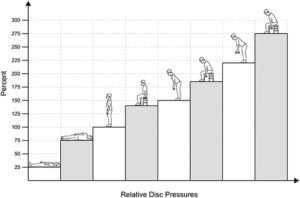
When you lift incorrectly, you transform your spine from a remarkably resilient structure into a vulnerable point of failure under load. Understanding exactly how these injuries develop helps you recognize why proper technique isn’t optional—it’s essential for your long-term physical wellbeing.
Spinal Stress Points During Improper Lifting
Bending forward while keeping your legs straight creates up to ten times more pressure on your lumbar discs than maintaining proper alignment during ergonomics proper lifting techniques. This dangerous position forces your spinal erector muscles to work against physics rather than with it, rapidly fatiguing these critical stabilizers. The combination of bending and twisting while holding weight multiplies injury risk exponentially, as rotational forces place uneven stress across intervertebral discs that weren’t designed to handle such asymmetric loading.
Pushing and pulling heavy objects often gets overlooked as a back injury risk, yet these actions frequently lead to the same cumulative damage as direct lifting when performed with poor form. The key insight? Any manual handling task becomes potentially hazardous when your body mechanics undermine your spine’s natural protective structures. Recognizing these specific danger zones allows you to adjust your approach before damage occurs.
Personal Factors That Increase Your Injury Vulnerability
Your individual physiology significantly impacts how your spine handles lifting demands. Age-related disc degeneration means older workers must be especially vigilant about proper technique, as their spinal structures have less resilience against improper loading. Pre-existing conditions affecting joints or connective tissues can dramatically reduce your safe lifting capacity, making thorough self-assessment before each task critical.
Poor posture during non-lifting activities weakens the core musculature that stabilizes your spine during lifting tasks, creating a hidden vulnerability that compromises even technically correct lifts. Body weight directly influences the mechanical load on your spine, with excess weight increasing strain on lower back structures during every lift. Surprisingly, smoking impairs blood flow to spinal tissues, slowing recovery from the micro-damage that occurs during demanding physical work—a factor many workers never consider when assessing their lifting safety.
Choose Equipment Over Ego Every Time You Lift
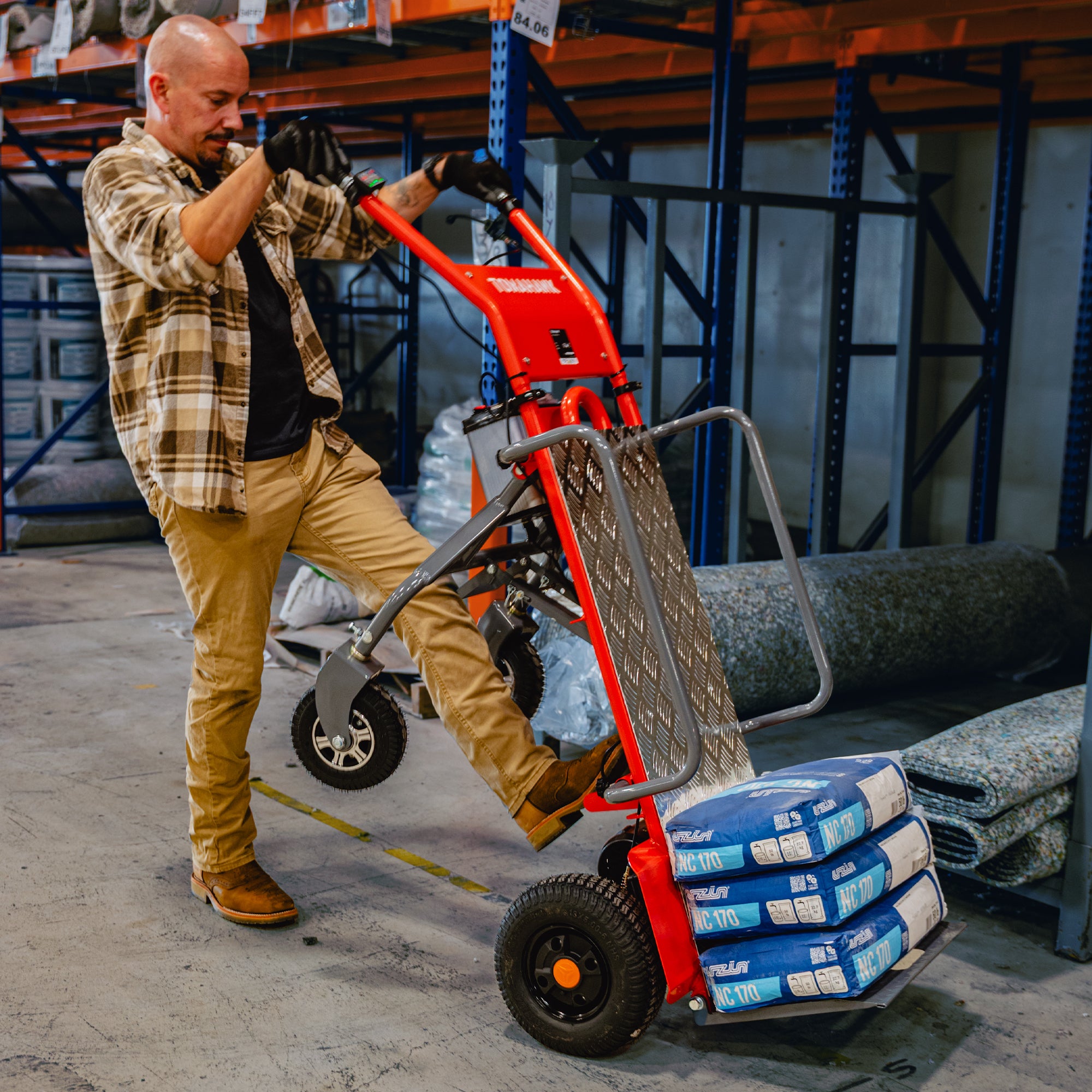
The smartest ergonomics proper lifting techniques often involve not lifting at all. Making the right equipment choice before you begin protects your back far more effectively than perfecting technique with dangerously heavy loads.
When to Reach for Mechanical Assistance
Stop asking “Can I lift this?” and start asking “Should I lift this?” Anything heavier than 50 pounds generally requires mechanical assistance for safe handling, while repetitive lifting of even 25-pound objects demands strategic planning. Carts transform carrying tasks into pushing motions that engage stronger muscle groups while eliminating the vertical lifting component that strains your spine. Hand trucks leverage physics to let you use body weight as counterbalance rather than relying on back strength alone—simply tilt the load back slightly and let gravity work for you.
Organizations committed to worker safety maintain readily accessible equipment stations with properly maintained tools. If retrieving a cart or dolly adds 30 seconds to your task but prevents a weeks-long injury recovery, that equipment choice represents extraordinary return on investment. The momentary inconvenience of using proper equipment pales against the potential consequences of a single back injury.
Perfect Your Lifting Stance in 10 Seconds
Proper foot positioning creates the stable foundation that makes all other ergonomics proper lifting techniques possible. This critical step takes mere seconds but determines whether your spine remains protected throughout the lift.
Foot Placement That Prevents Spinal Shear Forces
Position your feet shoulder-width apart with toes pointing toward your load—this simple alignment prevents the trunk rotation that causes devastating spinal shear forces. The “nose between your toes” rule provides an instant self-check: if you can’t see the load without turning your head while keeping feet forward, reposition rather than twist. This stance creates optimal mechanical advantage by aligning your center of gravity with the load’s center of mass.
Before bending, take a moment to visualize your entire lifting path. Check for obstacles, uneven surfaces, or doorways that might force awkward movements mid-lift. This pre-lift assessment takes seconds but prevents the rushed corrections that lead to injuries when you encounter unexpected challenges during the lift.
Execute Lifts Using Your Strongest Muscle Groups
The actual lifting motion follows biomechanical principles designed to protect your spine while efficiently moving the load. These ergonomics proper lifting techniques work with your body’s natural design rather than against it.
Bend at Knees, Not Waist: The Critical First Movement
Begin every lift by bending your knees while keeping your back straight—this knee-dominant descent positions your powerful quadriceps and glutes to handle the primary work. Maintain a forward gaze throughout the descent, which naturally preserves your spine’s natural curves. Your arms should hang straight down, ready to grasp the load from this mechanically advantageous position.
This proper bending technique reduces disc pressure by up to 80% compared to waist bending alone. Think of your legs as the engine driving the lift, with your back serving only as a stable transmission rather than the power source. This fundamental shift in movement pattern transforms how your body handles physical demands.
Power Up Using Leg Drive, Not Back Strain
As you begin rising, push through your heels to engage your strongest lower body muscles while maintaining a neutral spine position. Keep the load as close to your waist as possible—every inch farther from your body doubles the torque your back muscles must counteract. Hold heavy objects at waist height whenever possible, as raising or lowering loads while holding them away from your body dramatically increases spinal stress.
When setting down a load, reverse the process: bend your knees while keeping your back straight, letting your leg muscles control the descent. Many injuries occur during the lowering phase when workers rush the release or allow their back to round as fatigue sets in. Take your time—safety matters just as much during placement as during the initial lift.
Break These 3 Dangerous Lifting Habits Now
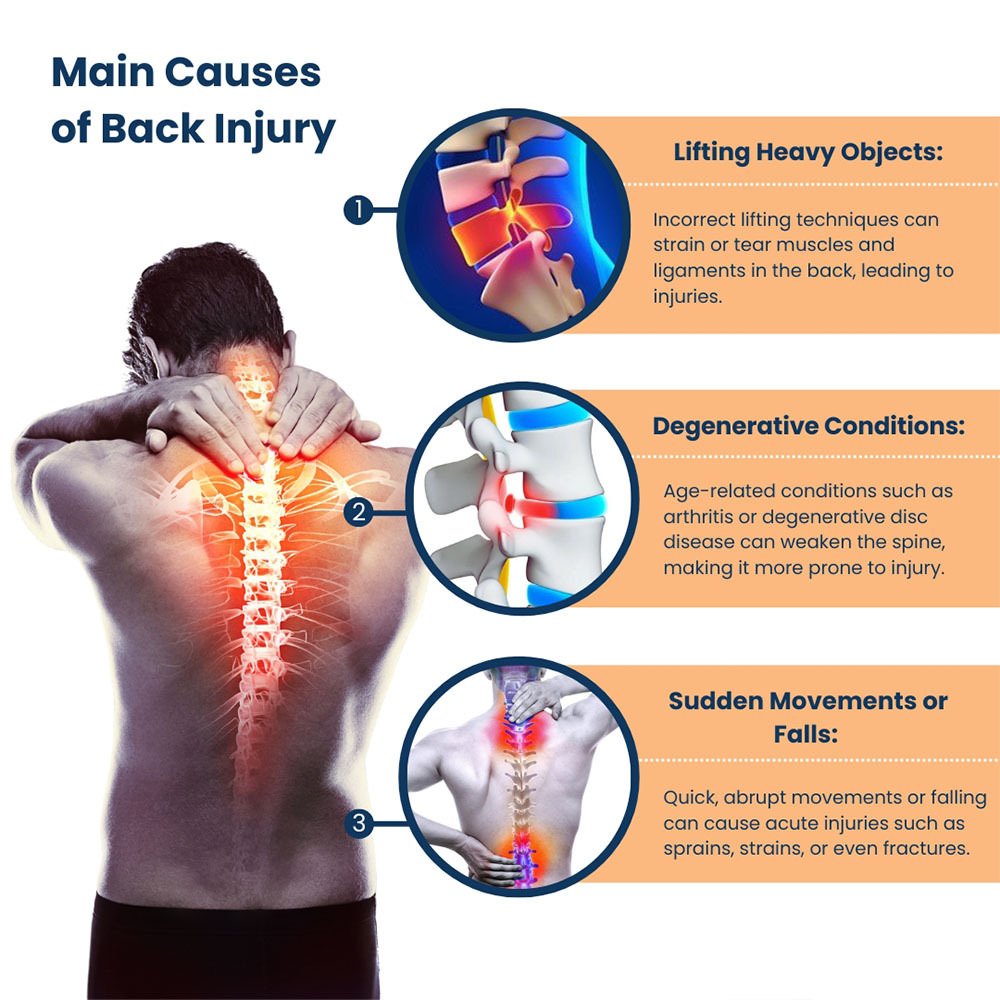
Even workers who understand proper technique often fall into patterns that undermine their safety. Recognizing and correcting these common mistakes protects your back from preventable damage.
Stop Twisting While Carrying Weight
Rotating your torso while holding a load creates extreme shear forces on spinal structures that can cause immediate injury or cumulative damage. Instead of twisting your upper body to change direction, pivot by moving your feet—take small steps to turn your entire body as a single unit. This foot-first movement may feel slower initially but becomes automatic with practice and preserves your spinal health for decades.
Eliminate Rushed Lifting Decisions
Time pressure leads to skipped safety steps, and those seconds saved by rushing technique often cost weeks of recovery time after an injury occurs. Build proper habits so deeply they become automatic—this ensures you maintain safe ergonomics proper lifting techniques even when busy or distracted. Remember: a few extra moments of careful preparation prevents injuries that can sideline you for months.
Listen to Your Body’s Warning Signals
Sharp pain, unusual fatigue, or that “something’s not right” feeling during lifting should trigger immediate action—stop, reassess, and adjust before continuing. Pain signals indicate actual tissue damage occurring; ignoring these warnings in the short term often leads to more serious injuries requiring longer recovery periods. Your body provides constant feedback about stress levels—smart workers learn to heed these signals before damage becomes irreversible.
Maintain Long-Term Back Health With Strategic Recovery
True ergonomics proper lifting techniques extend beyond individual lifts to encompass a comprehensive approach to spinal health that includes strategic recovery practices.
Schedule Breaks That Actually Restore Your Back
Workers performing repetitive lifting should take brief, frequent breaks specifically designed to interrupt cumulative stress on spinal structures. Every 20-30 minutes during intense lifting work, take 60-90 seconds to walk around and change positions completely—movement promotes blood flow and tissue recovery more effectively than stillness. These strategic pauses allow fatigued muscles to recover and prevent the continuous loading that leads to overuse injuries.
Incorporate Targeted Stretching Into Your Routine
Dedicate 5 minutes during breaks to stretch key muscle groups involved in lifting: hamstrings, hip flexors, glutes, and spinal extensors. Hold each gentle stretch for 20-30 seconds without bouncing—this maintains the flexibility needed for proper lifting form while reducing muscle tightness that alters movement patterns. The hip hinge stretch directly improves your ability to maintain proper lifting posture, while chest-and-shoulder stretches counteract the forward hunch that develops from many work activities.
Reduce Lifting Injury Risk Starting Right Now
Mastering ergonomics proper lifting techniques represents one of the most valuable investments you’ll ever make in your long-term physical wellbeing. By consistently applying these evidence-based methods—assessing each lift before beginning, positioning your feet correctly, using leg power rather than back strain, keeping loads close, and avoiding twisting—you build a foundation of safe practice that protects you throughout your career.
Your back health is too important to leave to chance. The few seconds required for proper lifting technique offer extraordinary protection against both immediate injuries and the cumulative damage that leads to chronic pain. Make ergonomics proper lifting techniques a permanent part of how you work, and your future self will thank you for the protection you’ve provided—every single time you move without pain.