Ergonomic injuries develop gradually, often sneaking up on workers until the pain becomes impossible to ignore. Repetitive strain injuries, musculoskeletal disorders, and chronic back pain affect millions of workers across industries from manufacturing to office administration, costing employers billions annually in workers’ compensation claims and lost productivity. The good news is that most ergonomic injuries are entirely preventable when you understand the risk factors and implement proper intervention strategies before damage occurs. This comprehensive guide walks you through everything you need to know about identifying ergonomic hazards, optimizing your workspace, developing healthy work habits, and building physical resilience to protect yourself from injuries that could sideline your career.
Whether you spend your workday at a computer terminal, on your feet in a retail environment, or performing physical labor in a warehouse, the principles of ergonomic injury prevention remain remarkably consistent. By learning to recognize warning signs early and taking proactive steps to address them, you can dramatically reduce your risk of developing chronic conditions that may require months of recovery or even permanent limitations. Understanding how to avoid ergonomic injuries isn’t just about comfort—it’s about protecting your long-term health and maintaining your ability to earn a living doing what you love.
Recognize Early Warning Signs of Workplace Strain
Your body sends clear signals when ergonomic stress is building toward injury, but many workers ignore these warnings until significant damage has already occurred. Learning to interpret these early warnings gives you the opportunity to make corrections before a minor ache becomes a serious condition requiring medical intervention.
Physical symptoms requiring immediate attention include persistent aching or stiffness in joints, muscles, or tendons that lasts more than a few hours after work ends. Numbness, tingling, or burning sensations—especially in the hands, wrists, arms, or lower back—indicate nerve compression or irritation that will worsen without intervention. Decreased grip strength, difficulty performing tasks you previously completed easily, and reduced range of motion all signal that ergonomic stress is accumulating beyond what your body can handle. Swelling, redness, or warmth in affected areas suggests active inflammation that requires immediate rest and workspace modification.
Work-related patterns that increase injury risk deserve equal attention. Needing to frequently change positions to find comfort, experiencing fatigue that seems disproportionate to your workload, and noticing that your posture deteriorates as the day progresses all indicate ergonomic mismatches between your body and your work environment. Workers who report these symptoms early and take action experience significantly better outcomes than those who push through pain until they can no longer perform their job duties.
Conduct a Personal Ergonomic Assessment
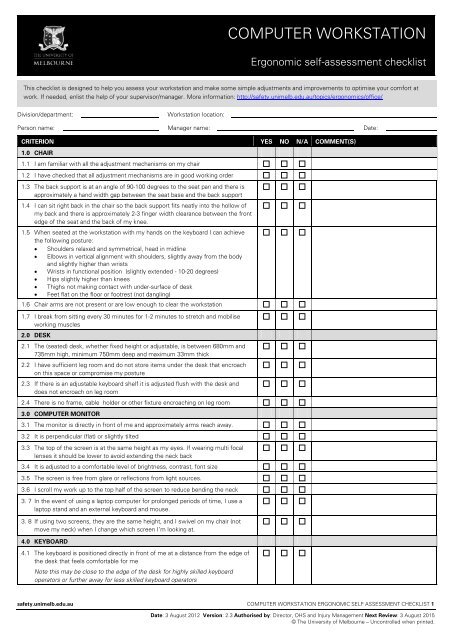
Before making changes to your workspace or work habits, you need a clear understanding of where ergonomic stresses are occurring in your daily routine. A systematic self-assessment helps identify specific factors contributing to your injury risk and guides targeted interventions.
Evaluate your primary work posture by having someone photograph or video you while you perform your normal work activities. View these images from multiple angles—side, front, and back—to identify postural tendencies you might not feel but that your body is experiencing. Look for forward head position, rounded shoulders, asymmetric weight distribution, and sustained positions that deviate from neutral alignment. Neutral posture—where joints are naturally aligned with minimal strain on muscles and tendons—should be your baseline for comparison.
Map out repetitive movements throughout your workday, noting the frequency, force, and duration of each type of motion. Tasks requiring rapid, forceful, or sustained repetitive movements carry higher injury risk, especially when combined with awkward postures or inadequate recovery time between movements. Identify which tasks cause the most physical strain and prioritize interventions for these high-risk activities first.
Optimize Your Workspace Configuration
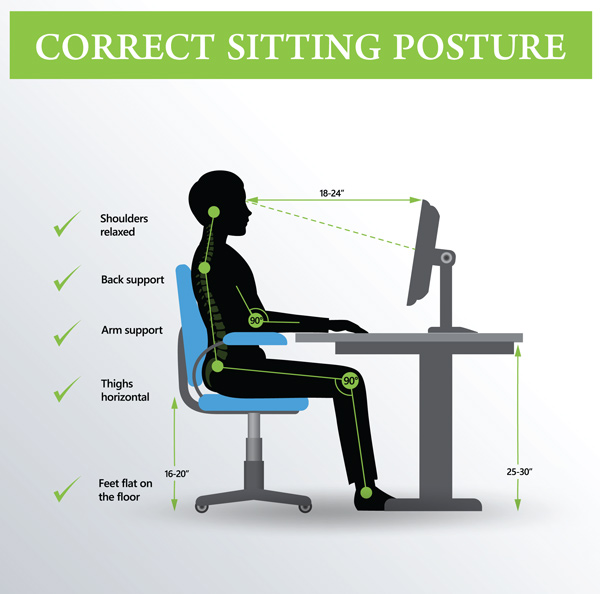
Your physical environment shapes how your body moves and positions itself throughout the workday. Proper workspace configuration aligns your body with your work tasks, reducing strain on muscles, joints, and connective tissues while maintaining efficiency and comfort.
Desk and workstation setup forms the foundation of ergonomic workspace design. Your work surface should allow your elbows to rest at approximately 90 degrees when performing primary tasks, with forearms parallel to the floor and wrists in a neutral, relaxed position. Monitor height and distance matter tremendously—screens should be positioned directly in front of you at arm’s length, with the top of the screen at or slightly below eye level to prevent neck strain from looking up or forward. Document holders positioned adjacent to your monitor prevent the repetitive neck turning that causes cervical strain over time.
Chair adjustment proves critical for anyone who sits during work. Your chair should support the natural curve of your lumbar spine, with seat height allowing feet to rest flat on the floor or a footrest. Armrests, when used, should support forearms without elevating shoulders or causing elbow compression. The seat pan should be deep enough to support your thighs without pressing against the back of your knees. Workers who spend significant time seated often underestimate how dramatically proper chair adjustment affects their overall ergonomic health.
Implement Movement and Recovery Strategies
Staying in any single position for extended periods—even an ergonomically correct one—eventually causes problems. Your body is designed for movement, and regular position changes, recovery breaks, and strategic stretching keep tissues healthy and resilient against injury.
Micro-breaks every 30 to 60 minutes interrupt the accumulation of physical stress before it reaches injury thresholds. These brief pauses—taking just 30 to 60 seconds to stand, stretch, or change position—allow tissues to recover from sustained loading and prevent the stiffness that leads to poor movement patterns. Setting reminders on your phone or computer, using break-tracking software, or associating breaks with routine activities like checking email or refilling water bottles helps establish sustainable habits.
Active recovery movements differ from passive rest because they promote blood flow and tissue recovery while maintaining mobility. During brief work breaks, perform gentle stretches targeting the muscles and joints most stressed by your work. For desk workers, this includes chest-opening stretches to counteract forward shoulder posture, hip flexor stretches to counter prolonged sitting, and wrist flexor stretches to prevent carpal tunnel syndrome. Hold each stretch for 15 to 30 seconds without bouncing, breathing deeply and relaxing into the position.
Strengthen Vulnerable Muscle Groups
Physical conditioning directly affects your susceptibility to ergonomic injuries. Strong, flexible muscles and joints tolerate physical demands more effectively than deconditioned tissues, recovering faster from stress and maintaining proper movement patterns throughout the workday.
Core stability training provides the foundation for safe movement in virtually every work task. Your core muscles—spanning your abdomen, lower back, hips, and pelvis—stabilize your spine and transfer force between your upper and lower body. Weak core muscles force other structures to compensate, leading to increased injury risk throughout the body. Targeted exercises like planks, bird-dogs, and dead bugs build endurance in these stabilizing muscles without requiring gym equipment or significant time investment.
Targeted strengthening for desk workers should focus on the muscles most weakened by prolonged sitting and computer work. Between the shoulder blades, upper back, and rear shoulder muscles often become lengthened and weak, allowing shoulders to roll forward and increasing neck and shoulder strain. Exercises like band pull-aparts, YTW raises, and face pulls strengthen these postural muscles, improving your ability to maintain proper positioning throughout the workday.
Use Proper Lifting and Material Handling Techniques
Manual lifting and material handling remain common sources of ergonomic injuries, even in increasingly automated work environments. Proper technique dramatically reduces the stress on your spine and joints during lifting tasks, preventing the acute injuries and cumulative damage that result from improper lifting.
Plan every lift before attempting it to avoid the rushed, compromised movements that cause injuries. Assess the load’s weight, shape, and contents, determining whether you can handle it safely or need assistance or equipment. Clear your path of obstacles and identify where you’ll place the load before lifting. If the load is awkward, heavy, or unstable, use material handling equipment, divide the load, or request help rather than risking injury.
Proper lifting mechanics keep your spine protected by maintaining its natural curves and engaging your powerful leg and core muscles. Position your feet shoulder-width apart, with one foot slightly ahead of the other for stability. Bend at your hips and knees, keeping your back straight, and lower yourself toward the load rather than bending forward from your waist. Grip the load firmly with your whole hand, not just your fingers, and keep the load close to your body as you lift. Drive the lift by straightening your legs, avoiding jerking motions that suddenly load your spine.
Build Sustainable Work Habits
Technical knowledge about ergonomics means nothing without consistent implementation. Building sustainable habits that support ergonomic health requires understanding the psychology of behavior change and designing your environment and routines to make healthy choices automatic.
Start with single changes rather than attempting to overhaul your entire work routine simultaneously. Research consistently shows that attempting multiple behavior changes at once dramatically reduces success rates for any individual change. Choose one ergonomic intervention—perhaps taking micro-breaks every hour or adjusting your chair position—and practice it until it becomes automatic before adding another change.
Associate new habits with existing routines to leverage the power of habit stacking. Pair your ergonomic habit with an existing behavior you perform automatically, such as checking your posture every time you receive an email or stretching every time you return to your desk after a bathroom break. This association helps establish the new behavior more quickly and makes it more resistant to disruption when your schedule changes.
Seek Professional Resources and Support
While self-assessment and self-intervention address many ergonomic concerns, some situations require professional expertise. Knowing when and how to seek additional support prevents small problems from becoming serious injuries and ensures you have access to the resources necessary for comprehensive ergonomic health.
Ergonomic assessments by qualified professionals provide expert analysis of your specific work situation and personalized recommendations for improvement. Many employers offer ergonomic assessment services through occupational health departments, workers’ compensation programs, or safety committees. If your employer doesn’t provide this service directly, professional ergonomic consultants are available in most areas, often through workers’ compensation managed care organizations or private practice.
Medical evaluation becomes necessary when symptoms persist despite workplace modifications or when pain, numbness, or weakness significantly affects your function. Early intervention by healthcare providers—physicians, physical therapists, or occupational health specialists—leads to better outcomes than waiting until symptoms become severe. Many work-related musculoskeletal conditions are treatable, but treatment success decreases the longer the underlying ergonomic stressors continue.
Maintain Long-Term Ergonomic Health
Ergonomic injury prevention is not a one-time project but an ongoing practice requiring regular attention and adjustment. Building systems that support long-term ergonomic health ensures that your initial investments in workspace optimization and healthy habits continue paying dividends throughout your career.
Regular reassessment accounts for the changes that naturally occur in your body, your job, and your work environment over time. What was ergonomic two years ago may no longer be appropriate as you age, as your job duties evolve, or as you replace equipment. Schedule periodic ergonomic check-ins—annually or whenever you notice new symptoms—to ensure your setup and practices remain appropriate for your current situation.
Prioritize overall health because ergonomic health exists within the broader context of your total physical and mental wellbeing. Adequate sleep, regular general exercise, stress management, and healthy nutrition all support your body’s ability to recover from daily physical demands and maintain resilience against injury. Workers in excellent overall physical condition recover from ergonomic stress more quickly and tolerate greater demands without injury than those whose overall health is compromised.
Understanding how to avoid ergonomic injuries requires consistent attention to your body’s signals, workspace setup, movement patterns, and physical conditioning. By implementing these strategies systematically and making ergonomic health a priority in your daily work routine, you’ll protect yourself from the chronic pain and lost productivity that affect so many workers. Remember that small, consistent changes yield the most sustainable results—start today with one adjustment, and build from there to create a work environment that supports your long-term health and career success.