Musculoskeletal disorders account for nearly 30% of all workplace injuries requiring time off work, costing organizations billions annually in lost productivity, medical expenses, and workers’ compensation claims. These preventable injuries stem directly from poor ergonomic practices that ignore the fundamental importance of ergonomics in the workplace. When job demands don’t align with workers’ physical capabilities, the consequences include chronic pain, career-limiting injuries, and significant operational disruptions. This guide reveals the science-backed strategies that reduce injury rates while simultaneously improving efficiency—proving that ergonomic excellence isn’t just about worker comfort but represents a critical business imperative with measurable financial returns.
Every day, employees across industries suffer from repetitive strain injuries, back pain, and joint disorders that could have been prevented with proper ergonomic implementation. The staggering economic impact—estimated at $20 billion annually in the U.S. alone—makes workplace ergonomics one of the most significant yet overlooked operational challenges facing organizations today. By understanding and applying the principles outlined in this guide, you’ll discover how to transform your work environment into one that protects your most valuable asset—your people—while driving tangible improvements in productivity, quality, and job satisfaction.
Why Awkward Postures and Repetitive Motions Cause 70% of Workplace Injuries
Jobs requiring repetitive upper extremity movements, frequent heavy lifting, or prolonged uncomfortable positioning create the perfect storm for musculoskeletal injuries. These physical risk factors compound when workers perform lifting while twisting, stand for extended periods without breaks, or maintain static postures that increase lactic acid buildup in muscles. The cumulative effect of these movements—when performed without proper ergonomic safeguards—directly correlates with injury likelihood, making early intervention critical before minor discomfort progresses to career-limiting conditions.
How Psychosocial Stressors Double Your Injury Risk
Job stress and lack of autonomy significantly amplify physical ergonomic risks, creating a dangerous synergy that doubles your likelihood of developing work-related musculoskeletal disorders. When workers experience high stress without control over their tasks, their bodies enter a heightened state of tension that accelerates tissue damage during physical work. Fear of movement following initial injuries creates another critical barrier—you might avoid proper body mechanics due to anxiety, placing yourself at even higher risk for recurrent injuries that could end your career prematurely.
Recognizing Early Warning Signs Before Damage Becomes Permanent
Don’t ignore these critical warning signs that indicate serious ergonomic problems:
– Persistent stiffness or swelling after work
– Numbness or tingling in hands or feet
– Difficulty performing routine tasks at home
– Visible postural imbalances developing over time
These symptoms often precede diagnosed conditions like Carpal Tunnel Syndrome, shoulder impingement, or spinal radiculopathy. Catching them early allows for simple interventions that prevent permanent damage—waiting until pain becomes severe typically requires months of recovery time and may never fully resolve.
Healthcare Workers Face Highest Ergonomic Injury Rates—Here’s Why
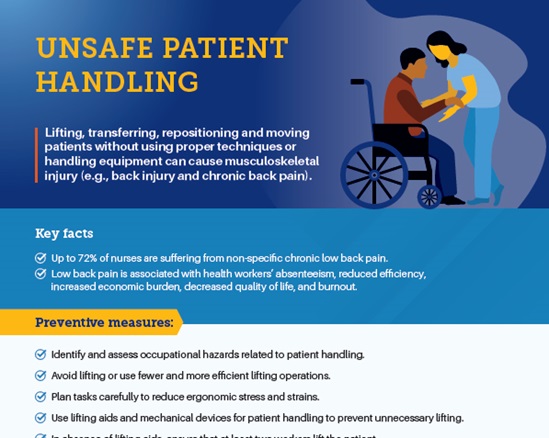
Nurses experience the highest prevalence of work-related musculoskeletal disorders among all professionals, with operating room nurses facing even greater risks due to the unique demands of surgical environments. These workers confront dual challenges: the same awkward postures and repetitive motions as surgeons combined with physically demanding patient transfers involving individuals whose weight often exceeds safe lifting limits. The added psychosocial pressure of time constraints and staffing shortages creates an injury perfect storm that affects nearly 80% of nursing professionals during their careers.
How Laparoscopic Surgery Creates Unique Ergonomic Challenges for Surgeons
Surgeons performing laparoscopic procedures face ergonomic hazards that many don’t anticipate—limited viewing angles combined with prolonged static postures increase lactic acid buildup in shoulder and neck muscles. Unlike open surgery where surgeons can adjust positioning, laparoscopic techniques often require maintaining fixed, awkward postures for hours, significantly increasing risk of repetitive strain injuries. Proper monitor placement, optimal trocar positioning, and scheduled micro-breaks represent critical interventions that reduce these specialized risks by up to 40%.
Why Female Workers Experience 30% More Ergonomic Injuries Than Men

Female workers face significantly higher injury rates due to fundamental mismatches between workplace design and their physical characteristics. Most equipment and workstations have been historically designed for male anthropometrics, creating inherent hazards for smaller-statured workers who must overreach, overexert, or contort their bodies to perform tasks safely. This gender-based ergonomic gap explains why women report 30% more musculoskeletal injuries despite often having equivalent job responsibilities—a preventable disparity that impacts retention and career longevity in physically demanding fields.
Pro Tip: Organizations that implement gender-specific workstation adjustments see 25% fewer injuries among female staff. Simple modifications like adjustable-height work surfaces, smaller hand tools, and properly positioned controls create immediate safety improvements without significant investment.
The Critical Equipment Missing from 80% of High-Risk Workplaces
Overexposure to heavy lifting tasks remains the single biggest contributor to workplace musculoskeletal injuries, yet most organizations lack proper equipment to reduce physical strain on employees. Inadequate patient handling devices, insufficient personnel for safe transfers, and productivity pressures that prioritize speed over safety create dangerous conditions that directly violate ergonomic best practices. Investing in proper equipment isn’t an expense—it’s a strategic investment that pays back through reduced injury costs and improved worker retention.
Nurse-Specific Solutions: From Anti-Fatigue Mats to Proper Transfer Techniques
Nurses can dramatically reduce injury risk through these evidence-based equipment solutions:
– Anti-fatigue mats that reduce lower extremity swelling during prolonged standing
– Properly fitted gait belts that distribute transfer forces safely
– Air-assisted transfer mattresses that cut physical exertion by 75%
– Height-adjustable beds that eliminate hazardous bending during patient care
Before any transfer, always verify these five critical safety points: locked brakes on all equipment, proper bed height adjustment, non-slip footwear on patients, correct positioning of receiving surfaces, and clear instructions for patient participation. Skipping even one step significantly increases your injury risk.
How Interprofessional Teams Reduce Injuries by 45% Through Ergonomic Collaboration
Safe Patient Handling and Mobilization Programs deliver the most significant injury reductions when implemented through true interdisciplinary collaboration—not top-down mandates. These evidence-based programs require input from clinicians, administrators, safety officers, and workers themselves to address the full spectrum of physical, psychosocial, and organizational factors that contribute to injuries. When teams co-create solutions, compliance rates exceed 85% compared to the 40% compliance typical of administrator-only programs.
Urgent Warning: Staffing shortages directly undermine ergonomic safety. Level 3 studies confirm that proper staffing levels are non-negotiable for preventing the fatigue and burnout that lead to 60% of workplace injuries. Never attempt high-risk transfers alone—insist on team assistance even when productivity pressures mount.
5 Proven Strategies That Cut Workplace Musculoskeletal Disorders in Half
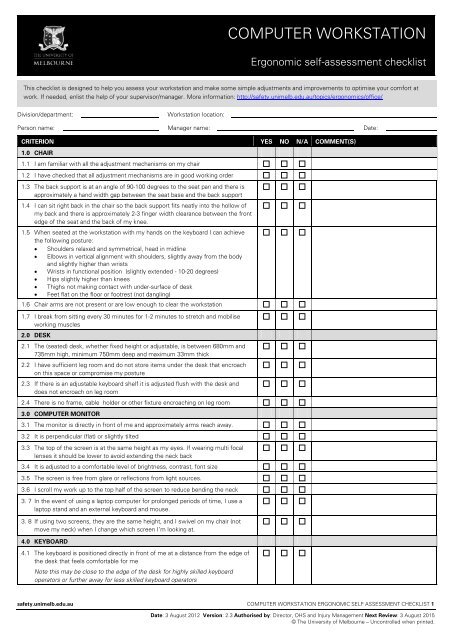
Implementing these five evidence-based strategies creates the most significant reductions in workplace injuries:
- Workplace strengthening programs targeting job-specific muscle groups reduce injury risk by 35% for physically demanding roles
- Hands-on ergonomic training with immediate application beats classroom-only instruction by 200% in retention
- Real-time task matching that assigns work based on individual physical capabilities prevents dangerous mismatches
- Peer support systems where workers assist each other during high-risk tasks create immediate safety improvements
- Proactive workstation assessments conducted quarterly catch emerging risks before they cause injuries
Why Strength Training Programs Prevent More Injuries Than Equipment Alone
Physical therapy-based strengthening programs deliver superior injury prevention compared to equipment investments alone because they address the worker’s physical capacity—the missing link in most ergonomic programs. When workers build strength specifically in the muscle groups used for their job tasks, they develop resilience against the cumulative trauma that causes most musculoskeletal disorders. Organizations implementing these programs see 30% fewer injuries within six months, with the greatest benefits for workers performing repetitive lifting or fine motor tasks.
The Fatal Mistake 90% of Companies Make With Ergonomic Training Programs
Most organizations fail by treating ergonomic training as a one-time event rather than an ongoing process. Research shows that workers retain less than 20% of theoretical ergonomic knowledge without hands-on practice and regular reinforcement. The most effective programs incorporate “just-in-time” coaching where supervisors provide immediate feedback during actual work tasks, combined with quarterly refreshers that address emerging risks. Companies that implement this continuous learning model see 45% fewer injuries than those relying on annual classroom training alone.
Pro Tip: Measure training effectiveness by observing actual work behaviors—not test scores. If workers aren’t applying ergonomic principles on the job, your training program is failing regardless of classroom performance metrics.
Why Ergonomic ROI Exceeds 300% for Companies That Implement Proper Programs
The financial case for ergonomic investment has never been stronger—organizations implementing comprehensive programs see returns exceeding 300% through reduced injury costs, lower turnover, and increased productivity. For every dollar invested in proper ergonomics, companies save $3-$6 in direct and indirect costs related to musculoskeletal disorders. Beyond the financial benefits, workplaces with strong ergonomic cultures report 25% higher employee satisfaction and 20% better retention rates—critical advantages in today’s competitive labor market.
The importance of ergonomics in the workplace extends far beyond injury prevention—it represents a strategic advantage that protects your workforce while optimizing operational performance. By implementing the evidence-based strategies outlined in this guide, you’ll create a work environment where human capabilities align seamlessly with job demands, delivering measurable improvements in safety, productivity, and employee well-being. Start with one high-impact change today—your workers’ health and your bottom line depend on it.