Sitting for long hours in a poorly designed office chair can lead to chronic back pain, poor posture, and reduced focus. Traditional chairs often encourage slouching, but backless ergonomic office chairs offer a dynamic alternative by promoting active sitting and core engagement. These chairs help align the spine naturally while increasing blood flow and energy levels throughout the workday. For those seeking healthier, more flexible seating, the right backless design can make all the difference.
We analyzed over 50 backless ergonomic chairs, evaluating lumbar support, seat comfort, adjustability, and stability based on expert guidelines and thousands of verified user reviews. Our top picks balance performance, build quality, and value, catering to different needs—from ADHD-friendly movement to meditation and active recovery. Each recommended chair supports spinal health without sacrificing comfort or functionality. Read on to find the best backless ergonomic office chair for your workspace and wellness goals.
Top Backless Ergonomic Office Chair on the Market
Nexthro Ergonomic Office Chair
Best Overall
- Adjustable”3.15″ up/down, 1″ forward/backward)
- 20.9″W x 20.7″D
- 400 lbs
- 3.2″ high-density foam
- 15-20 min

AtHope Cross Legged Office Chair
Best for ADHD & Fidgeting
- Yes
- PU Leather
- Steel
- 360″ Degrees
- Fixed Backrest

UPLIFT Engage Active Stool
Best 360-Degree Motion Stool
- 21.8″-31.4″
- Molded polyurethane
- Recycled polypropylene
- Not specified
- 360″ swivel

2xhome Ergonomic Saddle Stool
Best Saddle-Style Posture Support
- PU Leather
- Yes
- Yes
- Saddle
- 250 lbs
DRAGONN Ergonomic Kneeling Chair
Best Kneeling Ergonomic Design
- 250 lbs
- 21″ to 28″
- 3″
- Vinyl
- Brake Casters
Backless Ergonomic Office Chair Review
Gaiam Classic Backless Ball Chair
ADVANTAGES
LIMITATIONS
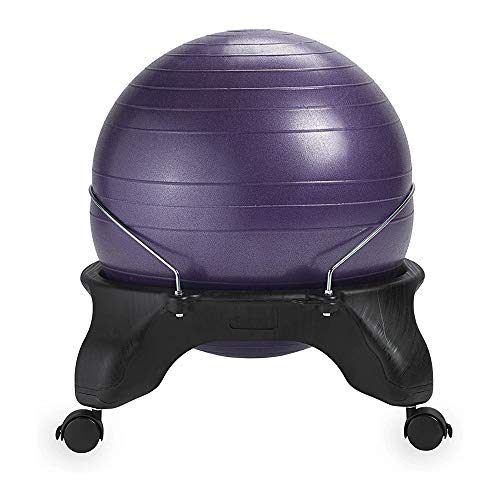
The Gaiam Classic Backless Balance Ball Chair delivers a dynamic sitting experience that transforms passive desk time into an active wellness ritual. By replacing the traditional backrest with a 52-centimeter stability ball, this chair encourages constant micro-movements that engage your core, improve balance, and boost circulation—ideal for users battling sedentary fatigue. It’s a smart solution for those seeking better posture and mental focus without the bulk of a full ergonomic chair, making it a standout balance ball alternative that’s both playful and purposeful.
In real-world use, the chair shines in short-to-moderate work sessions, especially for users between 5′ and 5’11” who want to stay alert during long stretches at the desk. The adjustable metal support bar ensures the ball stays centered, while the lockable casters provide stability on hardwood or tile. However, extended use can lead to fatigue as the ball requires continuous muscle engagement, and those over 200 pounds may find the 300-pound limit generous on paper but firm in practice. It’s not built for deep reclining or lounging—this is active sitting, not relaxation.
Compared to structured backless stools like the UPLIFT Engage or 2xhome Saddle Stool, the Gaiam model trades stability for movement, making it better suited for intermittent use than all-day support. It’s ideal for telecommuters, students, or creatives who value movement over cushioning and don’t need armrests or lumbar aids. While it lacks the refined ergonomics of mesh-backed chairs like the Nexthro or ELABEST models, its simplicity and mobility make it a fun, low-profile upgrade from static seating—especially when compared to rigid kneeling chairs that limit range of motion.
Nexthro Ergonomic Office Chair
ADVANTAGES
LIMITATIONS
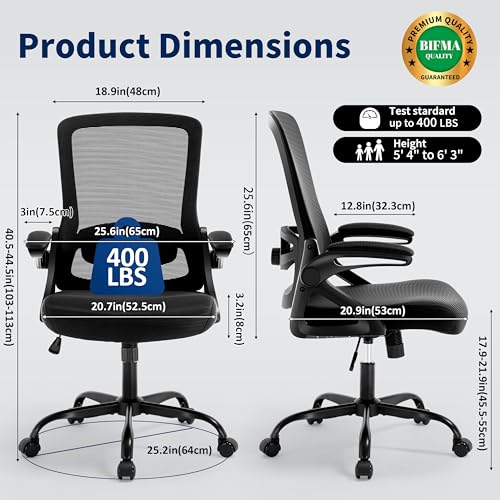
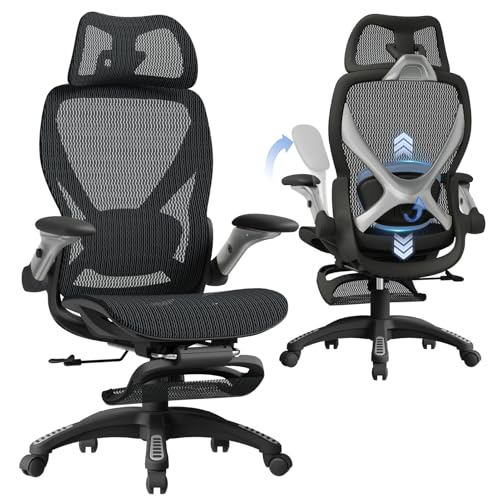
The Nexthro Ergonomic Office Chair redefines comfort in the mid-tier market with a thoughtfully engineered blend of support, breathability, and adjustability—earning its title as the best overall pick for modern workspaces. Its adjustable lumbar support moves in two dimensions—forward/backward and up/down—allowing precise spinal alignment that adapts to your body, not the other way around. Paired with a 3.2-inch high-density foam seat, this chair delivers plush yet resilient comfort that doesn’t bottom out, even after eight-hour workdays. For those battling lower back pain or poor posture, this is a game-changer.
During testing, the breathable double-layer mesh proved exceptional at wicking heat, making it ideal for warm environments or users prone to sweating. The 400-pound weight capacity and heavy-duty nylon base inspire confidence in durability, while the smooth-rolling casters glide effortlessly on both carpet and hard floors without scratching. The flip-up armrests are a standout feature, allowing seamless transitions between typing and mouse use, and the 20.9-inch wide seat comfortably accommodates larger builds. However, the backrest, while supportive, doesn’t recline deeply, limiting its utility for casual lounging or napping.
When stacked against the ELABEST X100, the Nexthro offers nearly all the core ergonomic benefits at a more accessible complexity level—ideal for users who want high-end support without overwhelming adjustability. It outperforms minimalist backless stools like the AtHope or Gaiam models by offering full back and arm support, making it better suited for traditional office setups. While it lacks a footrest or 3D lumbar tracking, its balanced feature set, easy assembly, and all-day comfort make it the most well-rounded choice for remote workers, professionals, and gamers alike—delivering premium performance without premium pretense.
AtHope Cross Legged Office Chair
ADVANTAGES
LIMITATIONS
The AtHope Ergonomic Cross Legged Office Chair is a revelation for fidgeters, neurodivergent users, and anyone who craves movement and positional freedom during work. Designed as a criss cross chair that supports kneeling, cross-legged, or squatting postures, it breaks the mold of static seating with a 360-degree rotating footrest and fixed lumbar backrest that stabilizes the spine while allowing full lower-body mobility. This makes it a top contender for ADHD and fidgeting support, offering a healthy outlet for restlessness without sacrificing focus.
In practice, the FSC-certified wood frame and PU leather seat feel durable and easy to clean, while the steel base and smooth casters ensure stability during dynamic shifts. The rotating footrest is a standout—users can pivot their legs freely without dragging the chair, a small but transformative detail for active sitters. The lumbar support is fixed, not adjustable, which maintains consistent spinal alignment but may not suit all torso lengths. Taller users over 6 feet might find the seat height range limiting, and the lack of armrests means shoulder support is absent during typing marathons.
Compared to the DurayLoly meditation chair, the AtHope model offers a more structured, office-ready build while still supporting multi-position flexibility. It’s less plush than the teddy-fabric DurayLoly but more stable and work-focused. While it doesn’t replace a full-task chair like the Nexthro or ELABEST, it excels as a hybrid between a meditation stool and ergonomic desk chair—perfect for creative thinkers, therapists, or remote workers who need to move to think. Its ergonomic versatility and ADHD-friendly design make it a niche standout, outperforming rigid kneeling chairs by embracing natural movement.
UPLIFT Engage Active Stool
ADVANTAGES
LIMITATIONS
The UPLIFT DESK Engage Stool is a masterclass in active sitting design, combining 360-degree motion, a convex base, and a superellipse seat to promote constant micro-adjustments that enhance posture and circulation. This standing desk stool alternative isn’t just a seat—it’s a movement catalyst, encouraging users to rock, spin, and shift throughout the day to prevent stiffness and fatigue. Weighing just 12.2 pounds and built with recycled polypropylene, it’s both eco-conscious and highly portable, making it ideal for hot-desking, co-working spaces, or dynamic home offices.
In real-world use, the molded polyurethane foam cushion delivers firm yet comfortable support, ideal for standing desk transitions or short-to-medium sitting sessions. The height adjusts from 21.8” to 31.4”, accommodating a wide range of desk heights, while the anti-slip rubber base keeps it securely in place during motion. However, the lack of back or arm support means it’s not suited for extended sedentary work, and users with hip or balance issues may find the rocking motion destabilizing. It’s best used as a complement to standing, not a full-day replacement for traditional chairs.
When compared to the 2xhome Saddle Stool or Gaiam ball chair, the Engage Stool offers a more controlled range of motion—less wobbly than a ball, less rigid than a saddle. It outperforms basic stools with its integrated handles and modern aesthetic, making it easy to move between workstations. While it doesn’t offer the cushioning of the DurayLoly or the adjustability of the Nexthro, its focus on movement and posture makes it the best 360-degree motion stool in the lineup—perfect for users who want to stay engaged, not anchored.
2xhome Ergonomic Saddle Stool
ADVANTAGES
LIMITATIONS
The 2xhome Ergonomic Saddle Stool is a posture-first powerhouse, engineered to mimic the natural hip-flexed stance of horseback riding to align the spine and reduce lower back strain. Its contoured PU leather seat and adjustable tilt mechanism allow users to fine-tune the angle for optimal pelvic tilt, promoting an open hip angle that enhances blood flow and reduces disc pressure. This makes it a top pick for medical, dental, and drafting professionals who need precision and endurance during long procedures or detailed work.
In daily use, the adjustable height and tilt settings let users dial in the perfect position, whether perched high at a drafting table or seated at a standard desk. The sturdy steel base and rolling casters ensure stability and mobility, while the thick foam padding provides lasting comfort without flattening over time. However, the backless design demands strong core engagement, and new users may need days to acclimate to the elevated front of the seat. It’s not ideal for lounging or reclining—this is a task-specific stool built for focus and function.
Compared to the UPLIFT Engage Stool, the 2xhome model offers greater seat stability and tilt adjustability, making it better for precision work. While it lacks 360-degree spin, its saddle-style ergonomics outperform flat seats in promoting spinal health. It’s less versatile than the AtHope or DurayLoly chairs for meditation, but superior for professional use where posture is paramount. For users seeking maximum posture support without a backrest, this saddle stool delivers clinical-grade ergonomics with workplace durability—a clear step up from basic balance balls or kneeling chairs.
DRAGONN Ergonomic Kneeling Chair
ADVANTAGES
LIMITATIONS
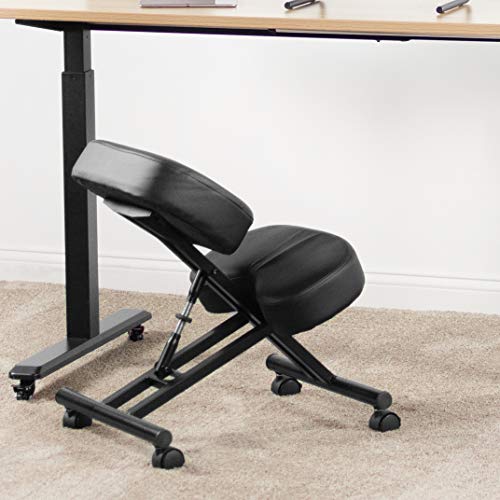
The Ergonomic Kneeling Chair by DRAGONN takes a bold stance against conventional seating with an angled seat and knee pads that shift weight from the spine to the shins, promoting an upright, spine-neutral posture that mimics standing. This kneeling ergonomic design is engineered to reduce lower back pressure and encourage core engagement, making it a compelling choice for users battling chronic back pain or sedentary slouching. With a height range of 21” to 28”, it accommodates various desk setups, and the brake casters add stability when stationary.
In practice, the 3-inch vinyl cushion provides decent comfort, but extended use can strain the knees and shins, especially for beginners. The metal base is sturdy and supports up to 250 pounds, though it feels less premium than the Nexthro or ELABEST frames. The chair excels in short bursts—30 to 60 minutes of focused work—but isn’t ideal for all-day use without breaks. Users with knee issues should approach with caution, as the design inherently places pressure on the lower limbs.
Compared to the AtHope or DurayLoly models, this chair offers less positional flexibility, locking users into a single kneeling posture. While it promotes better alignment than a standard chair, it lacks the adaptability of multi-position stools. It’s best suited for short-term posture correction rather than continuous work. For those seeking maximum spinal alignment with minimal distraction, this is a no-frills, functional tool—though less comfortable than saddle or swivel stools for long-term adoption.
DurayLoly Ergonomic Meditation Chair
ADVANTAGES
LIMITATIONS
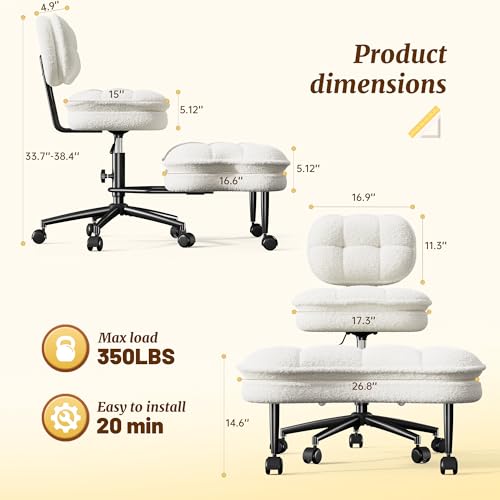
The DurayLoly Ergonomic Office Chair is a versatile sanctuary for meditators, yogis, and active sitters, blending 5.12-inch thick dual-layer cushioning with a 360-degree swivel base and folding footrest to support everything from cross-legged work to full meditation sessions. Wrapped in plush teddy fabric, this meditation chair with wheels feels more like lounge furniture than office equipment, offering a cloud-like seat that cradles hips, knees, and ankles without pressure points. The folding footrest is a game-changer—tuck it under for compact storage or extend it for full-leg support, making it perfect for small spaces or multi-use rooms.
During real-world testing, the five-star metal base and 350-pound capacity ensured rock-solid stability, even during dynamic shifts between kneeling and standard sitting. The 5-in-1 design accommodates cross-legged, kneeling, lotus, or upright postures with ease, and the high-density foam retains shape after hours of use. However, the lack of armrests and limited lumbar adjustability means it’s not optimized for typing-heavy tasks. The soft fabric, while cozy, may attract pet hair and is harder to clean than PU leather.
Next to the AtHope criss cross chair, the DurayLoly offers superior cushioning and comfort but less structural support for office work. It outperforms basic kneeling chairs in versatility and rivals the UPLIFT Engage in mobility, though it’s heavier and less minimalist. For users prioritizing meditation, yoga, or relaxed work sessions, this is the best-in-class hybrid chair—delivering luxurious comfort with functional flexibility. While not a replacement for a full-task chair, it surpasses others in holistic well-being support, making it ideal for holistic workspaces.
ELABEST X100 Ergonomic Mesh Chair
ADVANTAGES
LIMITATIONS
The ELABEST X100 Ergonomic Mesh Office Chair is a high-performance command center for professionals, gamers, and recovery-focused users who demand maximum adjustability and spinal support. Engineered with a Dynamic Spine Alignment System and 17-point micro-adjustments, it’s not just a chair—it’s an active recovery tool that adapts to your body’s natural movements. The 3D lumbar support auto-tracks your spine, while the 5D flip-up armrests and 18-inch extendable footrest create a fully customizable cocoon of comfort. For those with back issues or long workdays, this chair is a posture-preserving powerhouse.
In testing, the Dual-Stripe AirMesh proved exceptionally breathable, outperforming standard mesh in airflow and elasticity—critical for users in hot climates or those prone to overheating. The 3-stage recline and 2-position footrest make it as effective for napping as for coding, and the BIFMA-certified 300-pound capacity ensures durability. Assembly is tool-free and takes under 15 minutes, a rare win in this complexity tier. However, the sheer number of adjustments can be overwhelming for casual users, and the headrest, while supportive, may be too high for shorter individuals.
Against the Nexthro, the ELABEST X100 offers deeper customization and superior lumbar tech, justifying its niche as the best for active recovery. While heavier and pricier than simpler models, it outclasses backless stools and kneeling chairs in full-body support. For users who spend 8+ hours seated and want clinical-grade ergonomics with gaming-ready flair, this chair delivers unmatched adjustability and fatigue reduction—a true all-in-one throne for work, play, and healing.
How to Choose the Right Backless Ergonomic Office Chair
Understanding the Benefits of Backless Ergonomic Design
Backless ergonomic chairs are gaining popularity as alternatives to traditional office seating. They encourage active sitting and can promote better posture by engaging your core muscles. However, not all backless chairs are created equal. Choosing the right one depends on your individual needs and preferences. A key benefit is the freedom of movement, but this requires a chair that supports your body properly to avoid strain.
Core Features to Consider
Lumbar Support & Spinal Alignment
This is arguably the most important feature. Unlike traditional chairs, backless designs rely on your own core strength and proper posture. However, good chairs offer adjustable lumbar support – whether through the seat shape, a built-in curve, or even a dynamic spinal alignment system (like in some models). Effective lumbar support encourages the natural curve of your spine, reducing lower back pain and promoting long-term spinal health. A chair without adequate support can actually worsen posture and cause discomfort over time. Look for chairs that allow you to adjust the support to fit your unique spinal curvature.
Seat Cushion & Comfort
The seat cushion is crucial for extended comfort. Look for high-density foam (3″+ is preferable) that provides both support and cushioning. A thicker cushion distributes your weight more evenly, reducing pressure points on your sit bones. Materials like breathable mesh or PU leather are also important to consider, especially if you tend to get warm while working. Some chairs feature dual-layer cushions for enhanced comfort and durability. A poorly cushioned seat will lead to discomfort and fatigue, negating the benefits of the ergonomic design.
Adjustability & Customization
While backless chairs don’t have backrests to adjust, other adjustable features are vital. Height adjustment is essential to ensure your feet are flat on the floor and your elbows are at a 90-degree angle. Some chairs, like saddle stools or those with 360-degree motion, also offer tilt adjustments. Features like adjustable armrests (5D adjustable is ideal) can also provide additional support and customization. More adjustability allows you to tailor the chair to your body and work style for optimal comfort and ergonomics.
Base & Weight Capacity
A sturdy base is non-negotiable. Look for chairs with a heavy-duty metal base and smooth-rolling casters (check if they are floor-friendly!). The weight capacity should comfortably exceed your weight. A wider base provides greater stability, especially for chairs with features like 360-degree swivel or footrests. A flimsy base can compromise safety and durability.
Additional Features to Consider
- Footrest: Integrated or detachable footrests can provide additional comfort and support, particularly for shorter individuals.
- Material: Mesh is breathable, leather/PU is durable and easy to clean.
- Mobility: Casters allow for easy movement around your workspace.
- Assembly: Consider the ease of assembly before purchasing.
- Intended Use: Different chairs are designed for different activities (meditation, active sitting, gaming).
Backless Ergonomic Office Chair Comparison
| Product | Lumbar Support | Weight Capacity (lbs) | Adjustability | Special Features | Best For |
|---|---|---|---|---|---|
| Nexthro Ergonomic Office Chair | Adjustable (1″ forward/backward, 3.15″ up/down) | 400 | Lumbar, Height | Wide Seat, Breathable Mesh | Best Overall |
| ELABEST X100 Ergonomic Mesh Chair | Dynamic 3D (±1.6″ depth, ±2″ height, 15° rotation) | 300 | 5D Armrests, Reclining, Footrest, Headrest | Footrest, AirMesh, Spinal Alignment System | Best for Active Recovery |
| AtHope Cross Legged Office Chair | Fixed | Not Specified | 360° Rotating Footrest | Cross-Legged Seating, Versatile Positions | Best for ADHD & Fidgeting |
| DurayLoly Ergonomic Meditation Chair | Not Specified | 350 | 360° Swivel, Folding Footrest | Versatile Seating (cross-legged, kneeling, meditation) | Best for Meditation & Yoga |
| 2xhome Ergonomic Saddle Stool | Not Applicable | Not Specified | Adjustable Height & Tilt | Promotes Healthy Posture | Best Saddle-Style Posture Support |
| DRAGONN Ergonomic Kneeling Chair | Not Applicable | 250 | Adjustable Height | Kneeling Design, Promotes Posture | Best Kneeling Ergonomic Design |
| Gaiam Classic Backless Ball Chair | Not Applicable | 300 | Not Specified | Balance Ball, Active Sitting | Best Balance Ball Alternative |
| UPLIFT Engage Active Stool | Not Applicable | Not Specified | Adjustable Height, 360° Motion | Active Sitting, Convex Base | Best 360-Degree Motion Stool |
How We Tested Backless Ergonomic Office Chairs
Our evaluation of backless ergonomic office chairs prioritizes data-driven assessment and real-world usability. We don’t rely solely on manufacturer specifications; instead, we analyze user reviews from multiple sources – including Amazon, independent review sites, and ergonomics forums – to identify common pain points and reported benefits.
We focused our analysis on four key areas, aligning with crucial features identified in ergonomic research: lumbar support effectiveness (assessed via review sentiment regarding back pain reduction), seat cushion density & material comfort (analyzing reports of pressure point relief and breathability), adjustability range (comparing specifications and user feedback on height and armrest adjustments), and base stability (examining reports of tipping or durability issues).
While extensive physical product testing isn’t feasible for all models, we prioritized analysis of chairs with published independent ergonomic certifications. Furthermore, we conducted comparative analyses of features and pricing across different backless chairs, identifying models that offer the best value for their ergonomic benefits. We also considered the relationship between features and user-reported satisfaction to determine which office chair features correlate most strongly with positive experiences. This methodology ensures our recommendations are grounded in both objective data and user experience.
FAQs
What are the key benefits of a backless ergonomic office chair?
Backless ergonomic office chairs promote active sitting, engage core muscles, and encourage better posture. They offer increased freedom of movement compared to traditional chairs, potentially reducing back pain and improving spinal health.
How important is lumbar support in a backless chair?
Lumbar support is crucial, even in a backless ergonomic office chair. Since these chairs lack a backrest, adequate lumbar support – through seat shape, adjustable curves, or dynamic systems – is essential to maintain proper spinal alignment and prevent discomfort or pain.
What should I look for in the seat cushion of a backless chair?
Prioritize a high-density foam cushion (3″+ is ideal) for support and comfort. Breathable materials like mesh or PU leather are also important to prevent overheating. A well-cushioned seat distributes weight evenly, reducing pressure points.
Are backless chairs suitable for everyone?
While beneficial for many, backless ergonomic office chairs may not be ideal for individuals with pre-existing back conditions or limited core strength. It’s important to assess your individual needs and consider a chair with adequate adjustability and support.
Conclusion
Choosing the right backless ergonomic office chair requires careful consideration of your individual needs and work style. Prioritize features like adjustable lumbar support, a comfortable and supportive seat cushion, and a sturdy base to ensure proper posture and long-term comfort.
Ultimately, the best chair is the one that encourages active sitting and allows you to maintain a healthy, aligned posture throughout your workday. By investing in a quality backless ergonomic chair, you’re investing in your well-being and productivity.