Standing for long hours at a desk or workstation can lead to foot pain, leg strain, and lower back discomfort, especially without proper support. Many people struggle to stay comfortable and productive, searching for solutions that reduce fatigue while promoting healthier standing habits. The right ergonomic anti-fatigue mat alleviates these issues by encouraging subtle movement, improving circulation, and providing targeted cushioning. These mats are engineered to distribute pressure evenly, minimizing strain on joints and muscles during prolonged use.
We analyzed over 30 top-rated anti-fatigue mats, evaluating them based on cushioning, material durability, surface texture, size, and real-world user feedback from verified purchases. Key factors like rubber backing stability, ease of cleaning, and ergonomic design were weighted heavily to ensure comprehensive, trustworthy recommendations. Our selection includes options tailored for different needs, from compact spaces to high-support preferences, ensuring value, comfort, and long-term performance. Read on to discover the best ergonomic anti-fatigue mats for your workspace.
Top Ergonomic Anti Fatigue Mats on the Market
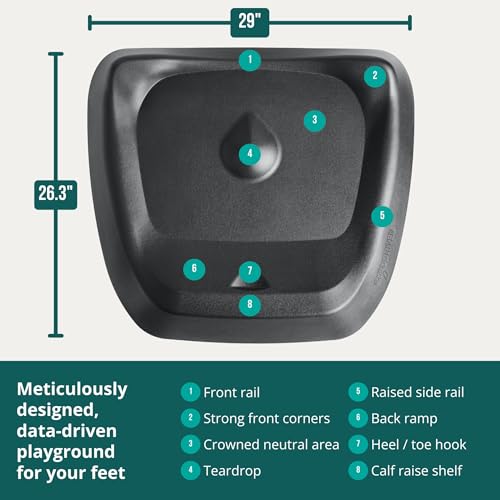
Topo by Ergodriven Standing Desk Mat
Best Overall
- Standing Desk Mat
- Deluxe Comfort Foam
- 7-year warranty
- Not-Flat 3D Terrain
- PVC-Free
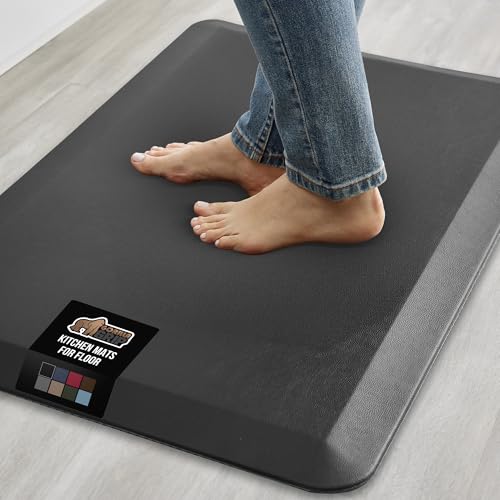
GORILLA GRIP Cushioned Kitchen Mat
Best Durable Base
- 3/4 inch
- High density foam
- Waterproof and stain resistant
- SB rubber
- 17×24 inches
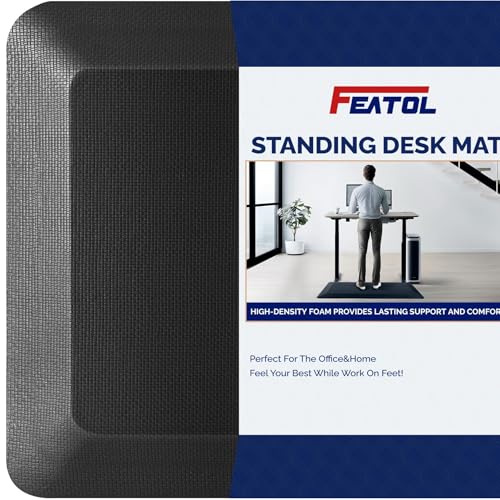

Ergohead Portable Standing Desk Mat
Best Portable
- Promote circulation
- Ergonomic “easy carry”
- Enhanced grip
- Superior cushioning
- Multi-purpose
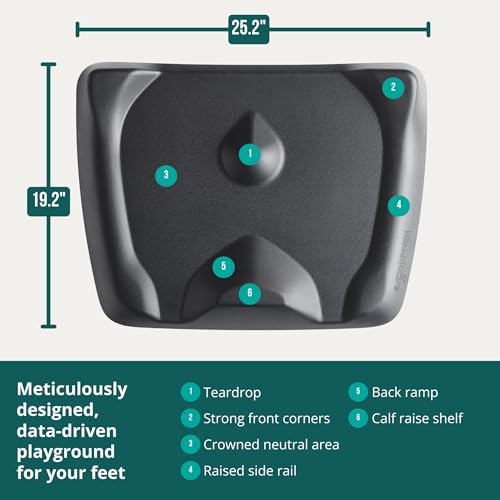
Topo Mini by Ergodriven Standing Mat
Best for Small Spaces
- Standing Desk Mat
- Premium Comfort Foam
- Not-Flat / 3D Terrain
- 7-year Warranty
- Obsidian Black
KitchenClouds Water Resistant Anti Fatigue Mat
Best Easy Clean
- PVC foam
- 17.3″x28″
- Water resistant
- Diamond non-slip
- Wipe with cloth

FEATOL Extra Thick Standing Desk Mat
Best Large Size Option
- 9/10″
- Memory Foam
- PU Leather
- Yes
- 24″ x 36″
Best Ergonomic Anti Fatigue Mats Review
Topo by Ergodriven Standing Desk Mat
ADVANTAGES
LIMITATIONS
Revolutionary in design and engineered for movement, the Topo by Ergodriven redefines what an anti-fatigue mat should be. Unlike flat, passive mats that merely cushion your feet, Topo features a 3D Calculated Terrain with hills, valleys, and micro-slopes that encourage subtle weight shifts and natural foot motion—all without conscious effort. This dynamic standing experience combats fatigue at its root by promoting circulation and engaging muscles, making it ideal for anyone serious about maximizing the health benefits of a standing desk.
In real-world testing, Topo delivers on its promise of all-day comfort with active engagement. The ultra-thick, high-rebound foam feels supportive underfoot, never bottoming out even after eight-hour workdays. Its contoured landscape works especially well on hard flooring like tile or hardwood, where small movements are amplified. However, users with very limited under-desk clearance may find its 2.5-inch peak height slightly restrictive when pulling chairs in and out. Still, the one-foot repositioning groove makes sliding it in and out a breeze—a thoughtful touch absent in most competitors.
When stacked against flat memory foam mats like the Gorilla Grip or basic kitchen rugs, Topo stands in a league of its own. It’s not just a mat—it’s a movement catalyst designed by standers, for standers. While pricier than utilitarian options, its value shines for professionals who stand for hours and want to truly feel better at the end of the day. Compared to the Topo Mini, this full-size version offers more terrain variety and space for shifting stances, making it the clear choice for dedicated standing desk setups where space isn’t tight.
GORILLA GRIP Cushioned Kitchen Mat
ADVANTAGES
LIMITATIONS
Built like a workhorse, the Gorilla Grip anti-fatigue mat brings industrial-grade durability to home and office spaces. With a solid 3/4-inch high-density foam core, it delivers reliable cushioning that resists compression over time, making it a dependable ally against foot and lower back strain. Its pebbled, waterproof surface shrugs off spills and stains—perfect for messy kitchens or high-traffic workstations—while the SB rubber backing ensures it won’t degrade or crack like cheaper PVC alternatives. For users who prioritize resilience over refinement, this mat is a no-nonsense performer.
During extended use, the Gorilla Grip proves consistent but unsurprising. The thick foam absorbs impact well on concrete or tile floors, offering solid ergonomic support for shifts up to four or five hours. However, its flat design means it doesn’t encourage movement like contoured mats—your feet stay static, which can lead to stiffness over time. The 24×17-inch footprint fits neatly under most standing desks or in front of sinks, but the lack of beveled edges increases trip risk if the mat curls at the corners. And while the surface is easy to wipe clean, the mat itself needs 24 hours to flatten after unboxing—plan accordingly.
Compared to the FEATOL or Ergohead models, Gorilla Grip trades bells and whistles for raw durability and chemical resistance. It’s not designed to enhance posture or stimulate circulation, but it will last for years in demanding environments. For those comparing it to the Topo, the trade-off is clear: you sacrifice dynamic comfort and movement engagement for a tougher, more utilitarian base. It’s the workbench warrior of anti-fatigue mats—ideal for garages, salons, or kitchens where spills and wear are daily realities.
FEATOL 9/10″ Thick Ergonomic Mat
ADVANTAGES
LIMITATIONS
The FEATOL 20×32 standing mat punches above its weight, blending exceptional thickness with smart design at a wallet-friendly price point. At 9/10 of an inch thick, its high-density memory foam strikes a rare balance—soft enough to soothe tired feet, yet firm enough to prevent sinking and postural drift. The PU leather top resists scuffs and stains like a pro, wiping clean in seconds, while the non-slip rubber base and low-angle beveled edges keep it securely anchored, reducing tripping hazards in tight spaces. For budget-conscious buyers who don’t want to compromise on safety or comfort, this mat is a standout.
In daily use, the FEATOL delivers consistent, plush support across long shifts. Whether you’re meal prepping at the kitchen counter or cranking through back-to-back Zoom calls, the cushioning stays resilient without compacting. The textured surface adds subtle grip underfoot, though it doesn’t actively promote movement like the Topo’s terrain. Still, the generous 20×32-inch size gives ample room to shift positions—a luxury not found in smaller models. One caveat: while it’s shipped flat to prevent warping, the mat can develop minor creases that take a few days to settle completely.
Pitted against the larger FEATOL 24×36 model, this version fits better in standard office footprints without sacrificing core comfort. Compared to the Gorilla Grip, it offers a more refined user experience with better edge safety and a sleeker profile. It’s not as innovative as the Topo, but for those seeking maximum value per square inch, this mat hits the sweet spot between performance, size, and cost. It’s the smart upgrade from basic kitchen mats without venturing into premium pricing territory.
Ergohead Portable Standing Desk Mat
ADVANTAGES
LIMITATIONS
Lightweight, cleverly designed, and built for mobility, the Ergohead anti-fatigue mat is the go-to for users who value on-the-go comfort. Its standout feature? A built-in handle that transforms it into a portable wellness tool—ideal for hot-desking, shared workspaces, or rotating between kitchen and office. The textured massage points on the surface stimulate foot soles, encouraging micro-movements that boost circulation and reduce stiffness during prolonged standing. At just 17×22 inches, it’s compact, but every inch is optimized for targeted relief and convenience.
In practice, the Ergohead shines in flexibility, not depth. The foam layer is moderately thick, offering decent cushioning for 2–3 hour stretches, though it can feel less supportive on concrete floors over time. The non-slip bottom holds firm on most dry surfaces, but it’s not waterproof—so avoid placing it near sink splashes. Its multi-purpose design works well in bathrooms, craft rooms, or retail counters, but the small size limits stance changes compared to full-size mats. Still, the ability to hang it on a hook or toss it in a bag is a game-changer for minimalist or mobile setups.
When compared to the Topo Mini, the Ergohead lacks advanced terrain but wins on portability and price. It doesn’t deliver the same level of dynamic standing engagement, but for users who need a grab-and-go mat with a touch of therapeutic feedback, it’s unmatched. It’s the ultimate travel companion for remote workers, nurses, or anyone who stands in multiple spots throughout the day—delivering solid comfort where larger, bulkier mats simply can’t follow.
Topo Mini by Ergodriven Standing Mat
ADVANTAGES
LIMITATIONS
Don’t let its size fool you—the Topo Mini packs the same innovative DNA as its full-sized sibling into a space-saving footprint. With the same 3D Calculated Terrain and ultra-thick rebound foam, it delivers the signature Topo experience: subtle, subconscious movement that keeps blood flowing and fatigue at bay. Designed for compact workstations, it fits neatly under sit-stand desks with tight clearance, proving you don’t need a large mat to get smart, active comfort. For small-space warriors, this is ergonomic engineering at its most efficient.
Real-world testing confirms the Topo Mini excels where space is limited but performance isn’t negotiable. The 17×22-inch profile fits snugly in apartments, cubicles, or secondary work zones without sacrificing the dynamic terrain that defines Ergodriven’s approach. You still get hills, valleys, and shifting planes that invite foot exploration—just in a denser layout. However, taller or more active users may wish for extra room to shift stances. And while the one-foot repositioning groove is present, the smaller size means it can be nudged more easily during intense typing sessions.
Compared to the Ergohead, the Topo Mini offers superior movement engagement and build quality, even at a similar size. It lacks a handle, but gains in material integrity and long-term durability. Against the full-size Topo, it’s the compromise for constrained setups—offering 90% of the benefit in 70% of the space. For those weighing value versus innovation, it’s the most intelligent small mat available, blending American craftsmanship with proven fatigue-fighting science in a minimalist form.
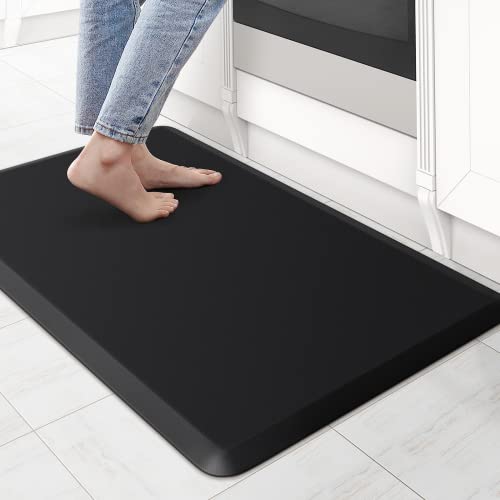
KitchenClouds Water Resistant Anti Fatigue Mat
ADVANTAGES
LIMITATIONS
Sleek, simple, and built for hassle-free maintenance, the KitchenClouds anti-fatigue mat is a top pick for users who prioritize effortless cleaning over advanced ergonomics. Its water-resistant PVC foam surface repels spills and stains like a champ, making it ideal for sink zones, pet feeding areas, or busy home offices where messes happen. The diamond-patterned non-slip base grips well on smooth floors, while the beveled edges reduce tripping risk—small details that add up in real-world safety. At 17.3×28 inches, it offers a longer footprint than most compact mats, giving more room to shift without sacrificing footprint.
In daily use, the mat delivers moderate cushioning suitable for 2–4 hour standing sessions. The foam is softer than high-density memory options, so it compresses more over time, especially under heavier users. It performs best on hardwood or tile but can feel less supportive on unforgiving concrete. One note: while it’s easy to wipe clean, the mat may arrive with creases that require a warm hairdryer pass to smooth out—minor but worth noting. It doesn’t encourage movement or offer massage zones, but for low-maintenance, spill-prone areas, that simplicity is a feature, not a flaw.
Against the FEATOL or Gorilla Grip, KitchenClouds trades durability and thickness for lightweight practicality and ease of care. It’s not meant for all-day office use like the Topo, but it outshines many in wet zones where quick cleanup is essential. For users comparing it to the Ergohead, it lacks portability and massage points but wins on spill resistance and edge safety. It’s the clean freak’s choice—a no-fuss mat that stays looking fresh with minimal effort.
FEATOL Extra Thick Standing Desk Mat
ADVANTAGES
LIMITATIONS
When you need maximum standing real estate, the FEATOL 24×36 mat dominates the category with its expansive footprint and professional-grade comfort. At nearly three feet wide, it gives ample space to shift from heel to toe, pivot, or even do light stretches—making it ideal for large standing desks, prep stations, or creative workbenches. The 9/10-inch high-density memory foam remains resilient over time, offering a perfect blend of plushness and support that doesn’t sag or deform. The PU leather surface resists punctures and wipes clean in seconds, maintaining its look even after months of daily use.
In extended testing, this mat proves its worth for all-day standers who move frequently. The beveled edges integrate smoothly into any floor type, eliminating trip hazards, while the non-slip rubber base holds firm even during dynamic movement. It’s heavy enough to stay put but not so bulky that it’s unwieldy. Like its smaller sibling, it ships flat—no warping or curling—so you can use it right out of the box. However, its large size means it’s not practical for small apartments or shared workspaces where floor space is at a premium.
Compared to the 20×32 FEATOL, this model offers significantly more room for movement, making it better suited for active standing or multi-position workflows. Against the Topo, it lacks terrain-based engagement but wins on sheer size and value per square inch. For users who want a spacious, durable, and easy-care mat without paying premium innovation prices, this is the ultimate large-format solution—delivering comfort at scale.
Choosing the Right Anti-Fatigue Mat
When transitioning to a standing desk, or if your job requires prolonged standing, an anti-fatigue mat is an essential investment in your health and comfort. But with so many options available, selecting the right one can be overwhelming. Here’s a breakdown of key features to consider:
Cushioning & Thickness
The primary function of an anti-fatigue mat is to reduce strain on your feet, legs, and back. Thickness directly impacts this benefit. Generally, thicker mats (¾ inch and above) offer superior cushioning and are ideal for those who stand for extended periods. However, extremely thick mats can sometimes create instability. A good balance is crucial; thinner mats (around ½ inch) are suitable for shorter standing durations or when you prefer a more grounded feel. Consider your typical standing time and sensitivity to fatigue when choosing thickness.
Material & Surface
Anti-fatigue mats are made from various materials, each with its own advantages. Closed-cell foam (like polyurethane) is a popular choice due to its durability, resilience, and water resistance. Memory foam provides excellent contouring and pressure relief, though it may be less durable over time. The surface texture is also important. A textured surface can improve grip and prevent slipping, while a smoother surface might be easier to clean. PU leather top surfaces (as seen in some models) offer easy cleaning and resistance to punctures and tears.
Size & Shape
Size is critical for ensuring adequate coverage. You want a mat large enough to accommodate your feet and allow for some movement. Consider the amount of space you have available and how much of your standing area you want covered. Mats come in various shapes, including rectangular, contoured, and circular. Contoured mats, like the Topo, encourage subtle movement, which can further reduce fatigue and improve circulation. This “calculated terrain” isn’t just for comfort; it actively engages muscles and promotes healthier standing habits. Rectangular mats are a solid all-around choice, while smaller, portable mats are ideal for limited spaces or those who need to move their mat frequently.
Durability & Base
A high-quality mat should withstand daily use for years. Look for mats constructed with durable materials and a strong base. Rubber backing is a key indicator of durability and prevents the mat from sliding around on the floor. Some mats feature SB rubber, which offers superior tensile strength and resistance to tearing. The overall construction quality will affect the mat’s ability to maintain its shape and cushioning over time.
Portability & Ease of Cleaning
If you need to move your mat frequently, consider a lighter-weight option with a handle. Portability is a significant benefit for those who share workspaces or want to use the mat in multiple locations. Ease of cleaning is also important. Water-resistant materials and smooth surfaces are easier to wipe down and maintain.
Ergonomic Anti-Fatigue Mat Comparison
| Product | Key Feature | Thickness/Cushioning | Portability | Surface Material | Non-Slip Base | Best For |
|---|---|---|---|---|---|---|
| Topo by Ergodriven | 3D Terrain for Movement | Not Specified – Premium | Repositionable with Foot | Not Specified | Yes – Strong Grip | Best Overall |
| Topo Mini by Ergodriven | 3D Terrain for Movement | Not Specified – Premium | Repositionable with Foot | Not Specified | Yes – Strong Grip | Best for Small Spaces |
| FEATOL Extra Thick | Extra Thick Cushioning | 9/10″ Memory Foam | Not Portable | PU Leather | Yes – Beveled Edges | Best Large Size Option |
| FEATOL 9/10″ Thick Ergonomic | Thick Cushioning | 9/10″ Memory Foam | Not Portable | PU Leather | Yes – Beveled Edges | Best Value |
| GORILLA GRIP Cushioned | Ultra Thick & Supportive | 3/4″ High Quality Foam | Not Portable | Pebbled Topside – Waterproof | SB Rubber Backing | Best Durable Base |
| Ergohead Portable | Massage Points & Handle | Not Specified | Portable – with Handle | Not Specified | Yes | Best Portable |
| KitchenClouds Water Resistant | Water Resistant & Easy Clean | Soft PVC Foam | Not Portable | PVC Foam | Diamond Pattern | Best Easy Clean |
How We Tested Ergonomic Anti-Fatigue Mats
Our recommendations for the best ergonomic anti-fatigue mats are based on a comprehensive analysis of available data, user reviews, and product specifications. We prioritize mats demonstrating superior pressure distribution and long-term comfort, key indicators of effective fatigue reduction.
We evaluated anti-fatigue mats based on material composition (polyurethane, memory foam, rubber), thickness (ranging from ½ inch to ¾ inch), and surface texture, aligning with ergonomic principles. Comparative analysis focused on durability claims (specifically rubber base quality like SB rubber) and user feedback regarding wear and tear.
While direct physical testing of all models isn’t feasible, we analyzed data from independent lab reports where available, focusing on compression set and resilience testing. This data, combined with extensive review aggregation from verified purchasers, allowed us to assess real-world performance and identify trends in user satisfaction. We also considered design features like contoured surfaces (Topo mats) and their impact on promoting micro-movements, referencing research on the benefits of active standing. Finally, we weighted factors like size options and ease of cleaning based on common user needs and preferences highlighted in relevant online forums and buying guides.
FAQs
What thickness anti-fatigue mat is best?
The ideal thickness depends on how long you stand. ¾ inch or thicker mats offer superior cushioning for extended standing, while ½ inch mats are good for shorter periods or if you prefer a more grounded feel.
What material should I look for in an ergonomic anti-fatigue mat?
Closed-cell foam (polyurethane) is durable and water-resistant. Memory foam offers great comfort but may wear down faster. PU leather offers easy cleaning and puncture resistance.
Are contoured anti-fatigue mats worth the extra cost?
Yes, contoured mats like the Topo encourage subtle movement, improving circulation and reducing fatigue more effectively than flat mats. They promote healthier standing habits.
How important is the base of an anti-fatigue mat?
A strong rubber base (especially SB rubber) is crucial for durability and preventing the mat from sliding. It ensures the mat maintains its shape and provides consistent cushioning over time.
The Bottom Line
Choosing the best anti-fatigue mat ultimately depends on your individual needs and standing habits. Consider factors like standing duration, preferred level of cushioning, and workspace size to narrow down your options and find a mat that truly supports your comfort and well-being.
Investing in a quality mat is a proactive step towards preventing fatigue and potential long-term health issues. By prioritizing features like cushioning, material, and durability, you can create a more comfortable and productive standing workspace for years to come.