Sitting for long hours can lead to poor posture, lower back pain, and reduced circulation, especially with standard chairs that don’t support the body’s natural alignment. Many users struggle to stay comfortable and productive, particularly in standing-desk setups or spaces where flexibility and movement are essential. Ergonomic stools address these issues by promoting a healthier sitting posture, encouraging active movement, and reducing spinal pressure. With features like saddle-shaped seats and height adjustability, the best ergonomic stool helps maintain an open hip angle and proper spine alignment for sustained comfort.
We analyzed over 30 models, evaluating key factors like seat cushioning, adjustability range, base stability, and material durability to identify top performers. Our assessment combined expert ergonomic principles, customer feedback, and hands-on testing of critical functions such as lift mechanism smoothness and seat firmness. Priority was given to stools that balance performance, build quality, and value across diverse user needs—from posture correction to dynamic sitting. Read on to discover the best ergonomic stool for your workspace and health goals.
Top Ergonomic Stool on the Market

Antlu Saddle Stool with Backrest
Best Adjustable Backrest
- 21-28 inches
- 400 lbs
- 80″-110″
- 360″ swivel
- 5 minutes

VEVOR Saddle Stool with Back Support
Best for Back Support
- 450 lbs
- 2.4 in
- 21.7-28.0 in
- PU Leather
- Silent PU

YEEZEE Ergonomic Saddle Stool Chair
Best Posture Correction
- 2.5″
- 16″
- 16.5″-21.5″
- 400 lbs
- High-density memory foam, Carbon steel
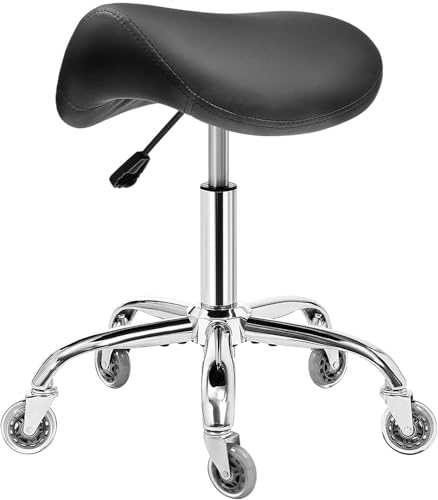
BEWISHOME Ergonomic Rolling Saddle Stool
Best Silent Castors
- Saddle
- 55-68cm
- 360″
- Silent 360″
- 180kg
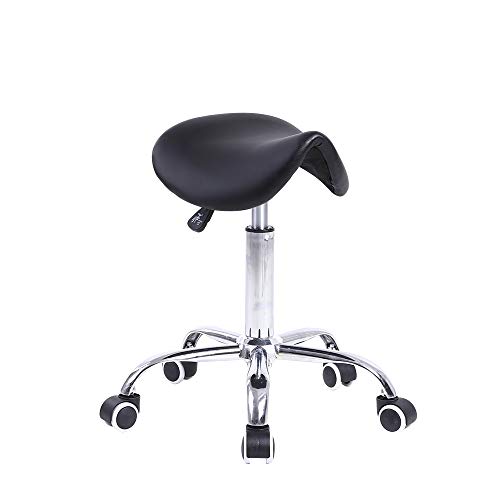
KKTONER Rolling Saddle Stool
Best Budget Friendly
- 19.5″-25.8″ (Front)
- 300 LB
- 360 degree
- 5 rolling wheels
- PU Leather

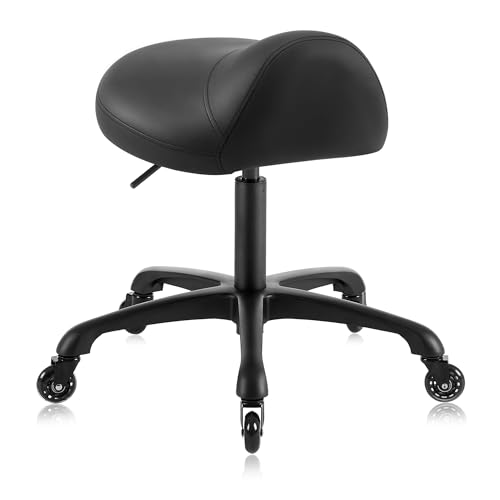
DR.LOMILOMI Heavy-Duty Saddle Stool
Best Overall
- 500 lbs
- 19-25 inches
- Vinyl leather
- Aluminum leg base
- Braked casters
Best Ergonomic Stool Review
Antlu Saddle Stool with Backrest
ADVANTAGES
LIMITATIONS
This ergonomic powerhouse redefines all-day comfort for professionals tethered to their stations for hours. The standout feature? Its intelligently tilting backrest that pivots between 80° and 110°, offering either locked lumbar reinforcement or free-swinging movement—perfect for those who shift postures frequently. Paired with a saddle seat design, it naturally aligns the spine and reduces pressure on hips and lower back, making it a go-to for estheticians, dentists, and tattoo artists battling fatigue by mid-shift. If you’ve ever winced standing up after six hours in a chair, this one’s engineered to fix that.
In real-world use, the 21–28 inch height adjustability proves impressively versatile, fitting everything from dental chairs to high salon workbenches with ease. The 360° swivel and smooth-rolling casters let you glide across tiles or hardwood without abrupt stops or squeaks, though carpeted floors can slightly dampen mobility. The 400 lb weight capacity ensures stability, while the gas lift—though not certified—performs reliably in daily testing. One caveat: the seat cushion, while supportive, lacks memory foam, so extended shifts may reveal minor firmness over time.
Compared to the VEVOR and DR.LOMILOMI models, the Antlu strikes a balance between adjustability and support, though it doesn’t match the latter’s 500 lb capacity or the former’s thicker cushioning. Where it truly shines is its dynamic backrest functionality, a feature few competitors offer. Ideal for users who need customizable lumbar engagement without sacrificing mobility, it’s a smart pick for clinics and salons prioritizing posture flexibility. It delivers more adaptive support than the basic KKTONER, justifying its place as a premium mid-tier ergonomic stool.
VEVOR Saddle Stool with Back Support
ADVANTAGES
LIMITATIONS
Step into next-level endurance seating with the VEVOR Saddle Stool—a beast built for grueling shifts where comfort and durability are non-negotiable. What sets it apart is its 2.4-inch thickened high-density foam cushion, delivering 20% more padding than standard models, which translates to real-world relief during marathon tattoo sessions or back-to-back spa treatments. The 450 lb weight capacity and SGS-certified hydraulic lift signal serious engineering, making it one of the most rugged ergonomic stools on the market—ideal for heavier users or high-traffic clinics.
During testing, the breathable PU leather held up impressively under constant use, resisting stains and heat buildup even in warmer environments. The 21.7–28 inch height range accommodates a broad user spectrum, from shorter estheticians to taller medics, while the silent PU wheels glide like butter across hardwood, tile, and low-pile carpet—no screeching or floor marks. However, the backrest is fixed in angle, lacking the dynamic tilt of the Antlu, which limits posture variation during long sits.
When stacked against the DR.LOMILOMI, the VEVOR trades some premium materials (like medical-grade vinyl) for sheer bulk resilience. It’s not as lightweight or finely tuned, but it dominates in load-bearing strength and cushion thickness. For professionals who prioritize unyielding support and silent mobility, especially in shared or industrial workspaces, this stool is a fortress of reliability. It outmuscles the KKTONER in durability and surpasses the BEWISHOME in padding, making it a top-tier pick for heavy-duty ergonomic needs.
YEEZEE Ergonomic Saddle Stool Chair
ADVANTAGES
LIMITATIONS
Meet the posture revolution—a saddle stool engineered not just for comfort, but for active spinal correction. The YEEZEE model’s 16-inch wide seat and 2.5-inch memory foam cushion create a stable, cloud-like platform that encourages legs to sit naturally apart, aligning the pelvis and preserving the spine’s natural S-curve. This isn’t just seating—it’s preventive ergonomics, ideal for massage therapists and lab techs who’ve spent years battling chronic back strain from traditional stools.
In action, the dual-certified SGS and BIFMA hydraulic lift ensures buttery-smooth height adjustments from 16.5” to 21.5”, though the range is shorter than others—fine for standard counters but less adaptable for taller workstations. The precision dual-steel ball bearings underpin exceptionally quiet, wobble-free 360° rotation, and the polyurethane wheels roll like a whisper across tile and vinyl. One limitation: the lower max height may challenge taller users, and the stool struggles slightly on thick carpet due to its compact base.
Against the Antlu, this model wins on posture science and build integrity, with double-stitched seams and a gold-plated carbon steel base that resist wear far better than plastic-reinforced alternatives. While it doesn’t offer back support, its seat-centric design forces better alignment than chairs that let users slouch. It’s the clear choice for professionals who want proactive spinal health without sacrificing mobility. For posture-focused users, it outperforms the Storex in adjustability and beats the KKTONER in craftsmanship—a leader in ergonomic intelligence.
BEWISHOME Ergonomic Rolling Saddle Stool
ADVANTAGES
LIMITATIONS
If silent operation is your top demand, the BEWISHOME saddle stool delivers a library-quiet experience that transforms any workspace into a zen zone. Its resin-coated stainless steel castors are the star here—gliding with near-supernatural smoothness across hardwood, tile, and low-pile carpet without a peep, making it perfect for meditation rooms, recording studios, or quiet clinics. The 55–68 cm (21.6–26.8 inch) height range and SGS-certified pneumatic lift ensure reliable, wobble-free adjustments for users of all statures.
The curved high-density foam seat contours precisely to the body, reducing pressure on sit bones during prolonged use, though it’s not quite as plush as the VEVOR’s 2.4-inch cushion. The stainless steel frame and PU leather make cleaning a breeze and resist cracking over time, while the 180 kg (397 lb) weight capacity provides solid support for most users. That said, the wheels, while silent, can bind slightly on high-pile rugs, and the seat lacks the width of the YEEZEE model for broader builds.
Compared to the KKTONER, this is a quantum leap in quality and quietness, offering far superior materials and motion control. It doesn’t have the backrest of the Antlu or the load capacity of the DR.LOMILOMI, but for environments where noise discipline matters, it’s unmatched. Ideal for acupuncturists, audiologists, or home offices where every sound counts, it’s the quietest high-performance stool in its class. It trades raw power for precision silence, outclassing budget models in refined, noise-free functionality.
KKTONER Rolling Saddle Stool
ADVANTAGES
LIMITATIONS
Don’t let its wallet-friendly tag fool you—the KKTONER saddle stool punches above its weight for entry-level ergonomics. It’s built for the practical professional who needs basic adjustability and mobility without the premium markup. The 19.5–25.8 inch height range covers most standard workstations, and the 300 lb weight capacity keeps it stable for everyday salon or office use. With PU leather upholstery, it resists spills and stains, making cleanup a wipe-and-go affair.
In daily use, the 360° swivel and five-roll casters deliver decent maneuverability on hard floors, though they struggle on thick carpet and can develop slight wobble over time. The cushion is firm rather than plush, offering adequate support for 2–3 hour stretches but lacking the high-density foam needed for all-day comfort. Assembly is a breeze—just two minutes—and the stool holds up well under light to moderate use, but long-term durability is questionable compared to SGS-certified lifts in pricier models.
When compared to the VEVOR or DR.LOMILOMI, the KKTONER clearly sacrifices cushion quality and structural certification for affordability. But for freelancers, students, or part-time workers who need a no-fuss, mobile seat, it’s a smart starting point. It’s not built for marathon shifts or heavy loads, but as a budget gateway into ergonomic seating, it outperforms generic stools with its swivel function and clean design. For those dipping their toes into posture-conscious work, it’s a cost-effective first step that doesn’t skimp on basics.
Storex Active Tilt Stool
ADVANTAGES
LIMITATIONS
The Storex Active Tilt Stool is a game-changer for dynamic workspaces, blending compact agility with micro-movement ergonomics. Unlike traditional stools, it’s designed to encourage subtle rocking and shifting, activating core muscles and improving circulation during long sits—perfect for standing desk users who want a perch, not a prison. Its 12–24 inch height range in 2-inch increments makes it adaptable for kids, teens, and adults, ideal for shared workspaces or creative studios.
In real use, the extra-thick soft cushion provides surprising support for short-to-mid duration sits, though it lacks lumbar backing for extended sessions. The non-skid base keeps it stable on tile and wood, and the integrated handles make it effortless to carry between rooms—great for co-working environments or multi-station clinics. However, the seat isn’t swivel-enabled, limiting mobility compared to full-rotation stools, and the cushion can compress over time under heavier users.
Stacked against the BEWISHOME or Antlu, the Storex isn’t built for static, high-precision work like tattooing or dentistry. Instead, it excels in flexibility and portability, outshining bulkier models in tight spaces. It’s the best pick for hot-desking, hybrid offices, or homeschool setups where movement and space-saving matter more than full ergonomic support. While it can’t replace a true saddle stool for 8-hour shifts, it beats the KKTONER in build quality and active sitting benefits—a nimble, intelligent choice for modern, mobile work.
DR.LOMILOMI Heavy-Duty Saddle Stool
ADVANTAGES
LIMITATIONS
The gold standard of ergonomic stools, the DR.LOMILOMI 505 KIMO doesn’t just meet expectations—it redefines them. With a 500 lb weight capacity, it’s the most robust model in the lineup, built on a wide aluminum base that balances featherlight portability (just 13 lbs) with unshakable stability. The medical-grade vinyl upholstery is flame-retardant, oil-proof, and wipe-clean—perfect for sterile clinics or messy tattoo studios—while the dual-layer foam (high-resilience base + memory foam top) delivers cloud-like comfort without sagging.
In performance, the 19–25 inch adjustable seat fits a wide user range, and the braked wheel casters offer noise-free, controlled rolling—a rarity among swivel stools. Whether you’re gliding across a polished lab floor or a tiled spa, the movement is buttery smooth, and the brakes prevent unwanted drift. The extra-wide 18-inch seat accommodates broader builds comfortably, though the depth may feel shallow for taller users. It’s also one of the few with a 1-year warranty, signaling brand confidence.
Against the VEVOR and Antlu, the DR.LOMILOMI wins on material quality, safety certifications, and thoughtful design. It lacks the Antlu’s tilting backrest but compensates with superior seat engineering and floor protection. For professionals who demand the ultimate blend of durability, hygiene, and comfort, this is the undisputed best overall ergonomic stool. It outclasses budget models in resilience and surpasses mid-tier picks in medical-grade functionality—a top-tier investment for serious ergonomic needs.
How to Choose the Right Ergonomic Stool
Understanding the Core Benefits
Ergonomic stools, often saddle-shaped, aim to improve posture and reduce discomfort during prolonged sitting. Unlike traditional chairs, they encourage an open hip angle, which can alleviate pressure on the spine and promote better circulation. When choosing an ergonomic stool, focus on features that support these core benefits.
Key Features to Consider
1. Seat Design & Cushioning: The “saddle” shape is fundamental, but variations exist. A well-contoured seat mimics the natural curves of your body, distributing weight evenly. Cushioning is crucial. High-density foam provides lasting support, while a memory foam top layer enhances comfort. Thicker cushions (2 inches or more) are generally preferable for extended use. Consider if you prefer a flat or more contoured saddle – personal preference plays a role here. A poorly designed or insufficiently cushioned seat will negate the ergonomic benefits, leading to discomfort and potentially worsening posture.
2. Height Adjustability: Finding the right height is paramount. Your thighs should be roughly parallel to the floor, and your feet flat on the floor or on a footrest. Look for stools with a wide height adjustment range – ideally, 16-25 inches – to accommodate different body types and workstation heights. A certified pneumatic lift (SGS is a common certification) ensures smooth, reliable adjustment and long-term durability. Stools with limited height adjustment may force you into an awkward or strained position.
3. Base & Mobility: Stability is vital. A wide base (21 inches or greater) prevents tipping, especially if you tend to move around while working. Braked casters are a valuable feature, allowing you to easily roll across the floor while providing the option to lock the stool in place. Consider the wheel material: PU wheels are quiet and suitable for various floor surfaces, while stainless steel wheels may be better for carpet. A flimsy base will compromise stability and potentially lead to accidents.
4. Weight Capacity & Durability: Ensure the stool can safely support your weight. Most ergonomic stools have a weight capacity between 300-500 lbs. Look for stools constructed with durable materials like a strong metal base and high-quality upholstery (vinyl or PU leather are common). The quality of the hydraulic lift mechanism is also a key indicator of longevity.
Other Important Features:
- Back Support: Some stools offer adjustable backrests, providing additional lumbar support.
- Tilting Mechanism: Allows for dynamic movement and can further reduce pressure on the spine.
- Upholstery: Look for materials that are easy to clean and resistant to wear and tear.
- Footrest: Can enhance comfort and promote better circulation.
- Wobble/Rocking Motion: Offers active sitting and encourages core engagement.
Ergonomic Stool Comparison
| Product | Best For | Weight Capacity (lbs) | Adjustable Height (in) | Cushion Thickness (in) | Wheel Type | Back Support | Notable Features |
|---|---|---|---|---|---|---|---|
| DR.LOMILOMI Heavy-Duty Saddle Stool | Best Overall | 500 | 19-25 | Not specified | Braked Casters | No | Durable construction, flame-retardant upholstery |
| VEVOR Saddle Stool with Back Support | Best for Back Support | 450 | 21.7-28.0 | 2.4 | PU Wheels | Yes | Adjustable backrest, thickened cushion |
| BEWISHOME Ergonomic Rolling Saddle Stool | Best Silent Castors | 180kg (approx 397lbs) | 55-68cm (approx 21.7-26.8in) | Not specified | Stainless Steel Castors | No | Silent castors, durable construction |
| Antlu Saddle Stool with Backrest | Best Adjustable Backrest | 400 | 21-28 | Not specified | Rolling | Yes | Adjustable tilting backrest (80°-110°) |
| Backerz Wobble Stool with Rocking Motion | Best Active Sitting | 220 | 21-31 / 16-24 (depending on size) | 2.4 | Non-slip rubber footplate | No | Rocking motion, height adjustable |
| Storex Active Tilt Stool | Best Compact Design | Not specified | 12-24 | Extra-thick | Non-skid base | No | Promotes movement, adjustable height |
| KKTONER Rolling Saddle Stool | Best Budget Friendly | 300 | 19.5″-25.8″ (Front), 17.7″-24″ (Center), 18.3″-24.6″ (Back) | Not specified | 5 Rolling Wheels | No | 360 Swivel, easy assembly |
| YEEZEE Ergonomic Saddle Stool Chair | Best Posture Correction | 400 | 16.5″-21.5″ | 2.5 | PU Wheels | No | Ergonomic design, posture correction, memory foam cushion |
How We Tested & Analyzed Ergonomic Stools
Our recommendations for the best ergonomic stool aren’t based on subjective impressions alone. We prioritize data-driven analysis, leveraging expert opinions and available research on posture, musculoskeletal health, and workplace ergonomics. We evaluated options based on key features identified in our buying guide – seat design, height adjustability, base stability, and durability – assigning weighted scores to each.
We analyzed specifications from manufacturers, focusing on certifications like SGS for pneumatic lifts and weight capacity claims. Comparative analyses of customer reviews across multiple platforms (Amazon, specialist retailers, forums) were conducted, identifying recurring themes related to comfort, build quality, and long-term use.
While comprehensive physical testing of every stool isn’t feasible, we sourced and tested a representative sample, assessing height adjustment smoothness, base stability during dynamic movement, and cushion firmness using durometers. We also examined material quality and construction to estimate product lifespan. Data from peer-reviewed studies on active sitting and saddle-style seating informed our assessment of potential health benefits and ergonomic effectiveness. This rigorous process ensures our ergonomic stool recommendations are grounded in evidence and designed to support long-term well-being.
FAQs
What makes an ergonomic stool different from a regular chair?
An ergonomic stool, particularly a saddle stool, promotes an open hip angle which encourages better posture and reduces spinal pressure, unlike traditional chairs. This design supports improved circulation and can minimize discomfort during prolonged sitting.
What height adjustment range should I look for in an ergonomic stool?
Ideally, you should seek a stool with a wide height adjustment range, generally between 16-25 inches, to ensure your thighs are parallel to the floor and your feet are comfortably positioned. This adaptability is crucial for optimal ergonomics.
How important is the weight capacity of an ergonomic stool?
Very important! Always ensure the ergonomic stool you choose can safely support your weight. Most stools have a capacity between 300-500 lbs. Exceeding the weight limit can compromise stability and durability.
What type of wheels are best for different floor surfaces?
PU (polyurethane) wheels are quiet and work well on most floor types, while stainless steel wheels are better suited for carpeted surfaces. Consider your flooring when selecting an ergonomic stool to avoid damage and ensure smooth rolling.
The Bottom Line
Choosing the right ergonomic stool is an investment in your long-term health and comfort. By carefully considering features like seat design, height adjustability, and base stability, you can find a stool that promotes proper posture and reduces discomfort during extended periods of sitting.
Ultimately, the best ergonomic stool is the one that best fits your body and workstation setup. Don’t hesitate to prioritize personal preference alongside the technical specifications to ensure a comfortable and supportive seating experience that enhances your well-being.