Ever finish a meal with a stiff neck, sore knees, or that familiar ache in your lower back? You’re not alone. Millions of people endure physical discomfort at dining tables without realizing their furniture might be the culprit. Proper dining table ergonomics isn’t just about aesthetics—it directly impacts your posture, digestion, and even how long your guests want to stay at your table. When your dining setup aligns with your body’s natural alignment, conversations flow more freely, meals feel more enjoyable, and you avoid those nagging aches that linger long after dessert.
This guide reveals the precise measurements and spatial relationships that transform an ordinary dining area into a space where comfort is built into every meal. Whether you’re furnishing a new home, troubleshooting persistent discomfort, or adapting your dining space for dual use, these evidence-based ergonomic principles will help you create a dining experience that supports both your body and your social life.
Why Your 30-Inch Table Might Be Causing Back Pain
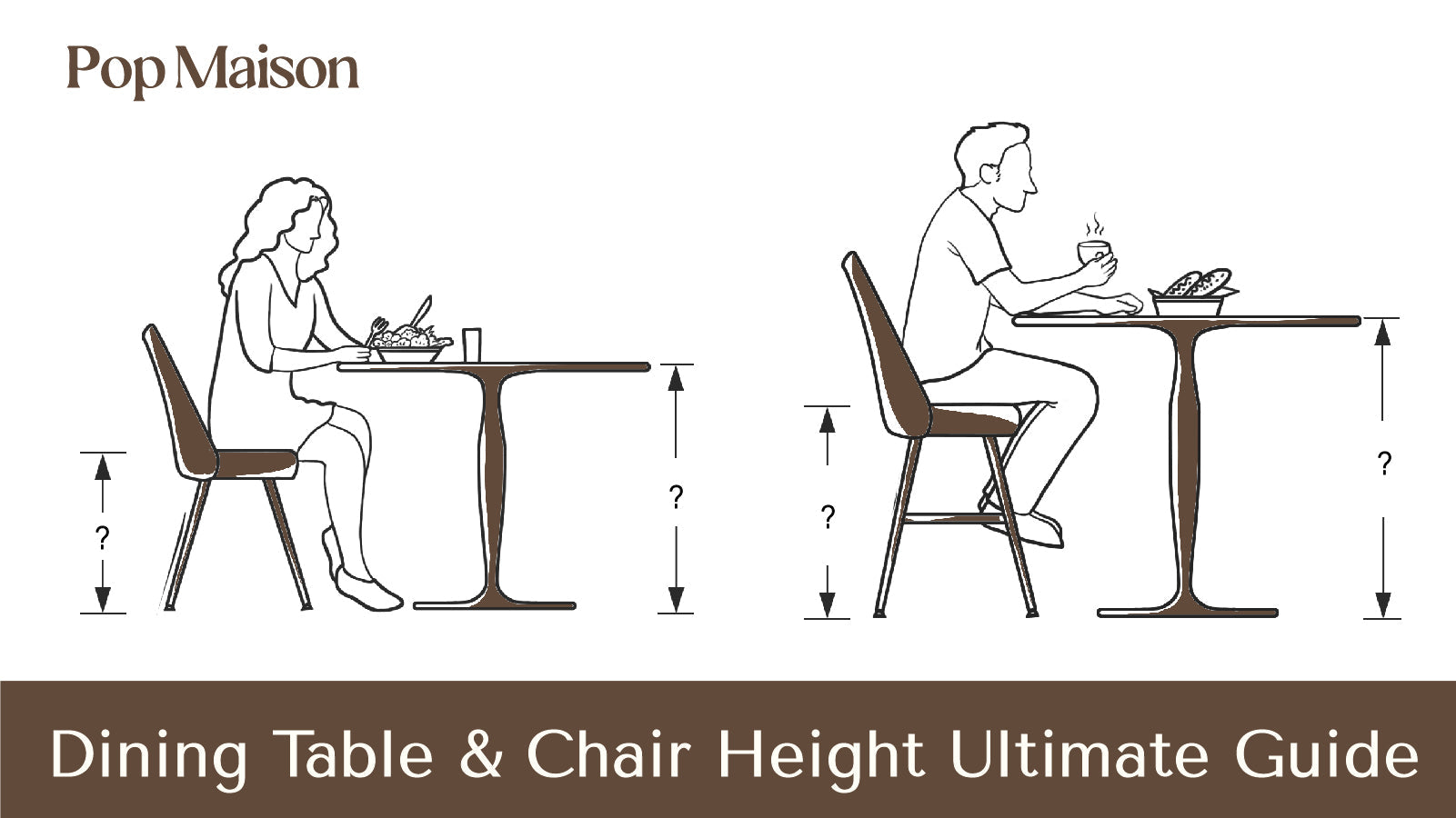
The foundation of dining table ergonomics rests on precise height measurements that manufacturers have refined over decades. Most dining tables stand between 28 and 31 inches tall, with the sweet spot landing at 29-30 inches for the average adult. This specific range exists because it accommodates standard leg lengths when paired with appropriately sized chairs. A table outside this range creates immediate physical consequences—too low forces slouching and rounded shoulders, while too high elevates your elbows unnaturally, straining shoulder muscles throughout the meal.
Width and length specifications determine seating capacity but also affect comfort. Rectangular tables, the most space-efficient shape, typically range from 2’6″ to 4’6″ wide and 3’6″ to 10′ long. However, the critical measurement for individual comfort is width per person—plan for 24 inches of table edge per adult to ensure adequate elbow room. You can reduce this to 20 inches in tighter spaces or when seating children, but anything less creates noticeable crowding that disrupts the dining experience.
Don’t confuse dining table height with counter height surfaces, which measure 34-36 inches tall. This six-inch difference reflects the distinct body positions required for eating versus food preparation. Selecting counter-height furniture for dining creates fundamental ergonomic problems that manifest as discomfort during meals.
How to Verify Your Table Height Matches Your Body
Stand beside your dining table and check these indicators:
– Your elbows should rest comfortably on the table with shoulders relaxed
– Your knees should clear the table apron without contact when seated
– Your feet should rest flat on the floor without dangling
If you find yourself leaning forward to reach the table or tucking your knees awkwardly beneath it, your table height likely doesn’t match your body proportions.
Chair Dimensions That Prevent Leg Numbness
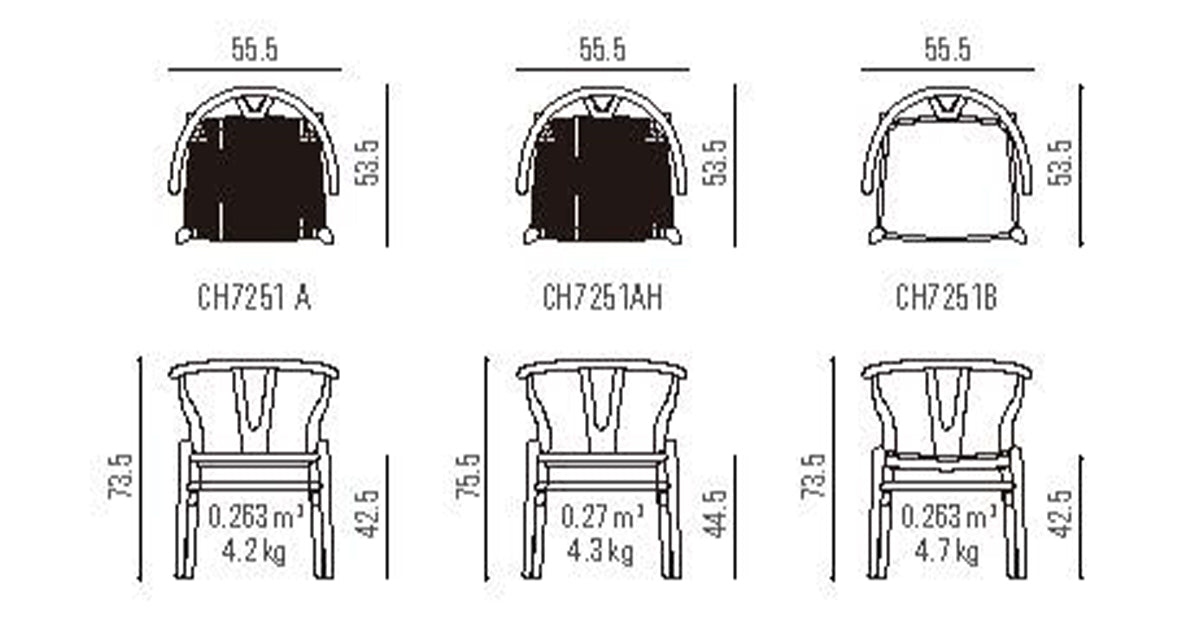
Dining chairs receive less attention than tables during purchase decisions, yet they determine comfort more directly than any other factor. Standard dining chair seat heights range from 17 to 20 inches from floor to seat top. This specification exists to create the correct vertical relationship with standard table heights. When evaluating chairs, subtract the seat height from your table height—this calculation reveals your seat-to-tabletop gap, the most critical ergonomic measurement.
Seat width and depth complete the comfort equation. Adequate seat width should measure at least 18 inches to support adult users without feeling confined. Seat depth—measured from the front edge to the backrest—should range from 16 to 18 inches. This range provides sufficient thigh support without creating pressure behind the knees or forcing you to slouch to maintain contact with the backrest.
Why Your Dining Chair Feels Uncomfortable After 20 Minutes
Before purchasing chairs, sit down and perform this quick test:
– Place feet flat on the floor with knees bent at 90 degrees
– Check that your thighs feel fully supported without pressure behind the knees
– Verify your back rests comfortably against the backrest without effort
– Ensure your arms can rest on an imaginary table with shoulders relaxed
Chairs with shallower seats cause you to slide forward unconsciously; chairs with excessive depth fail to support your thighs properly, creating pressure points that lead to numbness.
The 10-Inch Secret to Pain-Free Dining

Among all ergonomic measurements, the vertical distance between your chair seat and tabletop matters most for lasting comfort. This gap—often called the “seat-to-tabletop clearance”—should measure between 9 and 12 inches, with 10 inches representing the optimal target for most people. This precise space provides adequate room for knees and thighs while allowing arms to rest comfortably on the table without elevating shoulders.
Calculate your gap by subtracting your chair’s seat height from your table height. A 30-inch table with 18-inch chairs yields a 12-inch gap—acceptable but potentially too spacious for shorter individuals. A 29-inch table with 20-inch chairs produces a 9-inch gap—workable but may feel cramped for taller adults. A 28-inch table with 20-inch chairs creates an 8-inch gap that likely causes constant knee contact with the table underside.
What Happens When Your Gap Is Too Small or Too Large
Too small (under 9 inches):
– Knees constantly bump the table apron
– Forces you to sit at an awkward angle away from the table
– Creates pressure behind the knees, reducing circulation
– Leads to slouching as you try to find a comfortable position
Too large (over 12 inches):
– Requires elevated shoulder position to reach the table
– Causes neck and upper back strain over time
– Forces you to lean forward, compromising spinal alignment
– Makes utensil control more difficult, especially for children
36 Inches: The Magic Number for Room Circulation
The “use footprint” of your dining area extends far beyond the tabletop dimensions. A common and costly mistake involves measuring only the table’s size while ignoring space needed for chairs and movement. The result looks beautiful in showroom photos but functions poorly in daily life—guests struggle to sit down, chairs bump walls, and traffic flow becomes an obstacle course.
Standard clearance recommendations specify at least 36 inches between the table edge and the nearest wall or furniture. This measurement allows guests to pull out chairs without hitting obstacles and creates a functional path for movement around the table. For a more spacious, luxurious feel, aim for 42-48 inches of clearance. In smaller apartments, you might work with a minimum of 30 inches, though movement will feel constrained.
How to Avoid Costly Furniture Mistakes Before Buying
Before purchasing a table, follow these steps:
1. Use painter’s tape to mark the table’s footprint on your floor
2. Place chairs around the taped area and test chair movement
3. Verify you can walk behind seated chairs with at least 36 inches clearance
4. For extendable tables, mark both closed and fully extended configurations
5. Test the path from kitchen to table with a tray to ensure serving is practical
This simple process prevents expensive mistakes and ensures your dining area functions as well as it looks.
Why Armrests Are Secret Dining Table Enemies
Several recurring errors plague dining furniture selection, each creating specific comfort problems that persist for years. Understanding these pitfalls helps you avoid them whether shopping for new furniture or troubleshooting an existing setup.
The tabletop size myth assumes that dimensional fit within a room guarantees functional fit. This ignores the use footprint entirely. A beautiful, large table becomes functionally useless when clearance constraints prevent comfortable seating or movement around it. Prioritize circulation space over maximum table size—the most elegant table provides no value if you cannot sit at it comfortably.
Armrest and table apron collisions create frustration that surfaces only after purchase. Chairs with armrests must slide under the table, which requires measuring armrest height against the distance from the floor to the bottom of the table’s apron. If armrests exceed this measurement, chairs cannot tuck in properly, consuming valuable floor space and disrupting clearance zones.
Thick table aprons or skirt rails reduce effective legroom even when seat-to-tabletop gap measurements appear correct. Always check horizontal clearance under the table to ensure adequate knee space—especially important for tables with substantial structural elements between the legs.
Transforming Your Dining Table into a Functional Workspace
The pandemic transformed many dining tables into full-time workstations, revealing their limitations for prolonged use. Standard dining tables measure 29-30 inches high—similar to desk height—but this similarity masks fundamental differences in purpose. Dining chairs lack the adjustability and support features of ergonomic office chairs, and dining tables rarely accommodate monitors, keyboards, and documents efficiently.
Studies indicate that home office spaces lacking ergonomic design increase risks of back pain, neck pain, poor posture, low metabolic rate, respiratory dysfunction, and stress. Dining chairs were designed for short meal durations, not eight-hour work sessions. Using a dining table as a desk can lead to organizational challenges and physical discomfort that compound over time.
An adjustable-height office chair without armrests offers a partial solution for those who must work at dining tables, allowing customization to achieve proper posture. However, dedicated ergonomic office chairs with customizable seat depth, height, armrests, and lumbar support provide superior support for prolonged sitting. The best office chairs move with you as posture shifts throughout the day, with backrests that conform to your spine’s natural curve while discouraging slouching.
Square vs. Round: How Table Shape Affects Comfort
Matching table shape to room geometry enhances both aesthetics and functionality. Square rooms accommodate square or round tables efficiently, maximizing seating while maintaining balanced proportions. Long, rectangular rooms suit oval or rectangular tables that fill the space appropriately and accommodate more guests comfortably.
Round tables offer advantages in small spaces and promote equal conversation among all diners, but they typically seat fewer people than rectangular tables of equivalent footprint. Square tables work well in small dining areas but limit seating to four people in their standard configuration. The choice depends on your room dimensions, typical group size, and aesthetic preferences—all while maintaining the ergonomic principles discussed throughout this guide.
Your Step-by-Step Measurement Checklist
Successful dining furniture selection requires systematic measurement before shopping. Document your room dimensions including length and width, then subtract six feet from each measurement to find the maximum table dimensions that will fit comfortably. This rule of thumb ensures adequate clearance on all sides.
Verify that table height falls within 28-31 inches. Allocate 20-24 inches of table edge per person for seating capacity calculations. For extendable tables, calculate footprint for the fully extended configuration. Confirm chair seat height measures 17-20 inches. For chairs with armrests, verify that armrest height remains below table apron height to allow proper tuck-in. Finally, calculate the seat-to-tabletop gap and confirm it falls within the 9-12 inch optimal range.
These measurements form a checklist that eliminates guesswork from furniture selection. When every dimension falls within recommended ranges, your dining setup supports comfortable meals and lasting physical health.
Why Your Dining Table Needs Seasonal Checkups
Furniture selection represents only the beginning of ergonomic dining. Periodic reassessment becomes important as household composition changes, children grow, or physical needs evolve with age. The goal remains consistent: creating a space where users sit with feet comfortably on the ground, elbows just above the table, and with a natural 90-degree angle at the hips that discourages slouching.
A dining table serves as more than furniture—it functions as a gathering place for meals, conversations, and memory creation. Ensuring every guest and family member experiences comfort transforms the table into a space where people want to gather repeatedly. The investment in understanding and applying dining table ergonomics pays dividends in physical comfort and overall dining enjoyment for all who share your table.