Your workspace layout directly impacts productivity, comfort, and long-term health—but most floor plans ignore critical design ergonomics floor plan principles that could transform your environment. Whether you’re arranging a dental office, corporate workspace, or healthcare facility, strategic spatial planning minimizes physical strain while maximizing operational efficiency. Studies show properly designed ergonomic environments reduce musculoskeletal disorders by up to 50% while boosting productivity by 15-25%. This guide reveals exactly how to implement proven ergonomic floor plan strategies that deliver measurable improvements in comfort, efficiency, and employee satisfaction—without requiring massive renovations or budget overhauls.
Optimize Spatial Flow and Movement Patterns

Your team’s daily movement patterns reveal hidden efficiency killers that proper design ergonomics floor plan implementation can eliminate. Instead of forcing staff to navigate around obstacles, create clear pathways between workstations that follow natural traffic flows. Map your current workflow by observing team movements during peak hours—you’ll likely discover unnecessary backtracking and congestion points that waste valuable time. Implement the triangular work zone principle by positioning your primary work surface, essential equipment, and frequently used supplies within optimal reach distance to minimize excessive reaching and twisting.
How to fix inefficient movement patterns in 3 steps:
– Track walking distances between key stations for one week
– Identify 2-3 major bottlenecks causing unnecessary movement
– Reconfigure equipment placement to create logical progression paths
Dental practices that implement these spatial flow improvements typically reduce room turnaround time by 20-30% while decreasing staff fatigue. The key is designing spaces that guide natural movement rather than working against it—when sterilization centers position strategically relative to treatment rooms, clinical teams experience dramatically smoother transitions between patients.
Select Ergonomic Furniture and Workstations
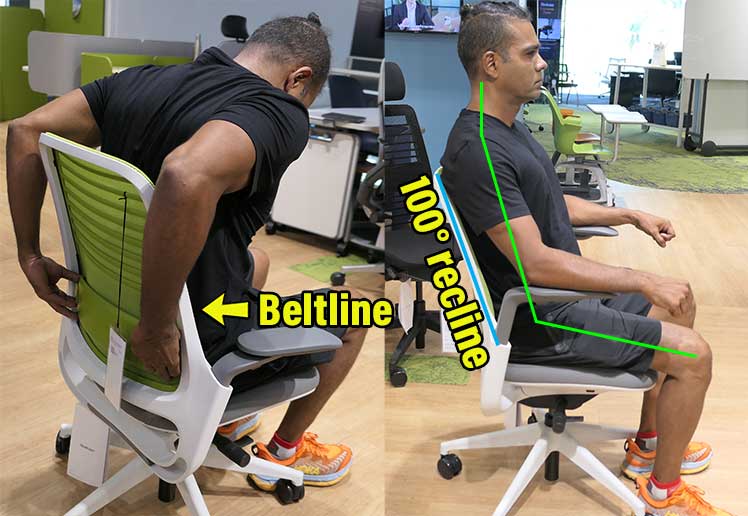
Your chair selection makes or breaks your design ergonomics floor plan implementation—employees spend 60-70% of their workday seated, making proper support essential. Look for chairs with adjustable lumbar support that maintains your spine’s natural curve, height adjustment allowing feet to rest flat on the floor, and breathable mesh backs that prevent overheating. When positioning chairs within your floor plan, ensure the keyboard sits close enough to avoid excessive reaching while monitors align at eye level to prevent neck strain.
Critical workstation setup checklist:
– Desk height allowing elbows to form 90-degree angles when typing
– Monitor positioned at arm’s length away with top at or slightly below eye level
– Adequate legroom without obstruction from cabinet bases or equipment
Wall-mounted storage solutions outperform traditional side cabinets in dental treatment rooms by freeing valuable floor space and keeping essentials within optimal reach. Avoid the common mistake of installing cabinets that block access to work surfaces—these force clinicians into awkward postures that cause cumulative strain injuries over time.
Master Environmental Design Factors
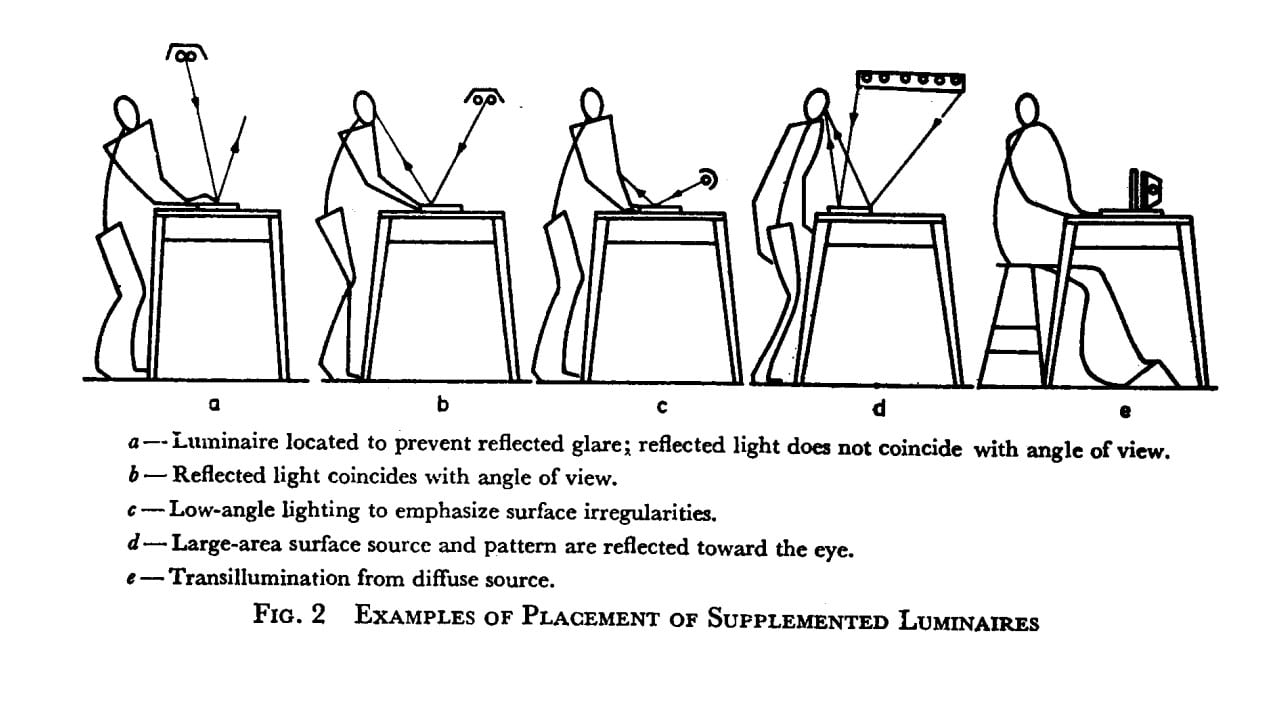
Lighting conditions significantly impact visual comfort and productivity in your design ergonomics floor plan—natural light should drive your spatial arrangement whenever possible. Position workstations to maximize natural light exposure while incorporating adjustable blinds to control glare. Supplement ambient lighting with task-specific fixtures that illuminate work surfaces without creating screen glare. For dental operatories, ensure treatment areas receive 500-1000 lux of illumination with color rendering index (CRI) above 90 for accurate tissue differentiation.
Acoustic management proves equally critical in open office environments where noise disrupts concentration. Implement these sound control strategies:
– Install acoustic panels on walls and ceilings to absorb sound reflections
– Position quiet work zones away from high-traffic areas
– Use white noise systems in collaborative spaces to mask distracting sounds
Poor air quality and uncomfortable temperatures undermine even the best design ergonomics floor plan. Incorporate plants to improve air quality while creating calming visual environments, and ensure proper ventilation maintains comfortable humidity levels between 30-60%.
Design Specialized Clinical Spaces
Dental treatment rooms demand specialized ergonomic considerations due to the unique physical demands of clinical work. Position the dental chair, delivery systems, and support equipment to minimize awkward postures that strain necks and backs during procedures. Four-handed dentistry setups require precise spatial relationships between dentist, assistant, and equipment to enable efficient instrument transfer without excessive movement.
Strategically position sterilization centers to reduce transit times between procedures while maintaining clean-to-dirty workflow separation. The ideal sterilization area should connect directly to treatment rooms with a dedicated pass-through window to prevent cross-contamination. Avoid the common pitfall of installing side cabinets in treatment rooms—they obstruct workflow, force clinicians into awkward positions, and create safety hazards from accumulated cables and instruments.
Create Productive Office Workspaces
Corporate office environments benefit significantly from targeted design ergonomics floor plan strategies that balance collaboration needs with focused work requirements. Position collaborative zones away from quiet work areas to minimize disruption while keeping them accessible enough to encourage spontaneous interaction. Implement height-adjustable desks that allow employees to alternate between sitting and standing positions throughout the day—this simple adjustment reduces back pain by 54% according to recent studies.
Break areas positioned within a 2-3 minute walk from primary workstations provide essential mental recovery without significantly disrupting workflow. These restorative spaces should offer comfortable seating, access to refreshments, and environmental conditions that support disengagement from work tasks. When planning your office layout, ensure walkways remain clear of obstructions while keeping necessary equipment readily accessible where needed most.
Streamline Implementation Process
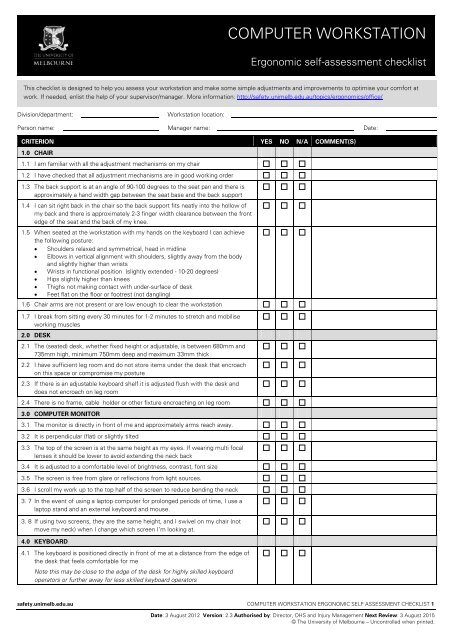
Implementing effective design ergonomics floor plan improvements begins with thorough assessment of your current space. Document desk heights, chair adjustability, lighting quality, and noise levels through direct measurement and employee feedback. Observe actual work activities to identify inefficiencies invisible in static floor plans—this reveals where staff waste time navigating poor spatial arrangements.
Follow this 4-phase implementation roadmap:
1. Assessment: Evaluate current furniture, equipment, and layout configurations
2. Analysis: Identify ergonomic issues and prioritize based on impact
3. Planning: Develop clear objectives for comfort, productivity, and workflow
4. Execution: Implement changes with attention to precise setup details
Most organizations complete initial ergonomic improvements within 4-6 weeks when following this structured approach. The key is starting with high-impact, low-cost changes before investing in major renovations.
Budget Professional Design Services
Professional design ergonomics floor plan services deliver substantial returns through improved efficiency and reduced health-related costs. Most firms offer tiered services to match different needs and budgets:
- As-built CAD drawings ($2,000+): Precise documentation of existing conditions for accurate planning
- Blocking diagrams ($1,600): Rapid visualization of different configurations before commitment
- Comprehensive floor plans ($5,000+): Detailed design incorporating acoustics, clinical flow, and psychological impacts
These investments typically represent less than 1% of total project budgets while delivering significant operational improvements. Many design firms offer free 30-minute discovery calls to discuss your specific needs—take advantage of these consultations to gain valuable insights before committing to paid services.
Sustain Ergonomic Design Excellence
True design ergonomics floor plan success requires ongoing maintenance and adaptation as organizational needs evolve. Implement quarterly workstation assessments where employees evaluate their comfort levels and identify emerging issues. Train staff to recognize early signs of ergonomic problems like persistent discomfort or frequent adjustments to their seating position.
Invest in modular furniture systems that can be reconfigured without complete replacement as your team’s needs change. This approach extends the useful life of your spatial investments while maintaining ergonomic benefits. Remember that even the best design ergonomics floor plan requires periodic refinement—schedule annual reviews to ensure your workspace continues supporting both productivity and well-being as your organization grows and evolves. The most successful implementations treat ergonomic design as an ongoing commitment rather than a one-time project, delivering cumulative benefits that grow more valuable with each passing year.