Author: Md Nur Nobi
-
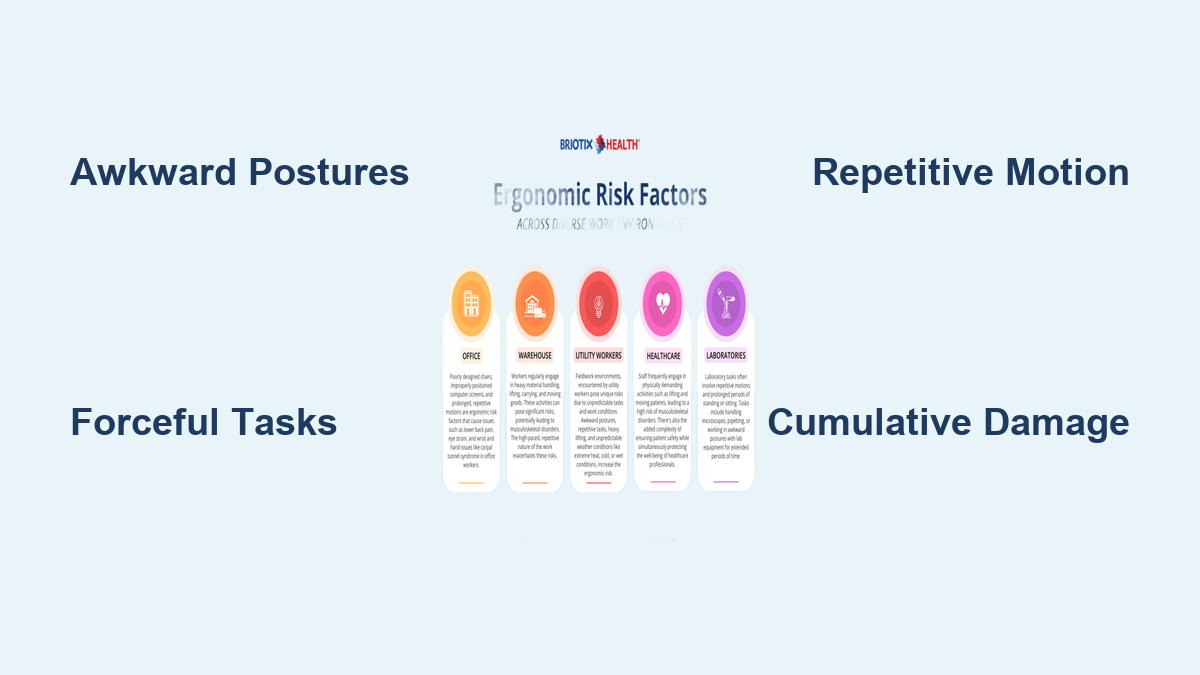
Ergonomic Risk Factors: Identification and Solutions
Millions of workers experience musculoskeletal pain directly linked to preventable ergonomic risk factors in their daily tasks. These risk factors—awkward postures, high force requirements, and repetitive movements—work individually or together to damage muscles, tendons, nerves, and joints over time. When you perform work tasks that force your body out of neutral alignment while applying excessive…
-
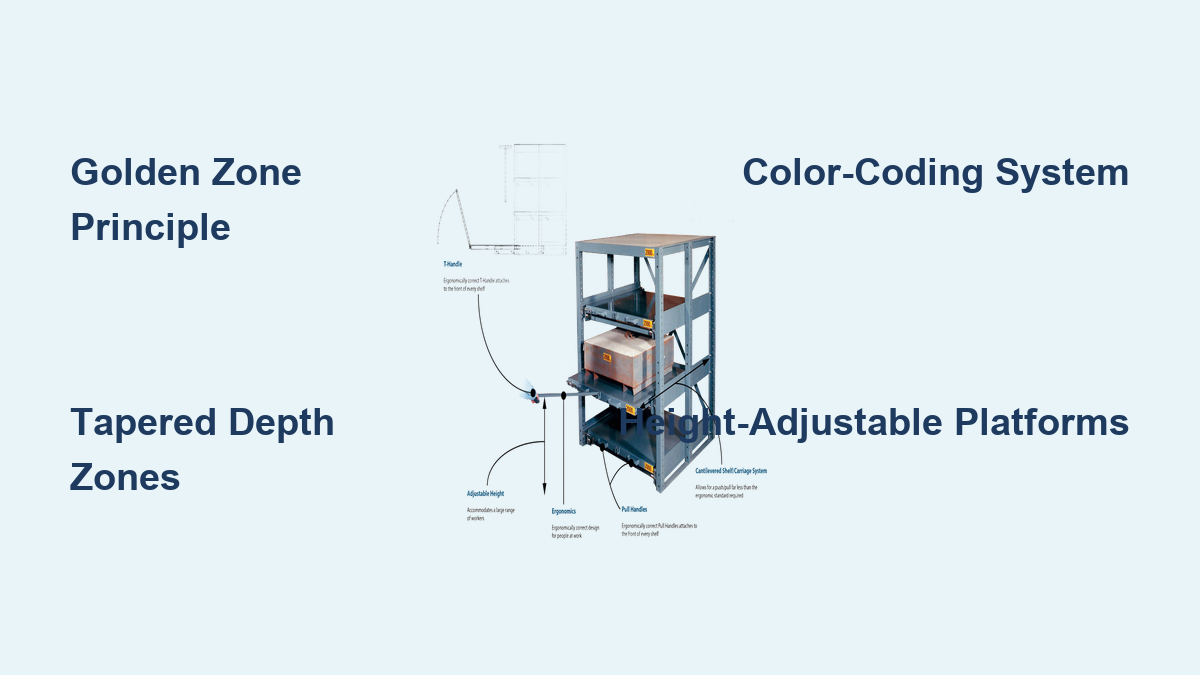
Best Ergonomic Rack Designs (2026 Guide)
You’ve invested in a supposedly “ergonomic” storage rack system, only to find your team complaining of back strain, repetitive stress injuries, and inefficient workflows. This isn’t an isolated issue—studies show poorly designed racks contribute to 27% of warehouse musculoskeletal disorders, yet most businesses treat rack ergonomics as an afterthought. The truth? True ergonomic rack design…
-
Best Ergonomic Patient Positions (2026 Guide)
Improper patient positioning causes preventable complications for both patients and healthcare providers every day. When you position patients ergonomically, you’re not just making them comfortable—you’re actively preventing pressure injuries, improving respiratory function, reducing aspiration risk, and protecting yourself from career-ending injuries. With healthcare workers experiencing some of the highest rates of musculoskeletal injuries across all…
-
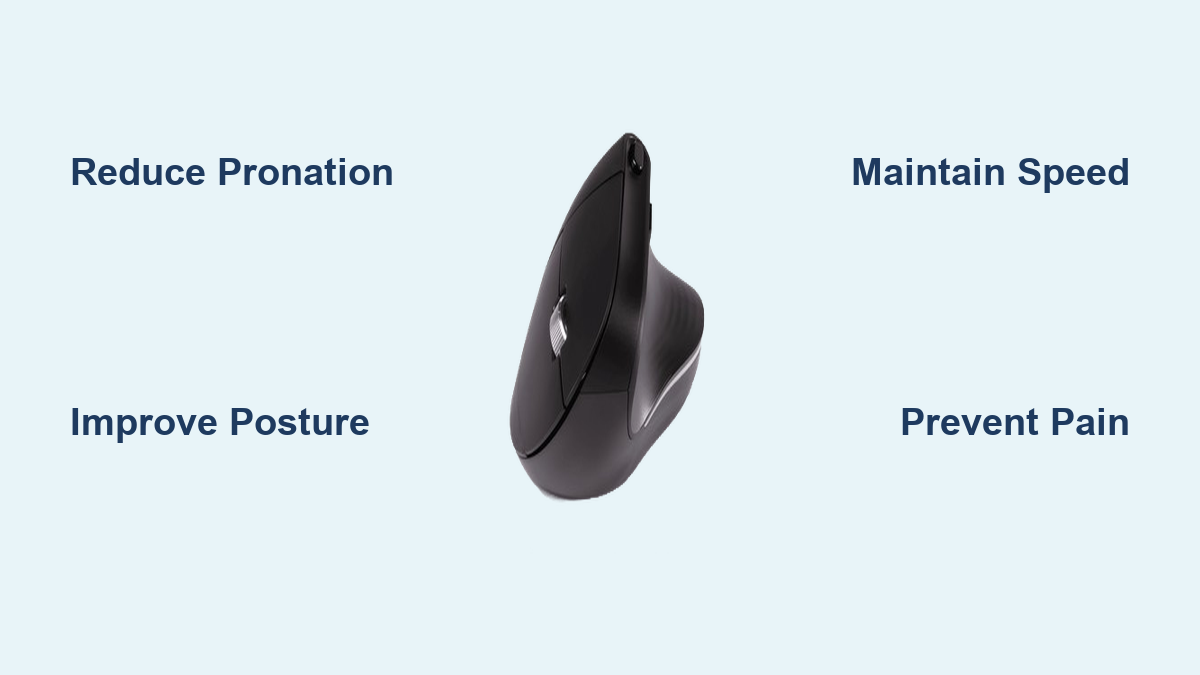
Ergonomic Mouse Benefits Explained
You click your mouse nearly three times more often than your keyboard during a typical workday, yet most people pay little attention to how this constant interaction affects their body. That seemingly harmless flat mouse sitting beside your keyboard forces your forearm into a pronated position—palm facing down—that creates cumulative strain on your wrist tendons…
-
Ergonomic Mopping Techniques: Easy Tips for Less Strain
Mopping shouldn’t leave you feeling like you’ve run a marathon. Yet millions of people experience back pain, shoulder strain, and persistent fatigue after what should be a simple household chore. The culprit? Most of us are using improper ergonomic mopping techniques that place unnecessary stress on our bodies. When you bend, reach, and twist incorrectly…
-
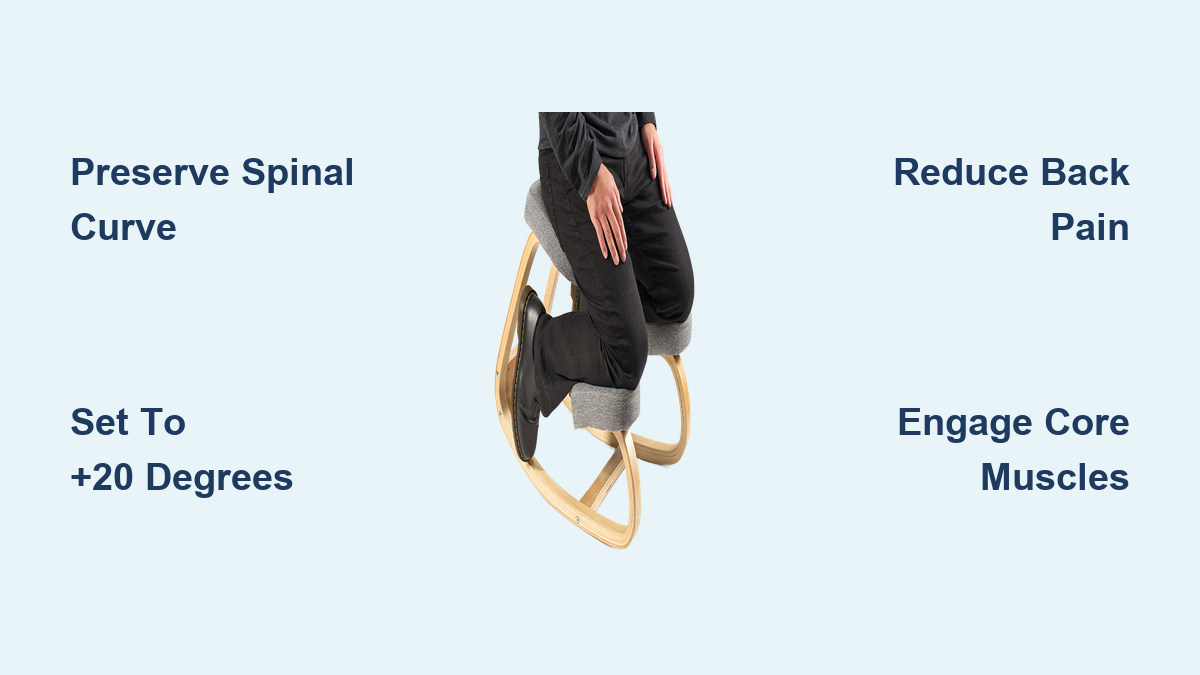
Ergonomic Kneeling Chair Benefits Explained
If you’ve ever felt that familiar ache creeping up your lower back after hours at your desk, you’re not alone. Millions of office workers struggle with back discomfort caused by conventional seating that forces the spine into unnatural positions. Traditional office chairs, despite their padded seats and adjustable features, often fail to maintain the lumbar…
-
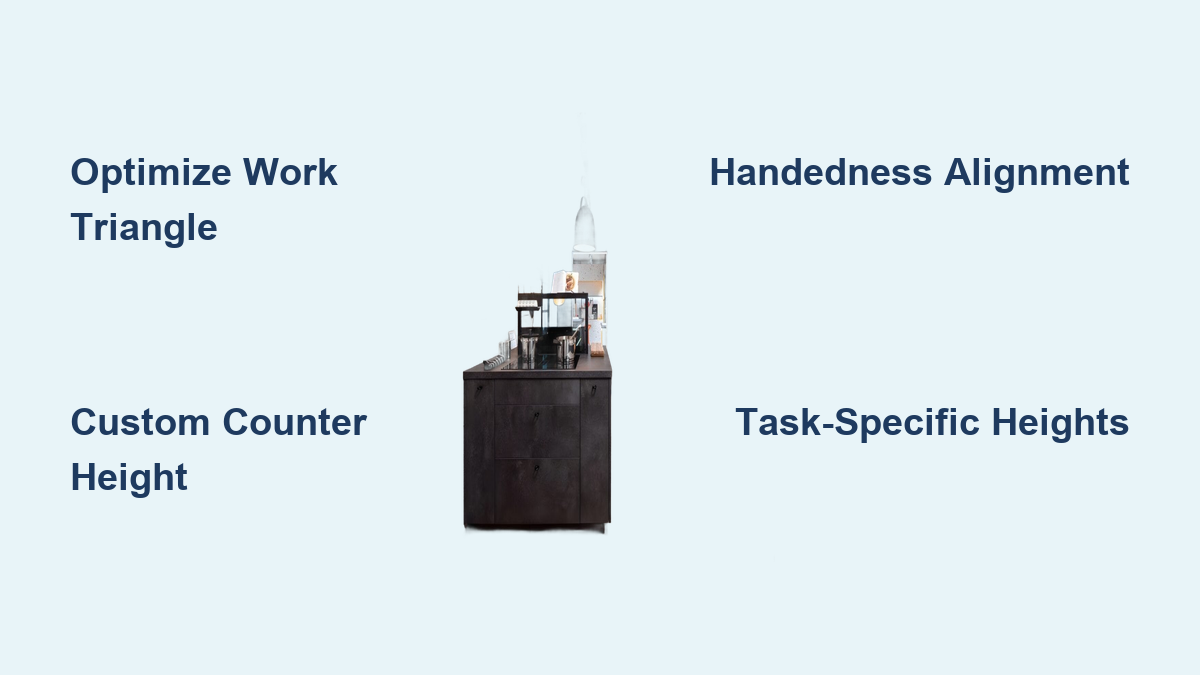
Ergonomic Kitchen Layout Design Tips
Cooking shouldn’t leave you exhausted before dinner even hits the table. An intelligently planned ergonomic kitchen design layout transforms meal preparation from a physically demanding chore into a smooth, enjoyable process that works with your body rather than against it. The right kitchen configuration can reduce physical strain by up to 40% during food preparation…
-
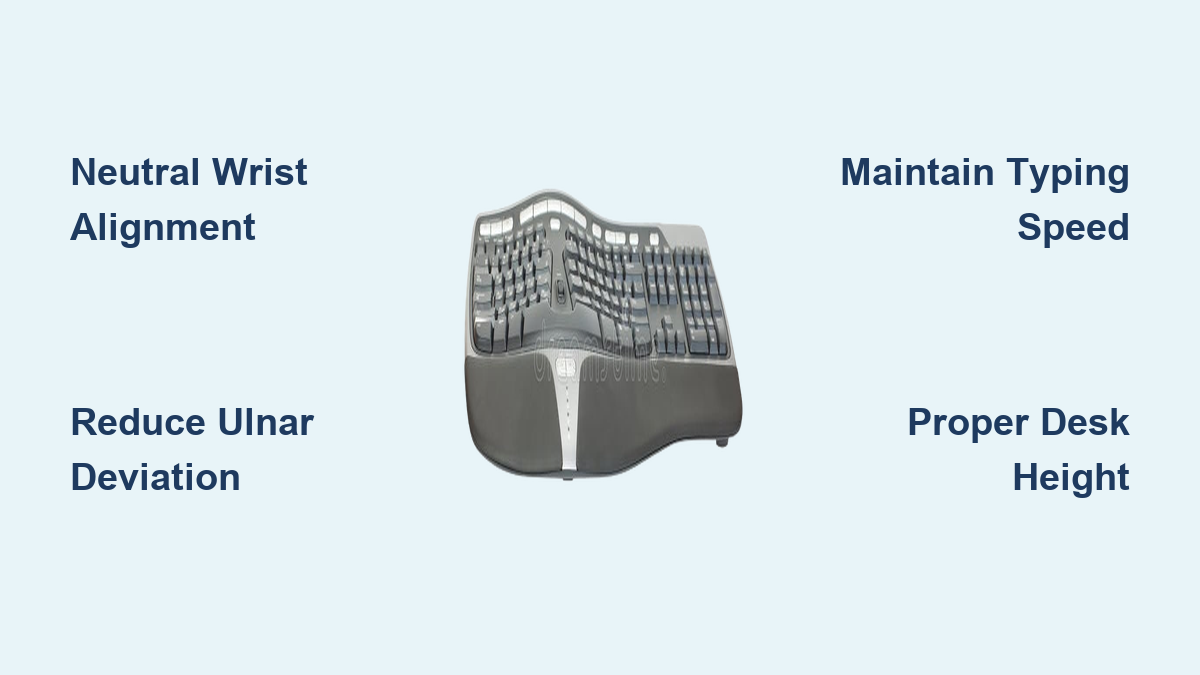
Ergonomic Keyboard Benefits Explained
If you’ve ever felt wrist pain, finger fatigue, or shoulder tension after a day of typing, you’re not alone. Millions of professionals experience these symptoms as cumulative damage builds from hours at conventional keyboards. The critical question isn’t whether these discomforts occur—it’s whether switching to an ergonomic keyboard actually delivers meaningful, lasting relief or if…
-
Ergonomic Health Issues Solved
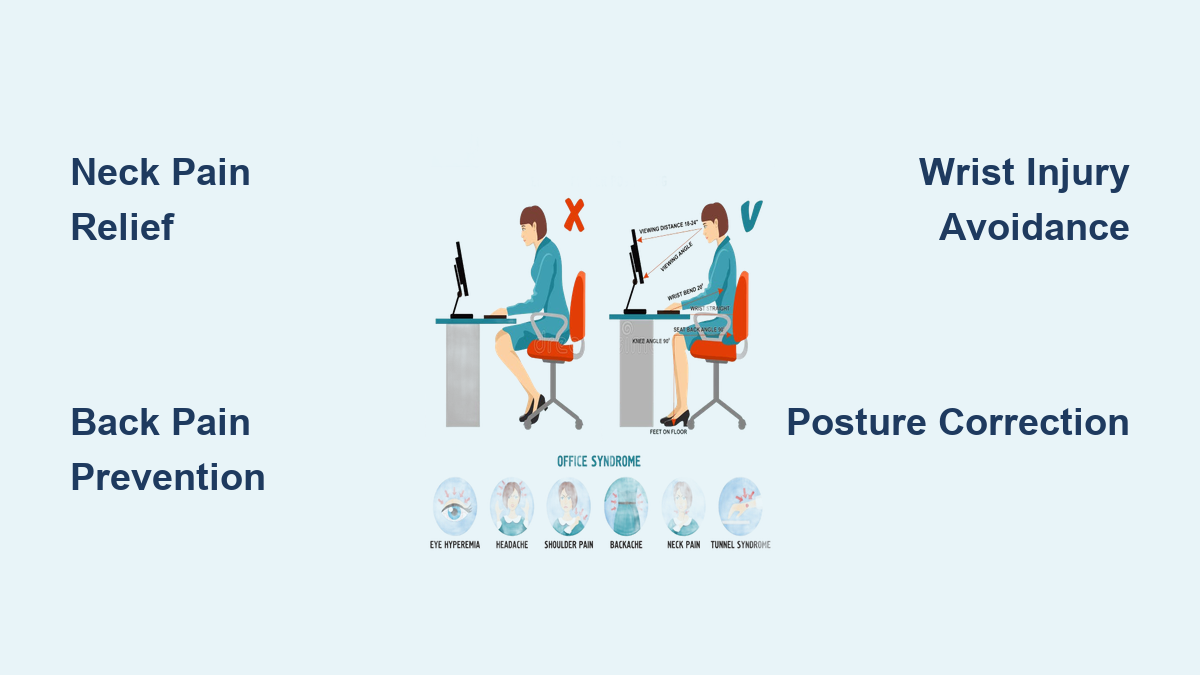
You’ve probably felt it before—that persistent ache in your neck after hours at your desk, the tingling in your fingers from constant typing, or the lower back pain that follows you home from work. These aren’t just normal “work fatigue” symptoms; they’re early warning signals of ergonomic health issues that affect millions of workers across…
-
Ergonomic Handle Design: Comfort & Grip Tips
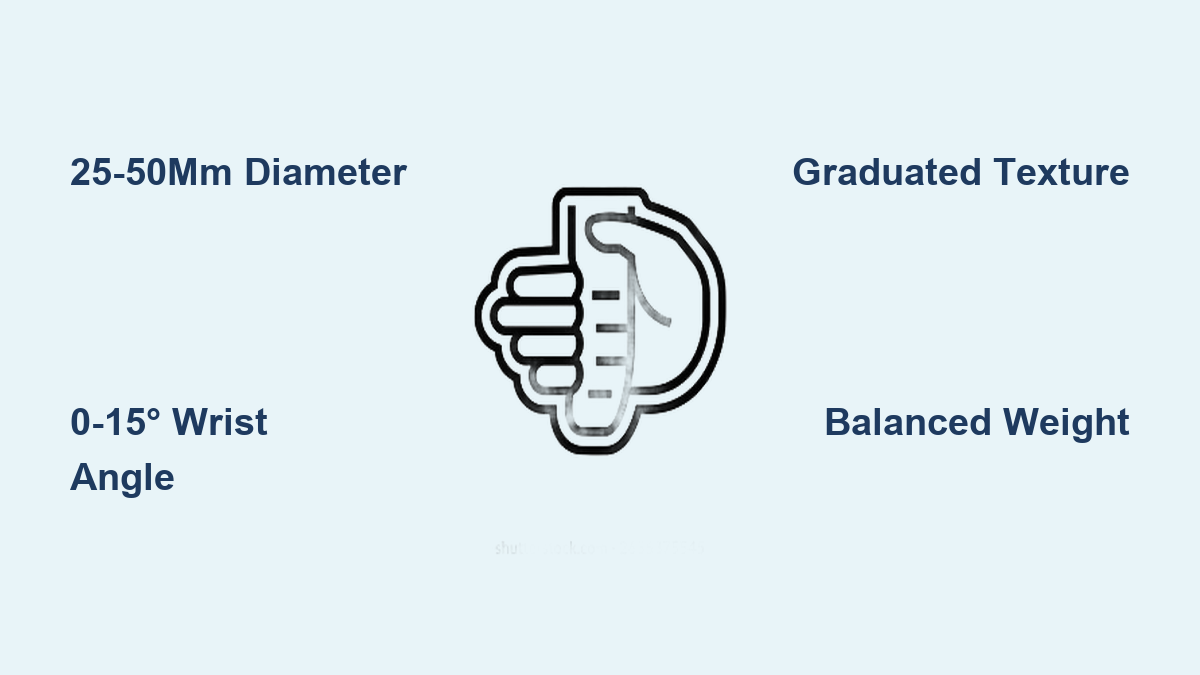
Your hand aches after using a power drill for just 20 minutes. The kitchen knife slips during chopping. That office mouse gives you wrist pain by lunchtime. These aren’t random frustrations—they’re direct consequences of poor ergonomic handle design. When handles ignore human anatomy, they force your muscles into unnatural positions, accelerating fatigue and increasing injury…