Your hand shouldn’t ache after carrying a water bottle for 20 minutes. Yet anyone who’s hiked with a standard cylindrical container knows the discomfort of developing hand cramps while trying to stay hydrated. Ergonomic bottle design solves this problem by engineering containers that fit your hand’s natural shape rather than forcing your grip to conform to an awkward shape. These thoughtfully crafted bottles transform a simple hydration tool into a comfortable extension of your hand, eliminating pressure points and reducing fatigue during extended use—whether you’re hiking trails, cycling through city streets, or simply commuting to work.
The science behind effective ergonomic bottle design combines anthropometric research with practical engineering to create products that work with your body rather than against it. When you find a bottle that truly fits your hand, you’ll notice immediate comfort improvements and find yourself drinking more consistently throughout the day. This guide reveals the specific design elements that distinguish genuinely ergonomic bottles from standard alternatives, helping you select a container that supports your hydration habits without causing hand strain or accidental drops.
How Contoured Bottle Shapes Eliminate Hand Cramps During Long Walks
Ergonomic bottle design fundamentally transforms how bottles interact with your hand by replacing uniform cylindrical shapes with contours that match your palm’s natural curvature. Unlike standard bottles that force your fingers to wrap tightly around a smooth surface, creating uncomfortable pressure points, ergonomic designs distribute grip force across a broader area of your hand. This strategic shaping means your muscles don’t have to work overtime to maintain control, significantly reducing fatigue during extended carrying periods.
The optimal grip diameter for ergonomic bottles typically ranges between 2.5 to 3.5 inches—a dimension engineered to match how your hand naturally closes. When your fingers can wrap completely around without overlapping or straining to meet, you maintain a secure hold with minimal effort. This seemingly small design detail makes the difference between a bottle you forget you’re holding and one that constantly demands your attention with growing discomfort.
Key grip features that prevent hand fatigue:
– Strategic contouring that follows the natural curve of your palm
– Variable diameter sections that accommodate different finger positions
– Textured zones precisely placed where your thumb and fingers apply the most pressure
– Tapered transitions between grip areas that prevent sharp edges from creating pressure points
Prevent Slips: Textured Grip Patterns That Work With Wet or Gloved Hands
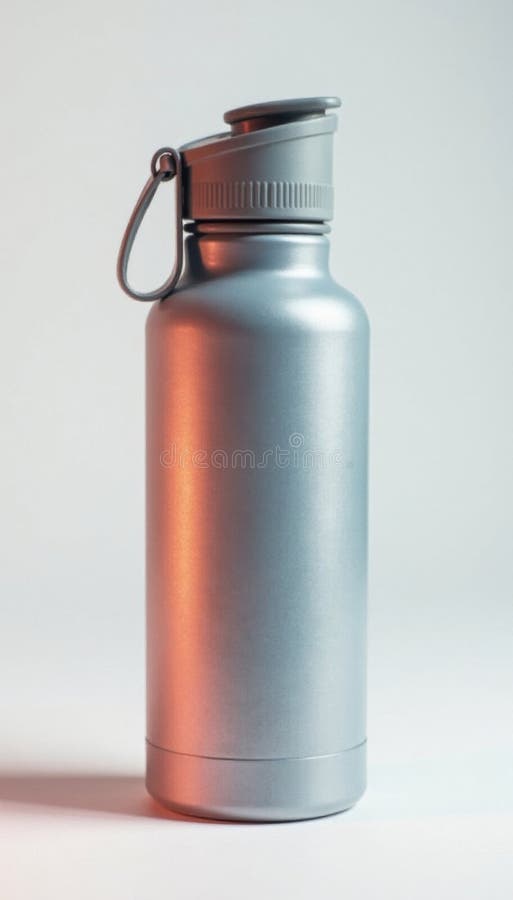
Even the most comfortable grip fails if it can’t maintain security when conditions change. True ergonomic bottle design incorporates surface textures specifically engineered to maintain traction whether your hands are dry, sweaty, or covered with gloves. This secure hold technology addresses the frustrating reality of nearly dropping your bottle during critical moments—whether navigating a hiking trail, cycling through traffic, or simply reaching for hydration during an intense workout.
The most effective textured patterns create microscopic channels that channel away moisture while maintaining contact points between your skin and the bottle surface. These patterns work through three key mechanisms:
- Micro-ridges that increase surface area contact without feeling abrasive
- Strategic dimpling that traps small amounts of moisture to actually improve grip (similar to tire treads)
- Variable texture zones that provide maximum friction where your thumb applies pressure
When testing bottles for secure grip performance, look for these real-world indicators:
– Water test: Spray the bottle with water and try gripping it firmly—does it slip immediately or maintain some traction?
– Glove compatibility: Can you securely hold the bottle while wearing light gloves?
– Sweat simulation: Rub your hands together to create moisture, then test grip security
Eliminate Pressure Points With Strategic Contouring
Advanced ergonomic bottles incorporate subtle but critical design elements that prevent the localized pressure points responsible for hand fatigue and discomfort. These strain reduction features work silently in the background, allowing you to carry your bottle for hours without noticing any developing discomfort—a true testament to effective ergonomic design.
The most innovative contouring techniques include:
- Pressure distribution curves that spread weight evenly across your palm rather than concentrating force at specific points
- Ventilation channels that create small air gaps between your hand and the bottle, reducing sweat buildup during warm conditions
- Flexible zones that absorb shock during high-impact activities like running or mountain biking
These features combine to create what ergonomic designers call “invisibility of use”—when the bottle becomes so comfortable that you forget you’re holding it. For office workers carrying bottles between meetings, hikers navigating rough terrain, or parents juggling multiple tasks, this comfort translates directly to more consistent hydration throughout the day.
Stop Leaks: Pressure-Equalized Lid Systems That Survive Temperature Changes
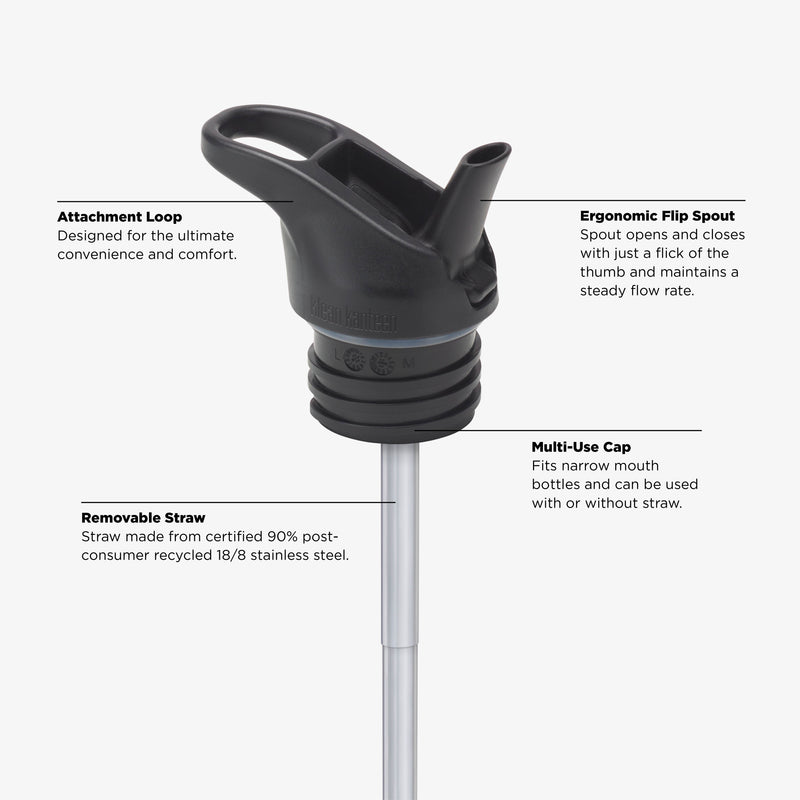
A bottle can have perfect grip ergonomics, but if it leaks in your bag, it fails its primary function. True ergonomic bottle design integrates leak-proof lid systems that maintain integrity through temperature fluctuations, altitude changes, and the inevitable bumps of daily use. The most advanced systems employ pressure-equalization technology that prevents the frustrating phenomenon of spontaneous leaking when bottles experience environmental changes.
Unlike basic screw-top lids that rely solely on compression seals, premium ergonomic bottles incorporate:
- Dual-seal mechanisms with primary and secondary barriers against leaks
- Controlled pressure relief that allows air exchange without liquid escape
- Impact-resistant closure systems that maintain seal integrity even after drops
When evaluating leak-proof performance, consider these real-world scenarios:
– Will it survive being tossed in a backpack during a hike?
– Does it maintain its seal when moving between air-conditioned offices and hot outdoor environments?
– Can you trust it in your work bag next to important documents?
Choose Materials That Maintain Grip Comfort Through Years of Use
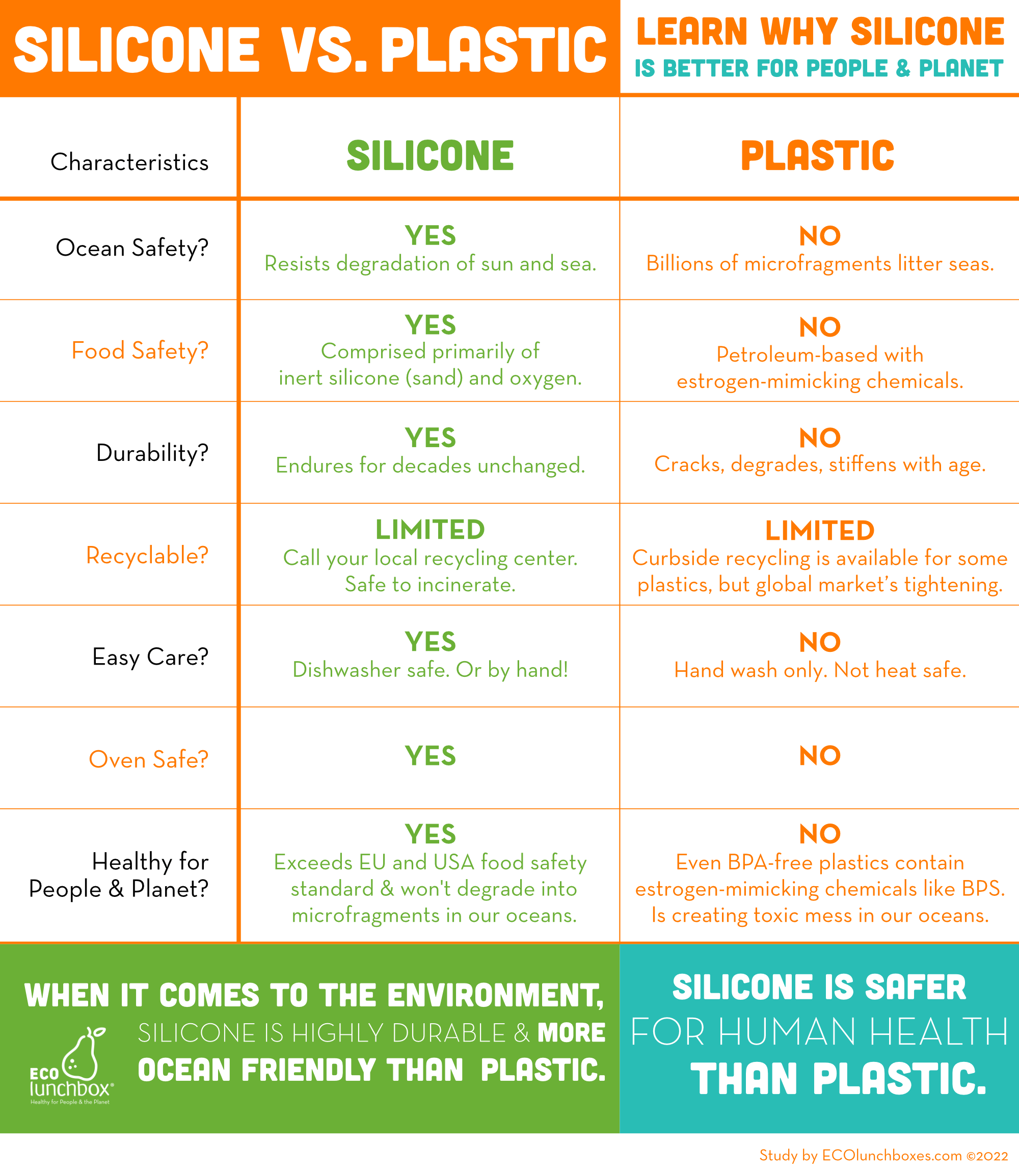
Ergonomic bottle design extends beyond initial comfort to ensure your bottle remains functional and pleasant to use throughout its lifespan. The materials used in construction directly impact how well the ergonomic features perform over time, especially the grip surface that must withstand repeated handling, cleaning, and environmental exposure.
Premium ergonomic bottles use materials that maintain their properties through thousands of uses:
– Food-grade silicone for grip zones that resists hardening and maintains flexibility
– Textured polymer blends that won’t become slippery as they age
– Impact-resistant composites that maintain shape integrity after repeated drops
Avoid bottles with these material red flags:
– Smooth plastic surfaces that become slippery when wet
– Painted textures that wear off after minimal use
– Materials that develop a “sticky” feel after repeated cleaning
Match Your Bottle to Your Specific Activity Requirements
Not all ergonomic bottles serve all purposes equally well. The most effective ergonomic bottle design aligns specifically with your primary use case, whether that’s intense athletic performance, outdoor adventure, or daily office use. Understanding these distinctions helps you select a bottle that truly meets your needs rather than settling for generic “ergonomic” claims.
For hiking and trail use, prioritize:
– Wider grip diameters that accommodate cold-weather gloves
– External carrying compatibility with backpack loops
– Robust construction that withstands pack impacts
For cycling applications, look for:
– Grip zones optimized for quick, secure handling with one hand
– Shape compatibility with standard bottle cages
– Condensation-resistant surface textures
For daily office use, consider:
– Sleek profiles that fit in standard cup holders
– Leak-proof systems that work with briefcase storage
– Aesthetic designs appropriate for professional environments
Maintain Your Ergonomic Bottle’s Performance With Proper Care
Even the best ergonomic bottle design degrades without proper maintenance. The seal components in leak-proof lids and the texture of grip surfaces require specific care to maintain their performance characteristics throughout the bottle’s lifespan.
Follow these maintenance protocols to preserve your bottle’s ergonomic properties:
– Regular seal inspection: Check rubber gaskets monthly for compression, cracks, or debris
– Gentle cleaning: Use soft brushes and mild detergents—avoid abrasive cleaners that degrade grip textures
– Complete drying: Allow all components to air dry thoroughly before reassembly to prevent mold growth in hidden crevices
Never subject your ergonomic bottle to these damaging practices:
– Dishwasher cleaning (unless specifically labeled dishwasher-safe)
– Exposure to extreme heat that can warp components
– Storage with the lid tightly closed while wet inside
Calculate Your True Value: Why Quality Ergonomic Bottles Outperform Cheap Alternatives
The higher price tag of quality ergonomic bottles often confuses first-time buyers, but the true value becomes apparent when calculating total cost of ownership. A well-designed ergonomic bottle typically delivers superior value through multiple channels that cheap alternatives simply cannot match.
Consider these value factors beyond initial purchase price:
– Comfort-driven usage: You’ll drink more consistently when your bottle is comfortable to carry
– Spill prevention: One leak in your work bag can damage electronics worth far more than your bottle
– Longevity: Quality ergonomic bottles often last 3-5 times longer than basic alternatives
When selecting your ergonomic bottle, focus on these critical performance indicators rather than just aesthetics or brand recognition:
– How does it feel in your actual hand during a 5-minute test hold?
– Does the grip maintain security when your hand is slightly damp?
– How easily can you operate the lid with one hand during simulated use?
The right ergonomic bottle design becomes an invisible partner in your hydration routine—comfortable enough to forget you’re holding it, reliable enough to trust in any situation, and durable enough to serve you for years of daily use. When you find this balance, you’ve discovered what truly effective ergonomic bottle design delivers: effortless hydration that supports your health without demanding your attention.
Leave a Reply