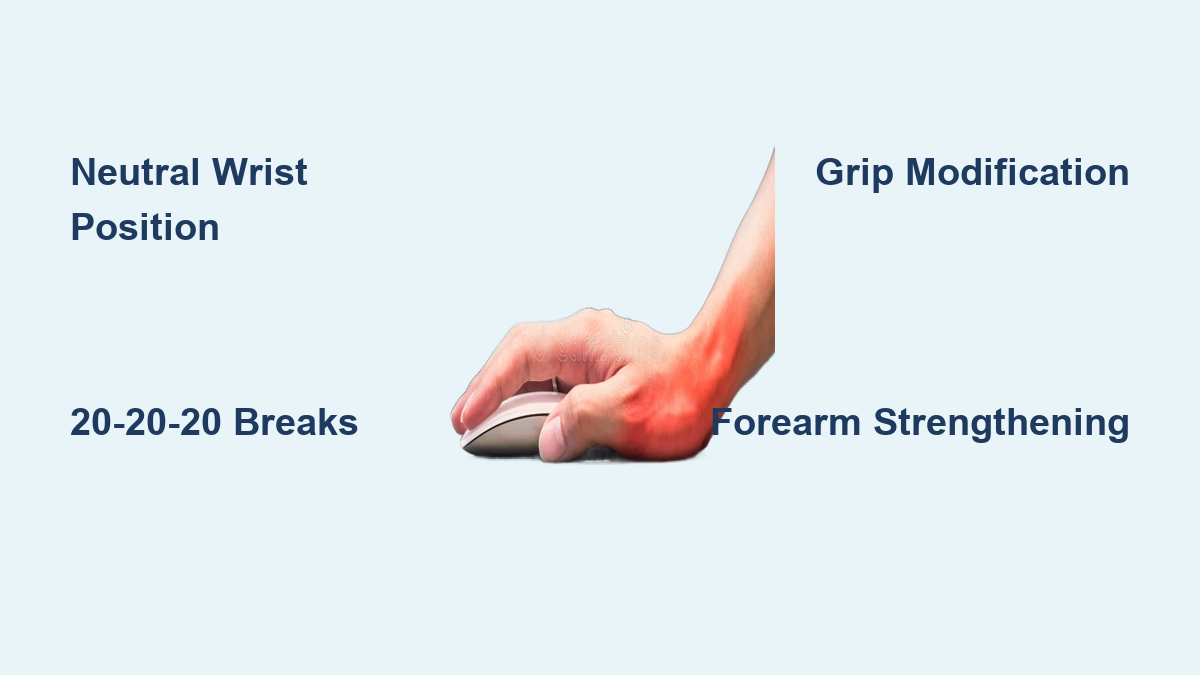
If your hands ache after a day of typing, assembly line work, or using hand tools, you’re experiencing the early warning signs of ergonomic hand injuries. These work-related musculoskeletal disorders affect muscles, nerves, tendons, joints, and cartilage in your hands and wrists—and they account for one-third of all lost workday illnesses. What makes these injuries so dangerous is their insidious nature: they develop gradually from repeated stress rather than a single accident, often progressing to the point where you need 25 days away from work for carpal tunnel syndrome recovery. Ignoring these early signs could permanently alter your ability to perform your job and daily activities.
The statistics are alarming: in 2001, 65% of the 333,800 newly reported occupational illnesses resulted from repeated trauma, with computer users exceeding 20 hours weekly at particularly high risk. Whether you’re a cashier scanning items, an office worker typing all day, or a construction worker using vibrating tools, your hands are silently accumulating damage with every repetitive motion. The good news is these injuries are largely preventable with the right knowledge and interventions. This guide reveals exactly how ergonomic hand injuries develop, how to recognize them early, and most importantly—how to protect your hands before permanent damage occurs.
Force, Repetition, and Awkward Postures: The 3 Main Culprits Behind Hand Injuries
Your hands weren’t designed for the relentless repetition of modern work. Strong evidence confirms that combinations of force and repetition—or force and awkward postures—directly cause carpal tunnel syndrome and hand tendinitis. When you grip tools tightly while performing the same motion hundreds of times daily, you’re creating microscopic tissue damage that accumulates faster than your body can repair it.
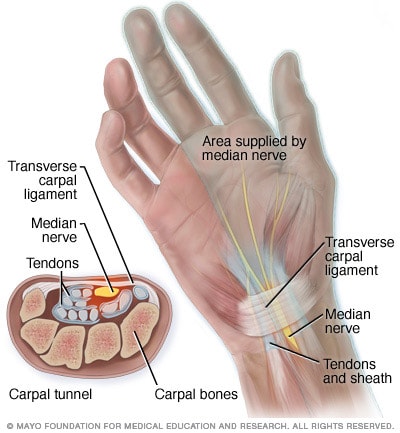
Carpal tunnel pressure increases dramatically when your wrist bends beyond neutral position—reaching 30 times higher when making a fist compared to a relaxed hand. This constant pressure compresses the median nerve, triggering inflammation that leads to numbness, tingling, and eventually weakness. Cold temperatures and vibration exposure accelerate this damage by reducing blood flow to delicate hand tissues. Even your mental stress contributes, with research showing workers in high-stress service industries face significantly higher rates of hand disorders.
Carpal Tunnel vs. Tendinitis: Identifying Your Specific Hand Injury
Knowing exactly what’s causing your hand pain determines your treatment path. While both stem from repetitive stress, these conditions require different interventions.
Carpal tunnel syndrome affects 26,794 workers annually and involves median nerve compression in your wrist. You’ll notice numbness in your thumb, index, and middle fingers that worsens at night—often waking you from sleep. As it progresses, you might drop objects frequently due to weakened grip strength. Tendinitis and tenosynovitis (4,896 cases reported in 2001) cause localized pain and swelling along specific tendons. DeQuervain’s tenosynovitis creates thumb-side wrist pain when gripping, while trigger finger makes your finger catch or lock when bending.
Hand sprains and strains (33,431 cases) feel like general aching that increases with activity. Unlike acute injuries from accidents, these develop gradually as repetitive stress weakens tissues until they can no longer handle normal loads. The critical difference? Ergonomic hand injuries improve with rest from the offending activity, while traumatic injuries show immediate severe symptoms.
Early Warning Signs Your Work Habits Are Damaging Your Hands
Don’t wait until you need surgery—recognize these subtle progression stages:
- Stage 1: Mild aching in hands or wrists that disappears with rest; occasional numbness during specific tasks
- Stage 2: Pain that persists after work hours; nighttime tingling that disrupts sleep; reduced grip strength affecting daily tasks
- Stage 3: Constant pain even at rest; visible swelling; inability to perform job duties without significant discomfort
Critical red flags requiring immediate action:
– Waking up numb 3+ nights weekly
– Dropping objects regularly
– Pain that limits your work output
– Visible puffiness in hands or wrists
These symptoms indicate tissue inflammation is progressing toward fibrosis and permanent damage. Research shows early intervention prevents the central nervous system reorganization that makes recovery difficult.
5 Proven Ways to Prevent Ergonomic Hand Injuries at Your Workstation
You can dramatically reduce risk with these evidence-based strategies:
Optimize Your Keyboard and Mouse Position Immediately
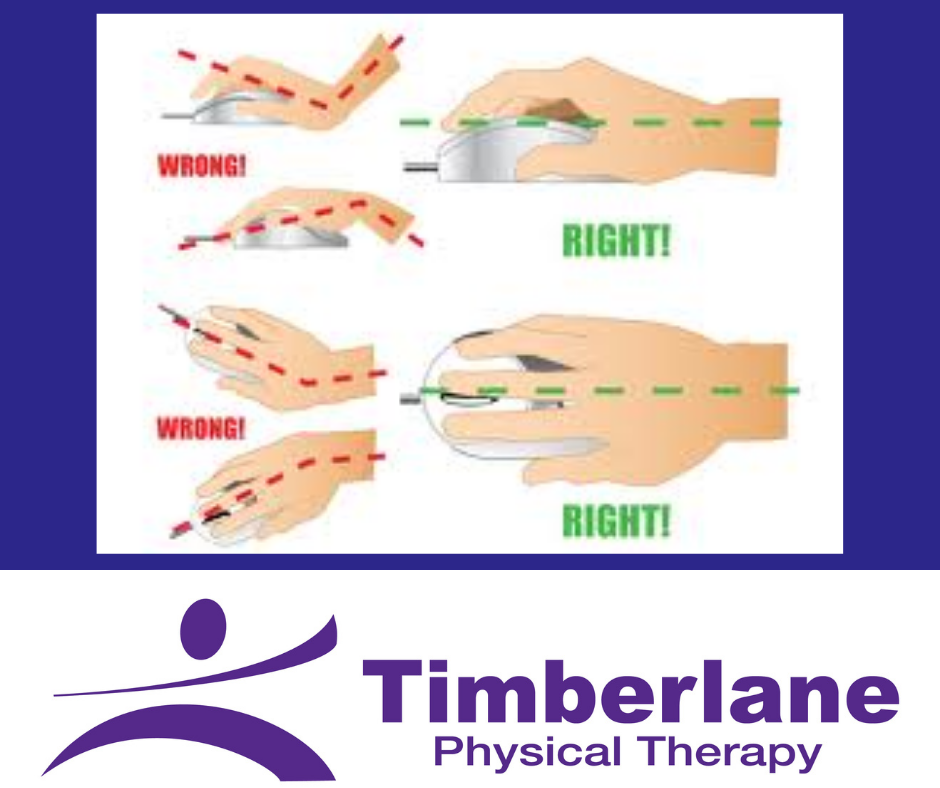
Keep wrists in neutral alignment—neither bent up, down, nor sideways. Your elbows should rest at 90-110 degrees with shoulders relaxed. For mouse users: switch to your non-dominant hand for 15-minute intervals hourly to distribute strain. Studies show this simple technique reduces carpal tunnel risk by 40% for heavy computer users.
Implement the 20-20-20 Microbreak Rule
Every 20 minutes, take 20 seconds to:
1. Shake out your hands vigorously
2. Perform wrist circles in both directions
3. Make tight fists then spread fingers wide (repeat 5x)
These microbreaks prevent tissue fatigue better than longer, less frequent breaks.
Select Tools That Match Your Hand Physiology
- Choose tools with diameter grips between 1.25-2 inches—the optimal range for minimal muscle exertion
- Use spring-loaded tools that reduce required grip force by 50% or more
- Add padded grips to existing tools to distribute pressure evenly
Neutralize Your Wrist During All Tasks
Whether typing, using hand tools, or scanning items: imagine a straight line from elbow to knuckles. Any deviation increases carpal tunnel pressure exponentially. For cashiers and assembly workers, tilt work surfaces to maintain this alignment rather than bending wrists.
Strengthen Your Forearm “Shock Absorbers”
Weak forearm muscles transfer excessive force to delicate wrist structures. Perform these exercises daily:
– Wrist curls: 3 sets of 15 with light dumbbell (palm up)
– Reverse wrist curls: 3 sets of 15 (palm down)
– Towel twists: Grab towel ends, twist to wring out (mimics functional grip patterns)
From Splints to Surgery: Effective Treatment Paths for Hand Injuries

Conservative Treatment That Actually Works
Night splinting for carpal tunnel syndrome maintains neutral wrist position when you can’t control positioning, reducing nocturnal symptoms by 70% in early cases. Combine with nerve gliding exercises—gentle movements that prevent nerve adhesions. For tendinitis, contrast baths (alternating warm and cold water) reduce inflammation better than ice alone.
Critical mistake to avoid: Continuing the offending activity while treating symptoms. Inflammation will persist until you modify the repetitive motion causing damage.
When to Consider Advanced Interventions
Corticosteroid injections provide temporary relief for severe inflammation but don’t address underlying causes. Surgery becomes necessary when:
– Night symptoms disrupt sleep 4+ nights weekly
– Muscle wasting appears at base of thumb
– Conservative treatment fails after 6 months
Modern endoscopic carpal tunnel release has 90%+ success rates when performed before permanent nerve damage occurs.
Your 30-Day Action Plan to Protect Hand Health
- Week 1: Audit your workstation—record every instance your wrist bends beyond neutral position during work tasks
- Week 2: Implement two prevention strategies from this article (e.g., microbreaks + grip modification)
- Week 3: Introduce forearm strengthening exercises for 10 minutes daily
- Week 4: Assess symptom changes and adjust interventions
Pro tip: Use your smartphone camera to record yourself working—awkward postures often go unnoticed until you see them on video.
Long-Term Hand Health: Beyond Basic Ergonomics
True prevention requires understanding that ergonomic hand injuries involve systemic inflammatory responses, not just local tissue damage. Research shows inflammatory markers circulate throughout your body during repetitive tasks, making all musculoskeletal tissues more susceptible to injury. This explains why some workers develop widespread pain beyond their primary work area.
The most effective long-term strategy: Combine workplace modifications with overall health optimization. Adequate sleep, stress management, and proper nutrition significantly improve tissue recovery capacity. Workers who quit smoking see 30% faster healing due to improved circulation—vital for delivering nutrients to healing hand tissues.
Don’t gamble with your hand health. The 25 days you might lose to carpal tunnel syndrome recovery could become permanent disability without proper intervention. Implement these evidence-based strategies today to keep your hands functioning at their best for decades of productive work. Your career—and your quality of life—depends on protecting these essential tools.
Leave a Reply