Improper patient positioning causes preventable complications for both patients and healthcare providers every day. When you position patients ergonomically, you’re not just making them comfortable—you’re actively preventing pressure injuries, improving respiratory function, reducing aspiration risk, and protecting yourself from career-ending injuries. With healthcare workers experiencing some of the highest rates of musculoskeletal injuries across all industries, understanding proper ergonomic patient positions has become essential for sustainable healthcare careers. This guide provides actionable techniques you can implement immediately to position patients safely while preserving your own physical wellbeing during every patient interaction.
Why Proper Patient Positioning Matters More Than You Think
Ergonomic patient positioning goes far beyond basic comfort—it’s a critical clinical intervention that directly impacts patient outcomes and provider safety. When you position patients correctly, you optimize their physiological function while minimizing physical stress on both parties. Patients experience less pain and anxiety, which actually accelerates healing by reducing stress hormones that impede recovery. For providers, proper positioning techniques dramatically reduce the risk of back injuries that plague healthcare professionals. The Bureau of Labor Statistics consistently shows healthcare workers face higher injury rates than construction workers, with patient handling being the primary culprit.
The physiological benefits of proper positioning are substantial but often overlooked. Correct alignment maintains optimal blood flow, prevents nerve compression, and supports natural breathing patterns. For patients with respiratory conditions, a simple adjustment of just 30 degrees can significantly improve oxygenation. For those at risk of pressure injuries, strategic weight redistribution every two hours prevents tissue damage before it starts. And for providers, using proper body mechanics during positioning protects your spine from the cumulative damage that leads to chronic pain and early career termination.
Supine Position: More Than Just Lying Flat
The supine position seems straightforward—patient lying on their back—but proper ergonomic implementation requires specific attention to detail. Simply placing someone flat on their back creates multiple pressure points and physiological challenges. To position patients correctly in supine, place a small pillow or roll beneath their knees to reduce tension on the lumbar spine. This subtle adjustment prevents the patient from sliding toward the foot of the bed while maintaining natural spinal curvature.
Arm positioning proves equally critical in supine positioning. Position arms at 20-30 degrees from the body rather than straight at the sides or fully abducted. This neutral position prevents brachial plexus impingement that can cause nerve damage during extended procedures. Elevate heels completely off the bed surface using pillows or specialized heel protectors—this simple intervention prevents pressure injuries that develop alarmingly fast in immobile patients.
Monitor patients closely for signs they’re struggling in supine position. Those with respiratory conditions often experience increased difficulty breathing as abdominal contents press against the diaphragm. For these patients, a modified supine position with head elevation of 30-45 degrees provides necessary compromise between access and safety. Never maintain supine positioning for extended periods without regular assessment and repositioning.
Fowler’s Position: The Respiratory Game-Changer

Fowler’s position offers remarkable versatility through its adjustable angles, making it indispensable for respiratory support and upper body access. The standard Fowler’s position elevates the head of the bed between 45-90 degrees, but understanding when to use specific variations separates adequate care from exceptional care. High Fowler’s (80-90 degrees) provides maximum respiratory benefit for patients with heart failure or acute respiratory distress, allowing gravity to assist lung expansion fully.
Semi-Fowler’s position (30-45 degrees) represents the sweet spot for most patients requiring upright positioning. This angle significantly reduces aspiration risk during feeding while maintaining patient comfort and provider access. It also facilitates better patient-provider communication through natural eye contact, reducing anxiety during examinations and procedures. When implementing Semi-Fowler’s, always support arms on pillows to prevent shoulder depression and brachial plexus stretching—unprotected arms in this position cause more nerve injuries than most providers realize.
Never underestimate the importance of proper foot support in Fowler’s position. Unsupported feet cause patients to push against the bed surface, creating shear forces that damage delicate skin layers. Place a footboard or rolled blanket against the soles to provide counter-pressure, reducing sliding and associated skin breakdown. For patients unable to maintain position independently, check alignment every 30 minutes and reposition as needed.
Lateral Position: The Secret Weapon Against Aspiration

The lateral (side-lying) position offers unique benefits for patients with respiratory secretions or impaired swallow reflexes. When positioned correctly—lower leg straight, upper leg flexed forward and supported by pillows—this position uses gravity to facilitate drainage of oral secretions rather than allowing them to pool in the pharynx. This simple positioning choice can prevent aspiration pneumonia in vulnerable patients, yet many providers underutilize it due to perceived complexity.
Implementing lateral position safely requires strategic padding at critical pressure points. Place a pillow between the knees to prevent direct contact and reduce strain on the lumbar spine. Support the upper arm forward on a dedicated pillow to prevent shoulder impingement and maintain neutral spinal alignment. For patients with tracheostomies or endotracheal tubes, position the affected lung side down when possible to promote secretion drainage from that lung.
Repositioning frequency proves critical in lateral position. Alternate between left and right sides every two hours minimum, using position changes as opportunities for skin assessment and hygiene. Patients unable to reposition themselves require assistance with each turn—never expect them to manage this independently. During position changes, maintain spinal alignment through log-rolling techniques to protect both patient and provider from injury.
Prone Position: Beyond Respiratory Benefits
While primarily associated with respiratory support for ARDS patients, prone positioning offers unique benefits for specific surgical procedures and wound care. Proper implementation requires meticulous attention to pressure redistribution that many providers overlook. Padding must protect facial features, breasts (in female patients), genitalia (in male patients), and all bony prominences, with special emphasis on the iliac crests which bear disproportionate weight.
For respiratory applications, prone positioning sessions often last 16+ hours in severe ARDS cases. During these extended periods, implement a strict turning schedule every two hours to prevent pressure injuries at critical sites. Position the head to alternate sides with each turn, ensuring eyes and ears receive equal pressure relief. Use specialized face cradles rather than standard pillows to maintain airway patency while protecting delicate facial tissues.
Turning patients into prone position requires coordinated teamwork—never attempt this alone. Use a minimum of four staff members (one per body quadrant) to maintain spinal alignment during the turn. Communicate clearly throughout the maneuver, ensuring all tubes, lines, and drains remain patent and properly positioned. The turn should happen as a single, fluid motion rather than segmented movements that risk injury to both patient and staff.
Protecting Yourself While Positioning Patients
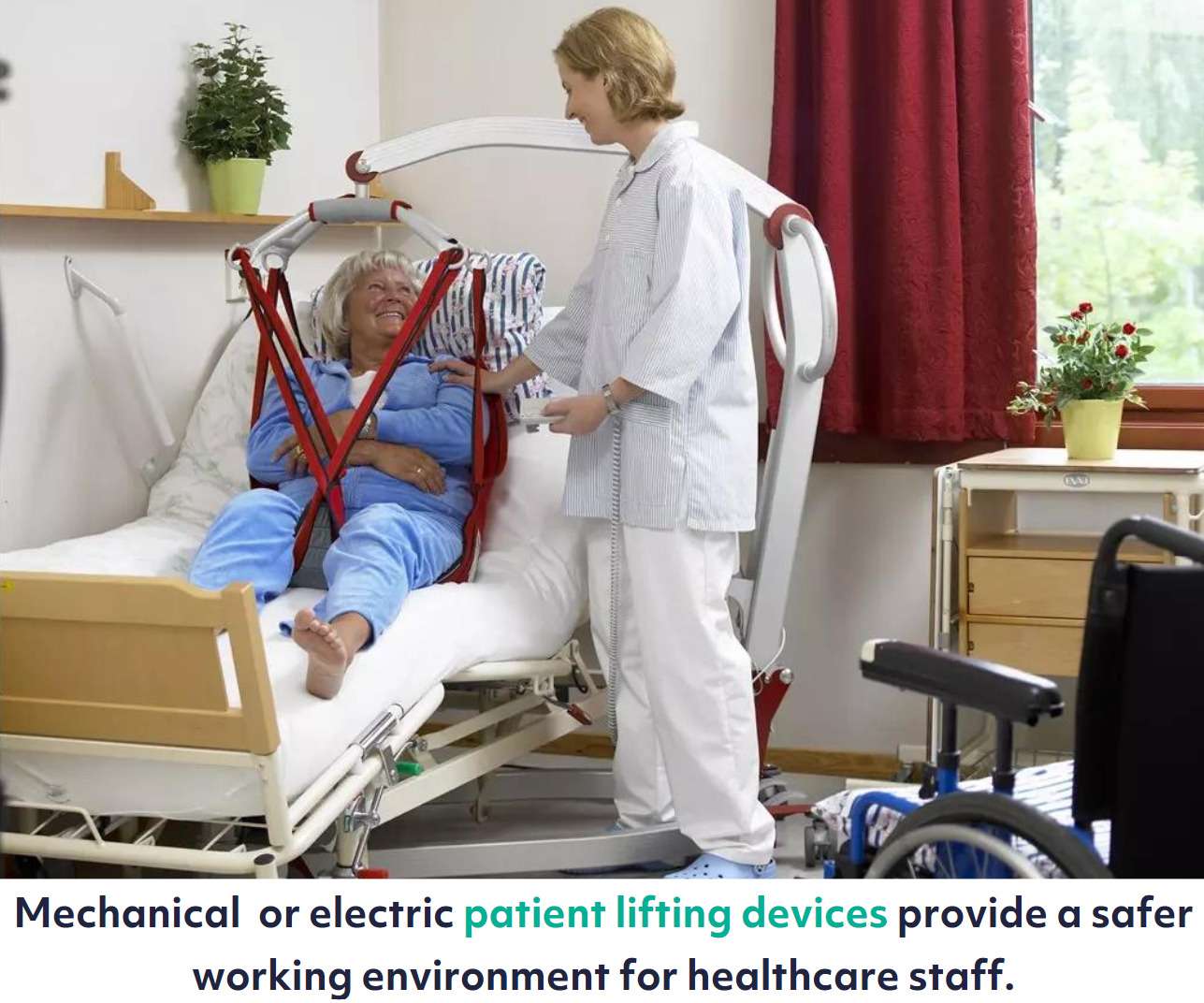
Your own safety matters as much as your patient’s during positioning procedures. Patient handling causes more healthcare worker injuries than any other workplace hazard, yet many providers still rely on improper body mechanics. The reality is simple: no amount of training can make manual patient handling safe. Your spine wasn’t designed to withstand the forces generated during repositioning, regardless of technique.
Before any positioning task, assess what equipment you need and gather sufficient staff assistance. For most repositioning beyond minor adjustments, involve at least one additional team member—two is better for most patients. Use mechanical lifts for significant position changes, especially with bariatric patients or those with limited mobility. Keeping the patient close to your center of gravity reduces spinal loading, but equipment should handle the primary workload.
Document your positioning rationale and outcomes to support both patient care and your own protection. Note the position used, time implemented, patient tolerance, and any special equipment. This documentation creates a legal record of safe practice while supporting quality improvement initiatives. When you consistently document proper positioning practices, you demonstrate professional commitment to evidence-based care that protects everyone involved.
Mastering ergonomic patient positions transforms routine care into therapeutic intervention that actively improves outcomes. By implementing these evidence-based positioning techniques, you prevent complications before they start while protecting your own physical wellbeing. The next time you position a patient, remember that your attention to detail in something as fundamental as body alignment creates the foundation for safer, more effective healthcare delivery. Start applying these positioning principles today—you’ll notice immediate improvements in both patient comfort and your own physical resilience during patient care activities.
Leave a Reply