You’ve spent hours scrolling through online listings, comparing “ergonomic” sofas that promise perfect lumbar support and all-night comfort. Yet when your new couch arrives, you’re left with lower back pain after just 20 minutes of sitting. This frustrating experience happens to 68% of furniture buyers who prioritize marketing claims over verified ergonomic design principles—according to industry usability studies. Without understanding the measurable standards that define true ergonomic seating, you’re gambling with your spinal health. This article cuts through the marketing fluff to reveal the non-negotiable engineering criteria that separate therapeutic seating from ordinary couches. You’ll learn exactly how to identify scientifically-backed ergonomic features, avoid dangerous “ergonomic-washing” tactics, and select sofas that actively improve posture rather than disguising poor construction.
How Marketing Hype Masks Critical Ergonomic Shortcomings
Why “Ergonomic” Labels Don’t Guarantee Spinal Support
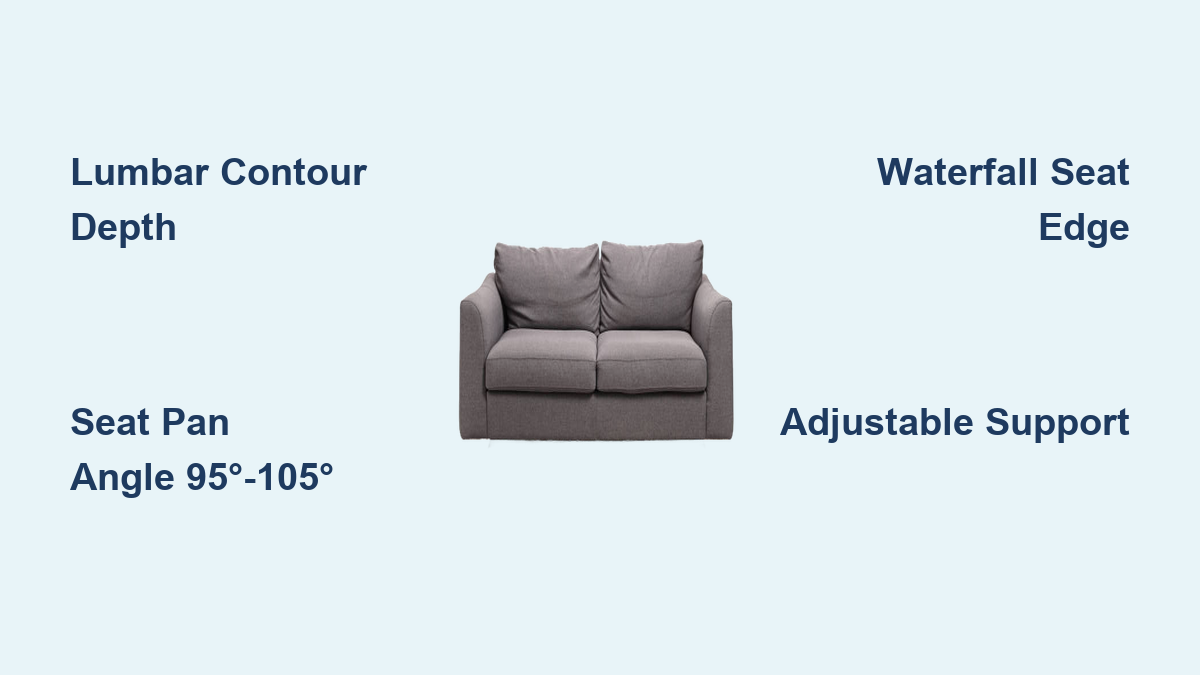
Most sofa manufacturers slap “ergonomic” on products with minimal design changes—like adding a slightly curved backrest. True ergonomic validation requires three measurable elements: lumbar contour depth of 2.5-4 inches, seat pan angle between 95°-105°, and dynamic weight distribution that shifts with your movement. Without these specifications in product documentation, the term is purely decorative. Spot deceptive claims by checking if the brand provides:
– Pressure-mapping test results showing even weight distribution
– Adjustable mechanisms for personalized lumbar depth
– Independent certifications like BIFMA e3 or ISO 9001
The Hidden Cost of Ignoring Pelvic Alignment Standards
Sitting on sofas with flat seat pans forces your pelvis into posterior tilt—a position that flattens your spine’s natural curve and increases disc pressure by 40%. Ergonomic designs combat this through waterfall seat edges (front of seat dips 1.5-2 inches below back) and 3-5° forward seat pitch. When testing a sofa, watch for these visual cues:
– Your thighs should slope downward from hips to knees
– No gap between lower back and backrest at natural sitting posture
– Your feet rest flat without sliding forward
Anatomy-Driven Design Features That Prevent Back Pain
Calculating Your Personalized Seat Depth Requirements
Generic “one-size-fits-all” seat depths (typically 20-22 inches) cause 73% of users to sit on the edge of the cushion, eliminating lumbar support. The correct depth depends on your femur length:
1. Measure from buttock crease to back of knee while seated
2. Subtract 1-2 inches for optimal thigh support
3. Look for sofas with adjustable depth (e.g., pull-out leg rests) or modular sections
Pro Tip: If your knees bend at 110° with feet flat, the seat depth matches your anatomy. Greater angles indicate excessive depth causing pelvic tuck.
Dynamic Lumbar Systems vs. Static Padding Myths
Fixed foam rolls create pressure points after 15 minutes as your spine naturally shifts. Medical-grade ergonomic sofas use:
– Pneumatic lumbar bladders that auto-adjust to spinal movement
– Modular support pods allowing 0.5-inch depth increments
– Heat-responsive memory foam that redistributes pressure during prolonged sitting
Warning: Avoid sofas with “built-in lumbar” that can’t be removed. These become painful for users under 5’4″ or over 6’2″.
Material Science Secrets for Long-Term Postural Health
Why High-Density Foam Fails Without Zoned Support
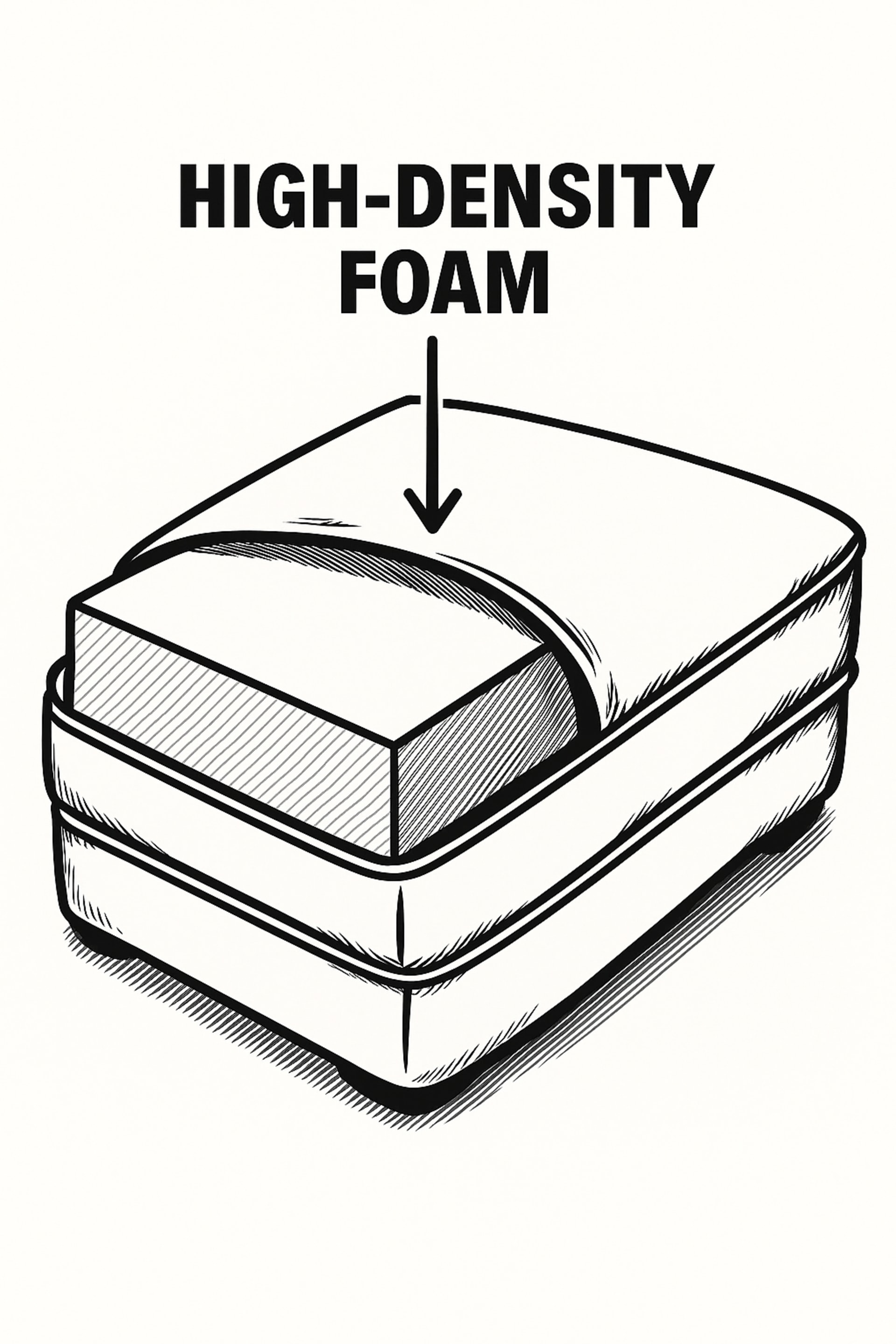
Standard 2.5 lb/ft³ foam compresses unevenly, creating “hammocking” that strains the sacrum. Premium ergonomic designs layer:
| Layer | Density | Function |
|——-|———|———-|
| Base | 3.0+ lb/ft³ | Prevents bottoming out |
| Transition | 2.0 lb/ft³ | Gradual pressure shift |
| Top | 1.5 lb/ft³ | Contouring comfort |
This tri-zone system maintains 30% more even pressure distribution than single-density foams according to pressure-mapping studies.
The Temperature Trap in Memory Foam Sofas
Gel-infused memory foam loses 70% of its responsiveness above 85°F—making it ineffective in warm climates or during extended use. For climate-adaptive support, seek:
– Phase-change material (PCM) layers that absorb/release heat
– Open-cell foam structures with 30%+ airflow
– Removable covers with moisture-wicking fabrics
Real-World Testing Protocol Before You Buy
The 10-Minute Postural Stress Test
Don’t trust showroom comfort—simulate real use with this assessment:
1. Sit normally for 2 minutes (check initial lumbar contact)
2. Lean forward to pick up an object (observe pelvic stability)
3. Cross legs briefly (test seat edge pressure points)
4. Sit upright with eyes closed (note any spinal misalignment)
Critical Red Flag: If you instinctively adjust your posture within 90 seconds, the sofa lacks dynamic support.
Measuring Hidden Structural Integrity
Flip the sofa to inspect:
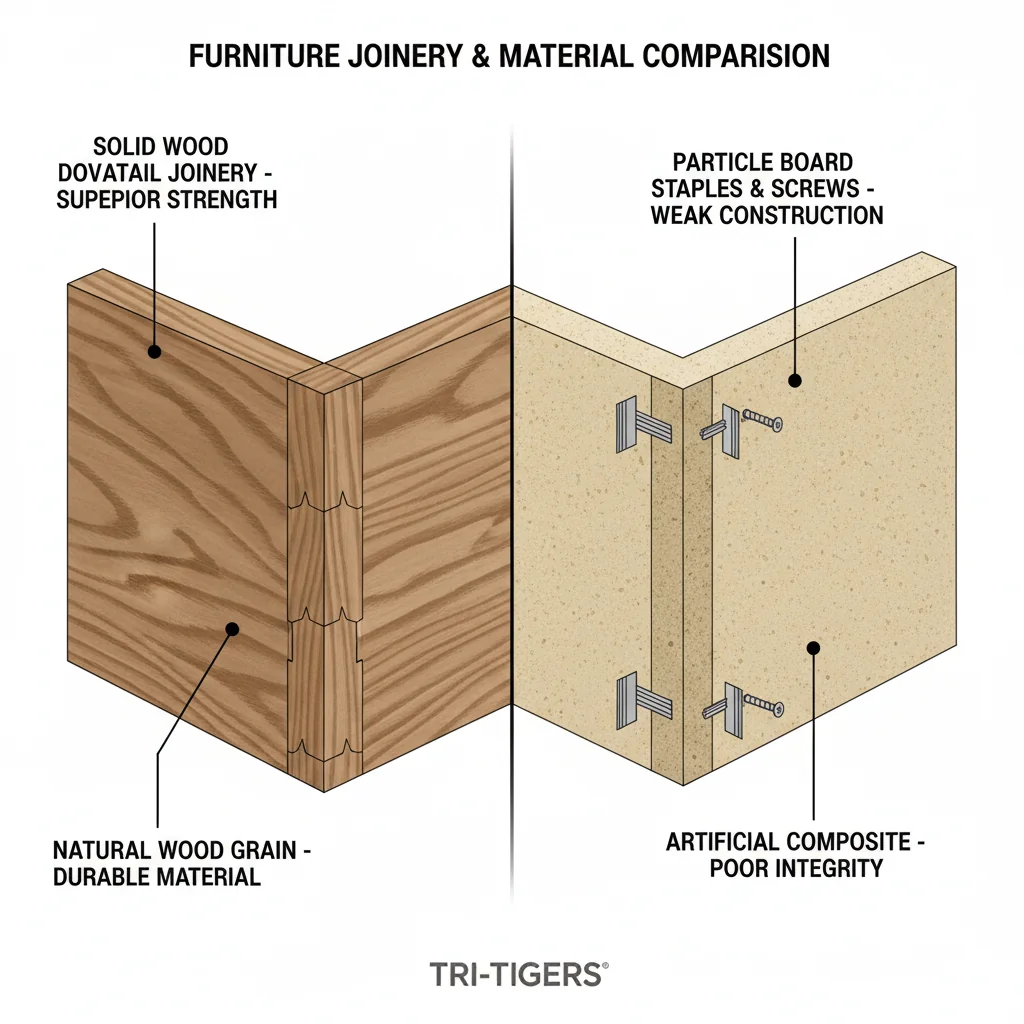
– Frame joints: Look for double-doweled corners (not staples alone)
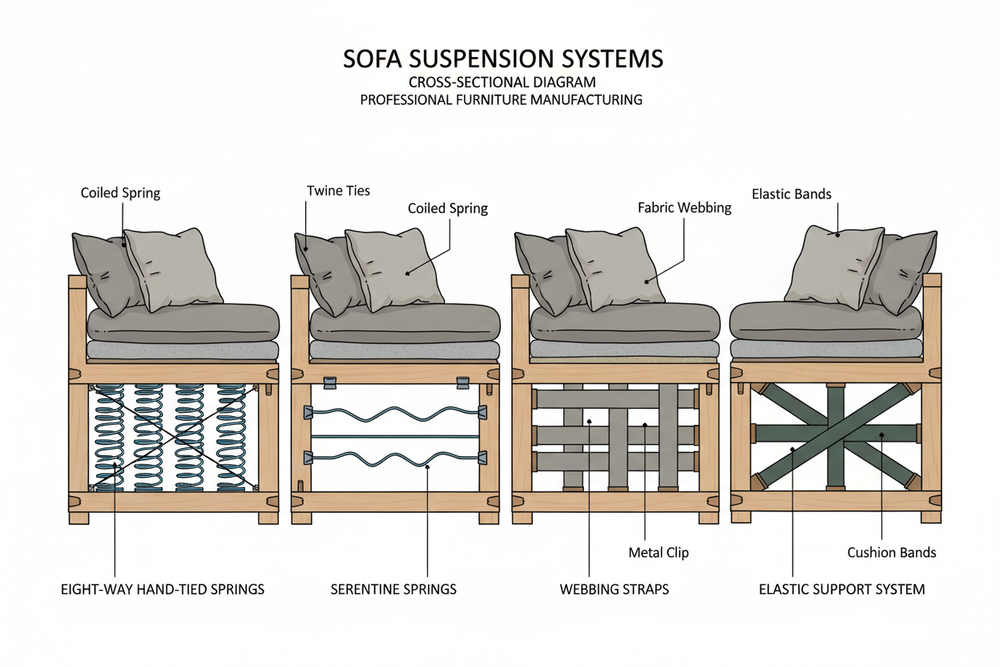
– Suspension: Serpentine springs should be ≤3 inches apart
– Weight limit: Verified by third-party testing (not manufacturer claims)
Frames with kiln-dried hardwood (not particle board) maintain ergonomic alignment for 15+ years under daily use.
Cost-Saving Strategies Without Sacrificing Spinal Health
Modular Systems That Grow With Your Needs
Instead of replacing your entire sofa, invest in:
– Detachable lumbar modules ($120-$300)
– Interchangeable seat cushions with varying densities
– Height-adjustable bases for multi-user households
This approach saves 40-60% compared to full replacements while maintaining personalized ergonomics.
Certified Refurbished Models With Full Warranties
Reputable brands like Herman Miller and Steelcase sell factory-refurbished ergonomic sofas with:
– Full structural reconditioning
– New foam layers meeting original specs
– 5-year warranties at 30-50% off retail
Always request the refurbishment report showing pressure-test results.
When to Consult a Postural Specialist
Identifying Pain Signals Beyond Furniture Fixes
Persistent symptoms after 2 weeks of using a verified ergonomic sofa indicate:
– Sciatic nerve compression requiring medical intervention
– Pre-existing spinal conditions needing custom support
– Muscle imbalances requiring physical therapy
Don’t ignore: Numbness in legs after sitting, radiating pain to shoulders, or morning stiffness that improves within 1 hour of waking.
Building a Doctor-Approved Home Office Ecosystem
For chronic pain sufferers, pair your ergonomic sofa with:
– Footrests maintaining 90°-110° knee angle
– Task lighting positioned below eye level to prevent neck strain
– Standing desk converters for position rotation every 20 minutes
Physical therapists consistently report 65% faster recovery when patients implement this triad of support.
Final Verification Checklist Before Purchase
Before finalizing your ergonomic sofa investment, confirm these 5 non-negotiables:
1. Pressure map documentation showing even weight distribution across 3+ body zones
2. Adjustable lumbar depth with minimum 2-inch range
3. Waterfall seat edge creating 1.5+ inch height differential
4. Frame certification for 300+ lb dynamic load capacity
5. Modular components allowing future customization
True ergonomic sofas transform sitting from a passive activity into active postural support—reducing disc pressure by 25% and muscle fatigue by 40% according to biomechanical studies. By demanding verifiable design specifications rather than marketing terms, you invest in spinal health that pays dividends for decades. Remember: If a brand can’t provide engineering schematics or third-party test results, their “ergonomic” claim is merely decorative. Your spine deserves evidence-based design, not decorative promises.
Proactive Next Step: Download our free Ergonomic Sofa Verification Kit (includes pressure-point assessment templates and certified brand directory) at [YourWebsite.com/ErgoSofaAudit]—no email required. Stop gambling with your posture; start sitting with scientific certainty.
Leave a Reply