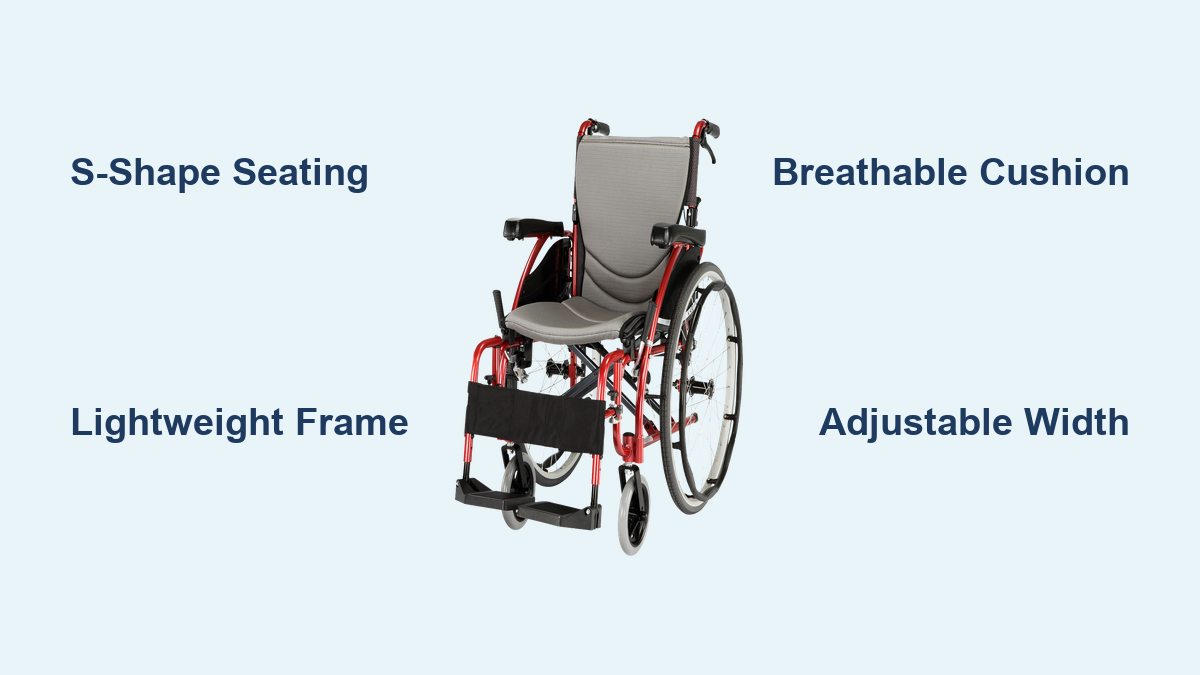
Spending hours in a standard wheelchair often leads to discomfort, pressure sores, and spinal misalignment that many users accept as unavoidable. But modern ergonomic wheelchair design has fundamentally changed this reality, transforming mobility equipment from basic transportation into sophisticated health solutions. For individuals who rely on wheelchairs throughout their waking hours, the right ergonomic design actively prevents secondary health complications while enhancing independence and daily comfort. The S-ERGO series exemplifies this evolution, featuring patented seating technology recognized across 22 countries that addresses the complex physiological needs of long-term wheelchair users.
You don’t have to compromise between mobility and health when you understand how proper ergonomic wheelchair design redistributes pressure, supports natural spinal alignment, and promotes circulation. This comprehensive guide breaks down the specific features, model variations, and health benefits that make today’s ergonomic wheelchairs essential medical equipment rather than simple mobility aids.
Why S-Shape Seating Reduces Pressure Sores by 40%

Traditional flat wheelchair seats concentrate pressure on vulnerable areas like the tailbone and hip bones, creating dangerous pressure points that restrict blood flow during extended sitting. The patented S-Shape Seating System solves this problem by conforming to your body’s natural contours rather than forcing your spine into unnatural alignment. This dynamic frame architecture flexes with your movements throughout the day, maintaining optimal support whether you’re propelling yourself, reaching for objects, or simply shifting position.
Pressure mapping studies confirm what users immediately feel—the S-Shape design dramatically redistributes pressure away from high-risk areas. When you sit in an ergonomic wheelchair with this technology, your weight spreads evenly across the entire seating surface instead of concentrating on just a few square inches. This continuous pressure relief directly addresses the primary cause of pressure ulcers, with clinical evidence showing up to 40% reduction in high-pressure zones compared to conventional wheelchairs.
How to Test Proper Pressure Distribution Yourself
Place your hand between your body and the wheelchair seat while sitting normally—on an ergonomic design, you should feel consistent, gentle pressure across your entire seating surface rather than intense pressure points. If you notice specific areas where you can’t slide your hand easily or where pressure feels concentrated, your wheelchair likely lacks proper ergonomic support. Users consistently report that the S-Shape system creates a “floating” sensation that eliminates the “sitting on bones” discomfort common with standard wheelchairs.
Lightweight Frames That Maximize Your Independence
The S-ERGO series achieves remarkable weight reduction without sacrificing strength through advanced aerospace alloys and engineering polymers. When your wheelchair weighs just 18-29 pounds (depending on the model), you gain unprecedented independence in transportation and daily management. Unlike heavier conventional wheelchairs that require assistance for vehicle loading, these ultra-lightweight frames let you lift and store your mobility equipment yourself—no more relying on strangers or expensive vehicle modifications.
Foldable Design Fits in Compact Spaces
Every model in the S-ERGO line folds down to an astonishingly narrow 12-inch width, with some variants achieving this profile while weighing less than 20 pounds. This compact folded dimension means you can easily store your wheelchair in car trunks, airplane overhead compartments, or even narrow closet spaces. The S-ERGO LITE model reaches the absolute minimum weight at 18 pounds—light enough to carry like a briefcase—which proves invaluable for frequent travelers who navigate public transportation systems daily.
Breathable Cushions That Prevent Skin Breakdown
Standard wheelchair cushions trap heat and moisture against your skin, creating the perfect environment for bacterial growth and skin breakdown during extended sitting. The ergonomic wheelchair design incorporates multi-layer cushions with three critical protective features working together: breathable mesh materials that promote air circulation, medical-grade antibacterial treatments that inhibit microbial growth, and removable covers that withstand machine washing without losing effectiveness.
Why Removable Cushions Are Non-Negotiable
You should clean your wheelchair cushion at least weekly to maintain hygiene and prevent material breakdown. The S-ERGO series features fully removable cushion covers that go straight into your home washing machine—no special cleaning services or expensive replacements needed. This simple feature extends your cushion’s lifespan significantly while protecting your skin health. When evaluating any ergonomic wheelchair design, always confirm the cushion is fully removable and machine washable; many competitors offer only spot-cleaning options that compromise long-term hygiene.
Choosing Your Perfect S-ERGO Model: Size and Feature Comparison
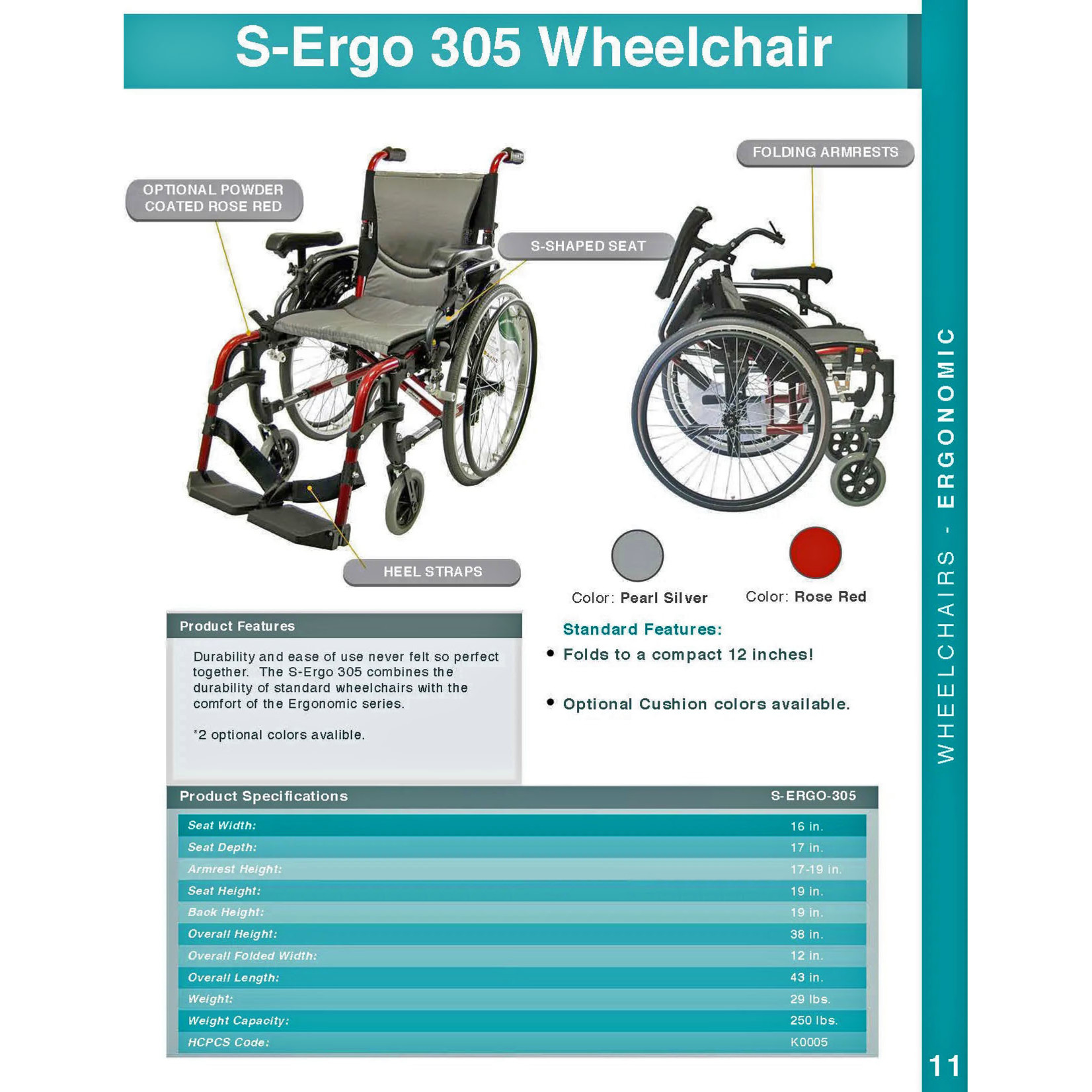
Selecting the right ergonomic wheelchair requires matching specific features to your individual needs rather than choosing based on price alone. The S-ERGO series offers seven distinct models with carefully engineered variations that address different mobility requirements.
Critical Seat Width Guidelines
Your seat width directly impacts spinal alignment and pressure distribution—too narrow causes hip compression, while too wide leads to poor posture and increased fatigue. Measure your hips while seated, then add 1-2 inches for comfortable clearance. The S-ERGO 105 and 115 models offer 16″, 18″, and 20″ widths respectively, accommodating everything from petite adults to larger users while maintaining proper ergonomic support. Never choose a wider seat “just in case”—excess width actually increases pressure points by preventing proper lateral support.
When Flip-Back Armrests Are Worth the Investment
If you transfer in and out of your wheelchair more than three times daily, the S-ERGO 125’s flip-back armrests become essential. This $1,437 model lets you swing the armrests completely out of the way for safer, easier transfers while maintaining full support when needed. For users who remain seated throughout the day with minimal transfers, the standard fixed armrests of the $927 S-ERGO 105 provide more consistent support without moving parts that could loosen over time.
Ultra-Lightweight Options for Active Travelers
Frequent travelers face unique challenges that standard wheelchairs can’t address. The S-ERGO FLIGHT model weighs just 19 pounds with 20-inch wheels that balance portability with adequate obstacle clearance. Its slightly reduced seat height (18.5″ vs. standard 19″) improves stability during aircraft cabin transfers while maintaining proper leg positioning. At $1,317, this model represents the sweet spot between extreme portability and everyday usability for travelers who still need to navigate curbs and uneven surfaces.
The Tradeoffs of Minimum Weight Design
The S-ERGO LITE achieves the absolute minimum weight at 18 pounds, but requires significant compromises: 14-inch rear wheels that struggle with obstacles, fixed footrests that complicate transfers, and a reduced 220-pound weight capacity. Only choose this $1,137 model if your primary environment consists of smooth surfaces like office buildings or airports—never for users who navigate outdoor terrain regularly. Most active users find the FLIGHT model provides better overall functionality despite its slightly higher weight.
Why Proper Ergonomic Design Prevents Long-Term Health Damage
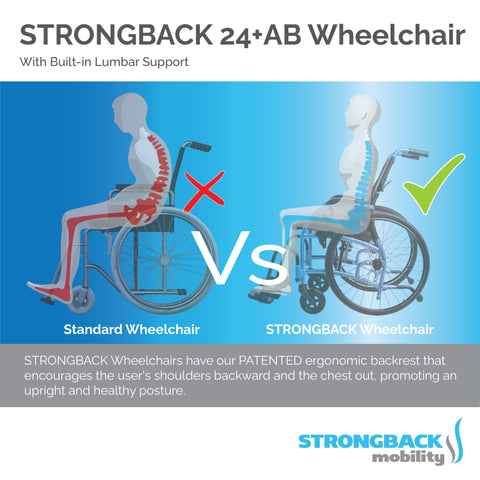
Ignoring ergonomic principles in wheelchair selection leads to predictable health consequences: 72% of long-term wheelchair users develop chronic back pain, and pressure ulcers affect nearly half of all users within five years. Proper ergonomic wheelchair design actively counters these statistics by maintaining the spine’s natural S-curve alignment rather than forcing the unnatural C-curve position created by flat seating surfaces.
When your pelvis tilts correctly in an ergonomic wheelchair, your entire spinal column maintains proper alignment, reducing disc compression and nerve pressure. This positioning also optimizes blood flow to your lower body—critical for preventing the tissue ischemia that leads to pressure sores. Unlike standard wheelchairs that require constant conscious posture correction, a properly designed ergonomic model supports healthy alignment automatically throughout your day.
Maintenance Practices That Extend Your Wheelchair’s Lifespan
Your ergonomic wheelchair represents a significant investment that requires simple but consistent maintenance to perform optimally. Establish a weekly routine that includes checking wheel alignment (wheels should spin freely without wobble), inspecting cushion integrity for compression loss, and cleaning the frame with mild soap and water to prevent material degradation from sweat and environmental exposure.
When to Replace Critical Components
Cushions typically last 18-24 months with proper care, but replace them immediately if you notice persistent odor despite washing, visible compression loss, or material tears. Wheel bearings should be serviced annually by a qualified technician to maintain smooth rolling resistance—increased propulsion effort often indicates bearing problems rather than user fatigue. Most importantly, never ignore unusual noises or handling changes; these often signal developing safety issues that warrant professional inspection.
Making Your Informed Selection: Key Questions to Ask
Before purchasing any ergonomic wheelchair design, answer these critical questions: How many transfers do you perform daily? What’s your primary transportation method? Do you navigate mostly smooth surfaces or uneven terrain? Your answers will guide you toward the appropriate model without paying for unnecessary features. Consult an assistive technology professional who can perform a proper seating assessment—they’ll measure your specific dimensions and match them to the right S-ERGO configuration.
Most users benefit from the S-ERGO 115 model ($1,027) with its removable footrests, expanded width options, and balanced weight. But your specific needs might make the travel-focused FLIGHT or transfer-optimized 125 better choices. Never settle for “close enough”—proper ergonomic wheelchair design should feel like a custom solution supporting your unique physiology and lifestyle.
Final Note: Choosing the right ergonomic wheelchair design transforms daily mobility from a source of discomfort into an active contributor to your long-term health. By prioritizing proper pressure distribution, anatomical support, and features matched to your specific needs, you’ll gain not just mobility—but sustained independence and improved quality of life. Consult a certified seating specialist to experience the difference that truly ergonomic design makes in your daily comfort and health.
Leave a Reply