You’ve rearranged your home office three times this year. Your neck aches after just an hour at your desk, and your living room seating leaves guests rubbing their lower backs. You know ergonomics matters for interior design, but conflicting online advice has you stuck between “sit perfectly straight” and “relax completely.” Without verified guidance, you’re risking chronic discomfort while wasting money on furniture that looks great but feels terrible. This article cuts through the noise with actionable, evidence-based strategies to transform your spaces into supportive environments—whether you’re designing a home office, kitchen, or living area. You’ll discover exactly how to match furniture dimensions to your body, optimize lighting for visual comfort, and arrange layouts that prevent strain, all while maintaining aesthetic appeal.
Why Generic Interior Design Rules Fail Your Body
Most design magazines suggest placing your sofa 8-10 feet from the TV or setting desks at “standard height.” These one-size-fits-all approaches ignore critical variables like your height, daily tasks, and physical limitations. When your chair forces you to crane your neck toward a monitor, you accumulate micro-injuries that compound into chronic pain within months. Similarly, kitchen islands designed for “average” users leave tall cooks hunched over counters while shorter users strain to reach appliances. The real cost isn’t just physical discomfort—it’s wasted investment in pieces that must be replaced once you discover they don’t support your body’s natural alignment.
How to Measure Your Unique Ergonomic Baseline
- Calculate your elbow height: Sit in a chair with feet flat, arms bent at 90 degrees. Measure from floor to elbow—this determines optimal desk height
- Determine visual reach zone: Extend arms forward at shoulder height. Mark where fingertips touch walls to define your comfortable interaction radius
- Identify pressure points: Sit on a firm surface for 5 minutes. Note where weight concentrates (tailbone, thighs) to guide cushion selection
Critical Mistakes That Worsen Discomfort
- Prioritizing aesthetics over adjustability: Fixed-height desks or non-reclining chairs eliminate customization
- Ignoring task-specific needs: Using the same chair for video calls and reading creates mismatched support
- Overlooking floor transitions: Rugs that create height changes between rooms disrupt natural gait patterns
Optimizing Workspaces for Pain-Free Productivity
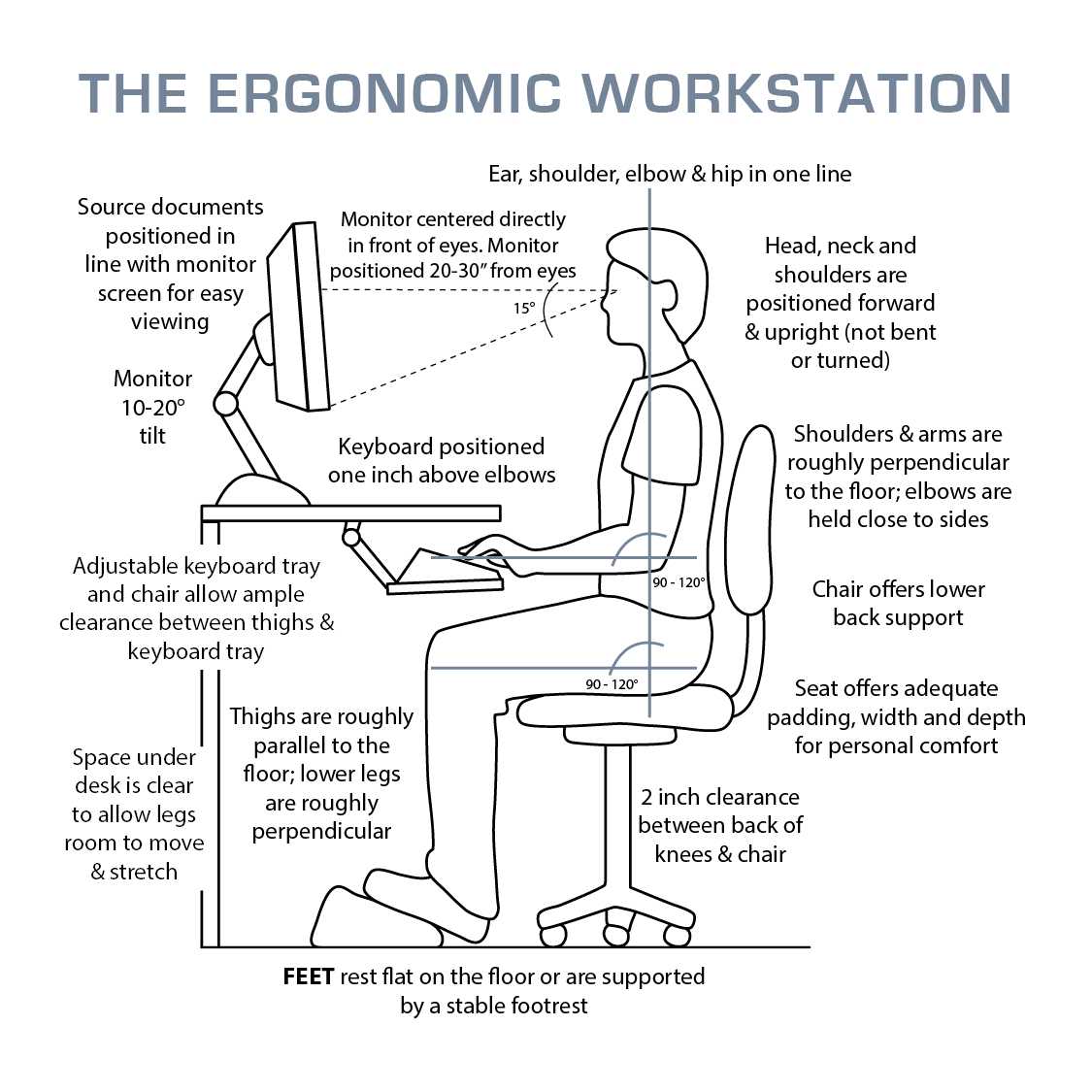
Your home office setup directly impacts your focus and physical health. Studies consistently show improper workstation alignment causes 60-70% of remote workers to develop repetitive strain injuries within two years. The solution isn’t expensive equipment—it’s strategic placement based on your body’s signals. When your monitor sits too low, you’ll notice neck stiffness within 20 minutes of work. If your mouse position forces wrist extension, tingling fingers appear during extended tasks. These aren’t temporary issues; they’re early warnings of developing conditions.
Step-by-Step Home Office Ergonomic Setup
- Position your screen: Top of monitor at or slightly below eye level, 20-30 inches from face. Use books or stands to raise laptops
- Configure keyboard/mouse: Keep wrists straight, elbows at 90-110 degrees. Try vertical mice if you experience forearm fatigue
- Test seating posture: Sit with back supported, feet flat. If knees rise above hips, add a footrest. If you slide forward, increase seat depth
- Create task zones: Keep frequently used items (phone, notebook) within 18 inches to avoid constant reaching
When to Choose Adjustable Furniture
- Height-adjustable desks: Essential if multiple users share the space or you alternate sitting/standing
- Lumbar-adjustable chairs: Non-negotiable if you have lower back sensitivity—fixed lumbar supports often misalign
- Modular seating: Opt for sectionals with removable cushions to customize depth for different body types
Kitchen Layouts That Prevent Chronic Strain
The kitchen causes more repetitive motion injuries than any other room. Reaching into deep cabinets, bending to stove controls, and washing dishes at improper heights create cumulative stress on joints. Standard designs position wall ovens at floor level—forcing 5’2″ users to squat deeply while 6’4″ cooks must kneel. Similarly, fixed island heights create awkward chopping postures for non-average users. The key is designing zones based on your specific movement patterns rather than industry “norms.”
Creating Your Personalized Kitchen Workflow
- Zone your counter heights: Set prep areas at your elbow height (typically 34-38″), sink 2-4″ lower for relaxed shoulders
- Optimize storage depth: Place daily items in front third of cabinets—no reaching beyond 12 inches to avoid spinal twisting
- Position appliances strategically: Keep blender/coffee maker on counter at standing height; store rarely used items below
Smart Modifications for Existing Kitchens
- Install pull-down shelves: Bring high cabinets within comfortable reach without stepping stools
- Add under-counter lighting: Eliminate shadows when chopping to prevent hunching over cutting boards
- Use anti-fatigue mats: Place 3/4″ thick mats in primary work zones (sink, stove) to reduce leg strain
Living Room Designs That Support Natural Movement

Most living rooms force static, unnatural postures. Deep sofas that swallow you whole encourage slouching, while coffee tables placed too far create constant reaching for remotes. The hidden culprit? Fixed furniture arrangements that ignore how your body actually moves during relaxation. When you curl up to read, your neck should rest against support without straining. When watching TV, your eyes should look slightly downward—not up or far to the side. These subtle misalignments cause tension headaches and shoulder knots within hours.
Building a Body-Aware Seating Layout
- Match seat depth to thigh length: Sit with 2-4 fingers between膝盖 and seat edge. Too deep? Add lumbar rolls; too shallow? Choose forward-sitting postures
- Position TV at eye level when seated: Mount screens so center is 42″ from floor for standard seating
- Create movement zones: Leave 30″ clearance around seating for easy transitions from sitting to standing
Furniture Choices That Adapt to Your Body
- Choose recliners with independent headrests: Allows neck support without forcing full recline
- Opt for modular sectionals: Rearrange pieces to support different postures (reading, TV watching, napping)
- Select ottomans with lift mechanisms: Elevate feet to heart level for circulation without straining to reach
Lighting Strategies for Visual Comfort and Circadian Health

Harsh overhead lighting strains eyes and disrupts sleep cycles, yet most homes rely on single ceiling fixtures. Poor lighting forces pupils to constantly adjust, causing headaches and fatigue. The solution isn’t brighter bulbs—it’s layered illumination that matches your activities and natural rhythms. Task lighting should be 3-5 times brighter than ambient light, but positioned to avoid screen glare. In evenings, warm tones below 3000K prepare your body for sleep, while cool daylight tones (5000K+) boost alertness during work hours.
Implementing Adaptive Lighting Zones
- Desk/work areas: Use adjustable swing-arm lamps with 3000-4000K LEDs, positioned left/right of monitor (never behind)
- Relaxation zones: Install dimmable floor lamps with warm tones (2700K) at 40-60% brightness
- Transition spaces: Place motion-sensor nightlights along hallways using red spectrum bulbs for nighttime navigation
Avoiding Common Lighting Pitfalls
- Screen glare: Never place lights directly above or opposite monitors—use indirect wall washers instead
- Circadian disruption: Disable blue-rich lighting after sunset; use smart bulbs that auto-adjust color temperature
- Shadow creation: Combine multiple light sources at different heights to eliminate harsh contrasts
Maintaining Your Ergonomic Environment Long-Term
Ergonomic setups degrade over time as your body changes and habits shift. A chair that felt perfect last year may now cause hip discomfort due to weight fluctuations or new physical limitations. Monthly check-ins prevent small issues from becoming chronic problems. Set calendar reminders to reassess your spaces—especially after vacations when you return to “normal” routines. Document your ideal settings with photos so adjustments remain consistent across household members. Remember that ergonomics isn’t about achieving perfect posture; it’s about creating fluid movement through varied positions throughout your day.
Proactive Maintenance Checklist
- Weekly: Test chair adjustments, clean monitor surfaces to reduce glare, check lighting temperatures
- Monthly: Re-measure key heights (desk, counters), assess pain points during common tasks
- Seasonally: Update lighting schedules for daylight changes, rotate cushion positions to prevent uneven wear
When to Call an Expert
- Persistent pain lasting over 2 weeks despite adjustments
- Multiple household members with conflicting needs
- Designing for special populations (pregnancy, disabilities, aging in place)
Integrating ergonomics into interior design transforms spaces from merely beautiful to actively supportive of your physical well-being. By anchoring decisions in your body’s specific measurements and movement patterns—not generic guidelines—you’ll prevent the chronic discomfort that plagues most modern homes. Start with one zone using the measurement techniques outlined, then expand systematically. Remember that the most elegant solution adapts to you, not the reverse. For deeper implementation, consult certified ergonomists through the Human Factors and Ergonomics Society directory—they translate research into room-specific strategies. Your body will thank you with renewed energy and freedom from preventable pain.
Leave a Reply