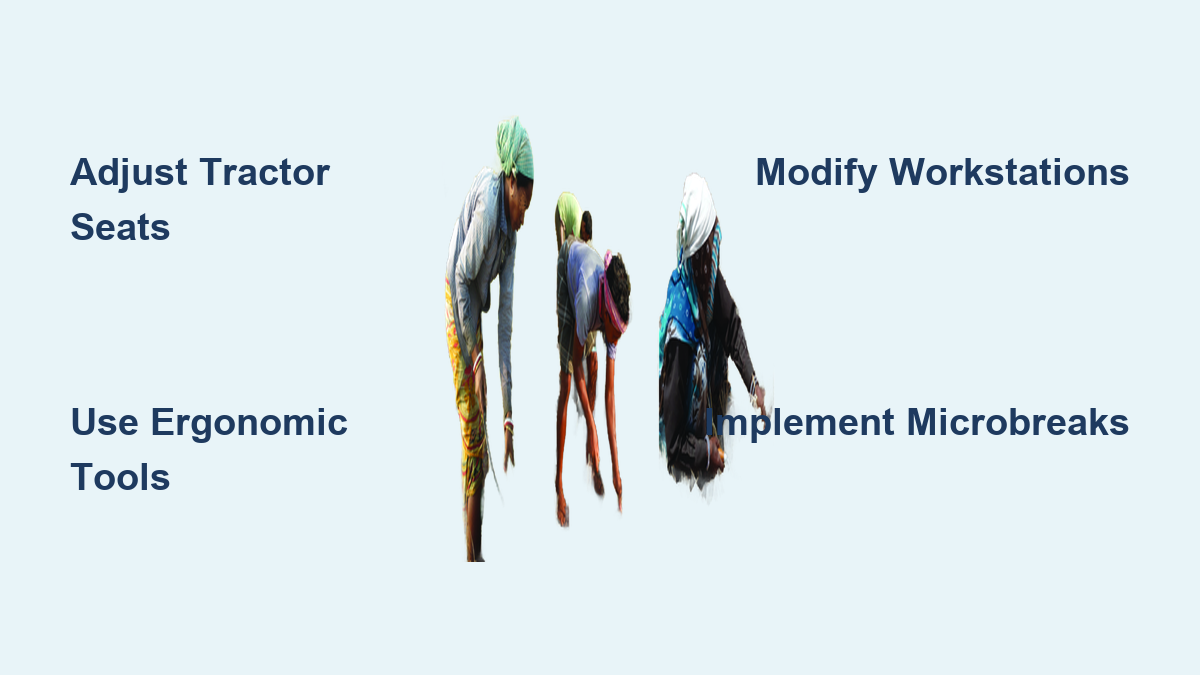
Farm work ranks among the most physically demanding occupations, with agricultural workers facing daily challenges that strain muscles, joints, and the entire musculoskeletal system. From the repetitive bending during vegetable harvesting to the constant vibration exposure while operating heavy machinery, farming creates unique ergonomic hazards that lead to chronic pain, lost workdays, and shortened careers. Implementing proper ergonomics in agriculture isn’t just about worker comfort—it directly impacts your bottom line through reduced medical costs, lower workers’ compensation claims, and sustained productivity throughout the growing season. This guide reveals practical, actionable strategies you can implement immediately to protect your workforce while maintaining efficient farm operations.
Why Agricultural Workers Suffer Disproportionate Back Injuries
Agricultural workers experience back injuries at rates two to three times higher than workers in most other industries, creating a serious threat to both worker health and farm productivity. The combination of heavy lifting, prolonged awkward postures, and repetitive motions creates perfect conditions for musculoskeletal damage that often develops gradually until it becomes debilitating. Unlike factory settings where tasks can be standardized, farming presents constantly changing physical demands tied to seasons, weather, and crop cycles, making consistent ergonomic protection challenging to maintain.
The financial impact of poor ergonomics in agriculture extends far beyond immediate medical costs. When experienced workers develop chronic pain or injuries that force them to leave the workforce, farms lose valuable knowledge and skills that can’t be easily replaced. Small farm operations suffer particularly severe consequences, as injured workers often lack access to comprehensive healthcare and face devastating personal financial strain alongside their physical pain. Implementing ergonomic solutions represents not merely a safety improvement but a sound business decision that protects both human capital and operational continuity.
How Repetitive Harvesting Motions Damage Farm Workers’ Hands

Hand harvesting of crops like strawberries, tomatoes, and grapes creates significant risk for hand and wrist injuries through thousands of repetitive motions performed daily. Workers developing carpal tunnel syndrome, tendonitis, or chronic hand fatigue often don’t recognize the problem until it becomes severe enough to interfere with their ability to work. The constant gripping, twisting, and cutting required during harvesting places extraordinary strain on small hand muscles and tendons that weren’t designed for such sustained activity.
What to Look for in Ergonomic Hand Tools
When selecting hand tools for harvesting and other repetitive tasks, examine these critical features:
- Contoured handles that distribute pressure evenly across the palm rather than concentrating force in small areas
- Optimal handle diameter (typically 1.25-2 inches) that allows a power grip without excessive finger strain
- Tool balance that maintains wrist alignment during use, preventing awkward bending
- Vibration-dampening materials for motorized tools like pruners and loppers
Quick Fixes for Immediate Hand Strain Relief
Implement these simple adjustments today to reduce hand stress during harvesting:
- Rotate workers between different tasks to vary hand movements
- Provide padded gloves with enhanced grip to reduce required hand force
- Encourage frequent microbreaks (30-60 seconds every 20 minutes) to rest hands
- Install height-adjustable platforms to bring crops closer to neutral working height
Tractor Seat Selection That Actually Reduces Back Pain

Whole-body vibration from prolonged tractor operation causes cumulative spinal damage that many farmers accept as inevitable, but proper seat selection and adjustment can dramatically reduce this risk. Standard tractor seats often transmit 50-70% of terrain vibration directly to the operator’s spine, accelerating disc degeneration and causing chronic lower back pain that shortens farming careers.
Three Critical Seat Features for Farm Machinery
When evaluating seats for your tractors and other equipment, prioritize these often-overlooked characteristics:
- Suspension travel distance – seats with at least 3 inches of vertical travel absorb more shock from uneven terrain
- Adjustable damping – the ability to match seat responsiveness to operator weight and field conditions
- Lumbar support adjustment – customizable support that maintains natural spinal curvature during long operating sessions
Proper Seat Adjustment Protocol
Follow this sequence to optimize your seat setup before each operating session:
1. Adjust seat height so feet rest flat on pedals with knees slightly bent
2. Set backrest angle between 100-110 degrees to reduce disc pressure
3. Position lumbar support to maintain natural lower back curve
4. Ensure armrests support forearm weight without raising shoulders
Greenhouse Workstation Modifications That Eliminate Knee Damage
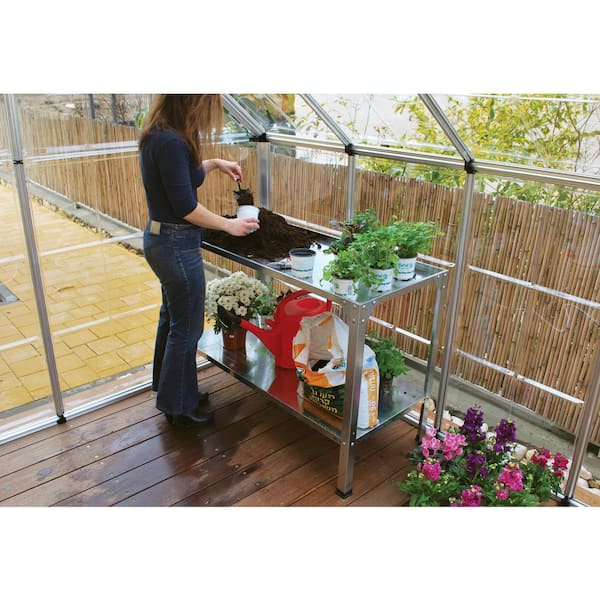
Greenhouse workers routinely suffer knee injuries from prolonged kneeling during planting, weeding, and harvesting, yet simple workstation adjustments can virtually eliminate this common problem. Traditional greenhouse design forces workers into sustained kneeling positions that accelerate cartilage wear and cause chronic joint pain, but height-adjustable solutions exist that maintain productivity while protecting worker health.
Mobile Kneeling Platforms That Pay for Themselves
Investing in these specialized platforms delivers immediate ergonomic benefits:
- Height-adjustable work tables that allow standing work for propagation and transplanting
- Rolling knee pads with suspension that move with workers rather than requiring constant repositioning
- Tilted work surfaces that bring tasks closer to eye level, reducing both knee strain and neck flexion
Farmers report these modifications typically pay for themselves within one growing season through reduced worker turnover, decreased injury claims, and maintained productivity from experienced workers who would otherwise develop debilitating knee problems.
Livestock Handling Systems That Prevent Handler Injuries
Livestock operations create unique ergonomic challenges as handlers manage unpredictable animal movements while maintaining awkward postures that strain backs and joints. The physical demands of guiding, restraining, and caring for animals often lead to serious injuries when proper ergonomic principles aren’t applied to facility design and handling techniques.
Engineering Controls for Safer Animal Handling
Implement these facility improvements to reduce physical strain:
- Curved raceways that use natural animal behavior to reduce pushing and chasing
- Adjustable-height working platforms that eliminate stooping during feeding and healthcare procedures
- Mechanical lift assists for moving newborn animals and heavy feed bags
- Non-slip flooring that reduces the muscular effort required to maintain footing
Proper Body Mechanics for Common Livestock Tasks
When handling animals, follow these biomechanical principles:
- Position your feet shoulder-width apart with one foot slightly forward for stability
- Keep your back straight and bend at the knees when lifting or restraining animals
- Use your body weight rather than arm strength to guide animal movement
- Avoid twisting motions—reposition your entire body when changing directions
Work-Rest Scheduling That Prevents Cumulative Fatigue
The timing and structure of work periods significantly impact musculoskeletal health in agricultural operations, yet many farms follow traditional schedules that ignore human physiological limits. Understanding how fatigue accumulates during physically demanding tasks allows you to design work-rest cycles that maintain productivity while protecting worker health.
Microbreak Strategy for Repetitive Tasks
Implement this scientifically validated break pattern during high-repetition work:
- 1-2 minute microbreak every 20-30 minutes of continuous task performance
- During breaks, perform gentle stretches targeting muscles used in the task
- Change position completely rather than just pausing the same posture
- Hydrate and assess for early signs of discomfort before resuming work
Farms that implement structured microbreak schedules report 30-40% reductions in work-related musculoskeletal disorders without sacrificing productivity, as workers maintain higher performance levels throughout their shifts when properly rested.
Immediate Ergonomic Improvements for Small Farms
Limited budgets shouldn’t prevent small farm operations from implementing effective ergonomic solutions. Many impactful changes require minimal investment but deliver substantial returns through reduced injuries and sustained worker capacity.
Low-Cost Interventions You Can Implement Tomorrow
- Create simple height-adjustable workstations using sturdy crates or pallets to eliminate stooping
- Install anti-fatigue mats in standing work areas for just $20-50 per station
- Provide padded knee savers instead of traditional kneeling pads for greenhouse work
- Organize tools and materials to minimize unnecessary reaching and twisting
Small farms that prioritize ergonomic improvements often see faster returns than larger operations, as each worker represents a more significant portion of their total capacity. Protecting even one key worker from career-ending injury can justify substantial ergonomic investments.
Building a Sustainable Ergonomic Culture on Your Farm
Successful implementation of ergonomics in agriculture requires more than isolated equipment purchases—it demands a cultural shift that values worker health as essential to operational success. The most effective programs integrate ergonomic considerations into daily decision-making and empower workers to identify and address potential problems before they cause injuries.
Start with a simple worksite analysis focusing on your three most physically demanding tasks. Involve workers in identifying specific pain points and brainstorming practical solutions that work within your operational constraints. Track your progress by monitoring reductions in reported discomfort and tracking how long experienced workers remain productive in physically demanding roles. Over time, these improvements will transform not just worker health but your farm’s overall efficiency and resilience.
When workers can maintain their physical capabilities throughout their careers, your farm benefits from accumulated knowledge, consistent performance, and reduced training costs for replacements. Implementing proper ergonomics in agriculture represents one of the highest-return investments you can make in your operation’s long-term sustainability and success.
Leave a Reply