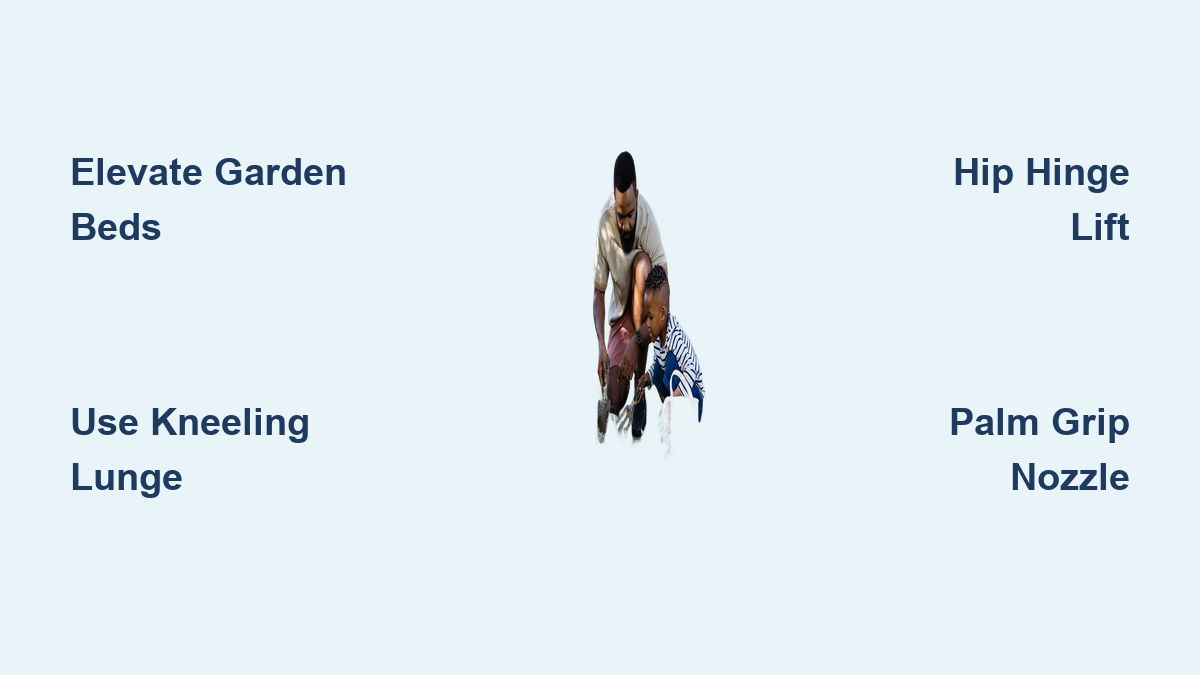
You’re kneeling in damp soil, reaching for that stubborn weed just beyond your comfort zone, when a sharp twinge shoots through your lower back. Or maybe you’ve just finished filling five wheelbarrows with mulch and now your shoulders feel like lead weights. If you’ve ever abandoned your garden mid-task due to aching muscles or stiff joints, you’re not alone. Millions of gardeners face preventable pain because they’re using bodies designed for hunting and gathering in ways our ancestors never imagined. The good news? Simple gardening ergonomics tips can transform your experience from painful chore to joyful ritual. By implementing these evidence-based adjustments, you’ll work smarter with less strain while protecting your joints for decades of gardening pleasure.
Gardening shouldn’t leave you sore for days afterward. Proper ergonomics—the science of designing tasks to fit the human body—can eliminate 90% of common gardening injuries. When you align your movements with your body’s natural mechanics, you’ll notice immediate improvements in endurance and comfort. This guide cuts through vague advice to give you actionable strategies that address specific pain points gardeners actually face. Whether you’re battling knee strain from prolonged kneeling or wrist fatigue from repetitive pruning, these proven techniques will help you garden longer with less discomfort. Let’s turn your garden into a sanctuary of movement rather than a source of pain.
Stop Bending Over: How to Garden Without Straining Your Back

Constant forward bending is the number one cause of gardening-related back injuries. That hunched position compresses spinal discs while overloading back muscles that weren’t designed for sustained flexion. You’ll dramatically reduce strain by keeping your spine in neutral alignment during all tasks. The key is maintaining a straight line from your ears through your shoulders and hips—no matter what you’re doing in the garden.
Elevate Your Garden Beds to Waist Height
Raised beds should sit at the height of your hip bone when standing naturally—not your waist. Measure from the ground to your greater trochanter (the bony protrusion at your hip joint) for your ideal height. At this level, you can work with elbows bent at 90 degrees while keeping your spine straight. For most adults, this means constructing beds between 24-32 inches tall depending on your height. When planting or weeding in these elevated beds, position your feet shoulder-width apart and pivot at the hips rather than rounding your spine. You’ll notice reduced lower back pressure within minutes of using this technique.
Use the Kneeling Lunge Position for Ground-Level Work
When working directly on soil, avoid the deep squat that stresses knees and ankles. Instead, adopt the kneeling lunge: place one knee squarely on a padded surface with the other foot flat on the ground, knee bent at 90 degrees. This position engages your core for stability while distributing weight evenly. Switch legs every 5-7 minutes to prevent one-sided strain. For extended tasks like weeding, slide forward on your kneeling pad rather than reaching excessively—your lumbar spine will thank you when you stand up later.
Kneeling Without Knee Damage: Smart Solutions for Ground-Level Tasks

Prolonged kneeling on hard surfaces transmits damaging pressure through knee joints, often causing bursitis or accelerating arthritis. The solution isn’t avoiding kneeling altogether—it’s modifying how you kneel to protect vulnerable joints while maintaining stability.
Choose Triple-Density Foam Kneeling Pads
Standard foam pads compress too quickly, transferring pressure to your knees within minutes. Look for pads with three distinct foam layers: a firm base for stability, medium-density middle layer for shock absorption, and soft top surface for comfort. The ideal pad measures at least 18×24 inches so you can shift positions without losing support. When kneeling, place the pad perpendicular to your work area so you can pivot on it without twisting your spine. Pro tip: Store your pad in a shaded spot—hot foam loses density faster.
Switch to a Garden Kneeler Seat for Tasks Over 15 Minutes
For weeding sessions longer than 15 minutes, a kneeler seat with reversible design becomes essential. Use the padded seat side when working on taller plants, then flip it to the kneeling platform for ground-level tasks. The critical feature? A wide, stable base that prevents tipping when you lean forward. When using the seat position, keep both feet flat on the ground with knees slightly higher than hips to maintain spinal alignment. This position reduces disc pressure by 40% compared to deep squatting while giving you stable hand placement for precision work.
Proper Lifting Techniques for Heavy Bags and Pots
Gardeners often injure themselves lifting seemingly light loads because they use poor mechanics. The real danger isn’t the weight—it’s twisting while lifting or holding loads away from your body. These techniques prevent the most common lifting injuries.
Master the Hip Hinge Lift for Soil Bags
Never bend at the waist to lift heavy bags. Instead, stand close to the load with feet shoulder-width apart. Push your hips straight back as if closing a car door with your rear, keeping your spine straight and chest up. Grip the bag securely against your body, then drive through your heels to stand. Keep the load centered over your midfoot—not in front of your body. For 40-pound soil bags, this method reduces spinal load by 300% compared to bent-over lifting. When placing bags in wheelbarrows, lower them straight down using the same hip hinge motion.
Avoid Twisting When Carrying Pots and Tools
Twisting while carrying loads is the fastest path to disc herniation. Always pivot your entire body by stepping in the direction you’re turning—never twist at the waist while holding weight. When moving potted plants, cradle the container against your torso with elbows bent at 90 degrees. For wheelbarrows, keep the handles at hip height so you can push without leaning forward. If you feel the need to twist frequently in one garden area, reposition your tool caddy every few minutes to face your current work zone.
Tool Handle Adjustments That Reduce Wrist and Shoulder Strain

Standard garden tools force wrists into unnatural positions that cause cumulative strain. Most hand pain comes from tools that don’t match your body mechanics—not from overuse.
Extend Short Handles with Foam Tubing
Pruners and trowels with short handles force wrist flexion that strains tendons. Slide 6-8 inches of closed-cell foam tubing (1/2-inch diameter) over existing handles. This extension lets you work with wrists in neutral alignment—straight, not bent. Secure the tubing with waterproof tape at both ends. You’ll immediately reduce carpal tunnel pressure while gaining 20% more leverage. For existing arthritis, choose tubing with built-in contoured grip zones that support natural finger placement.
Choose Curved-Handle Tools for Repetitive Tasks
Straight-handled rakes and hoes require constant wrist flexion that fatigues forearm muscles. Curved-handle versions (with 15-20 degree bends) align tools with your natural grip, keeping wrists straight during use. When testing tools, hold them as if working—your knuckles should form a straight line from hand to forearm. For digging, select a transplanting trowel with D-grip handles that distribute pressure across your palm rather than concentrating it on the heel of your hand. This simple change prevents the “gardener’s grip” that causes chronic thumb pain.
Watering Without Wrist Fatigue: Ergonomic Hose Strategies

Continuous trigger grip during watering causes “trigger finger” and tendonitis in 68% of frequent gardeners. These modifications eliminate the constant strain while improving watering precision.
Install Quick-Connect Nozzles with Palm Grips
Replace standard trigger nozzles with palm-grip models that you activate by pressing with your entire palm rather than just fingers. Look for ergonomic designs with textured, non-slip surfaces that fit your hand size. Hold the nozzle with your thumb underneath for support—never grip with thumb on top. When watering container plants, rest your forearm on the pot’s rim to eliminate arm fatigue. For extended sessions, attach a hose reel at waist height so you’re not fighting gravity to hold the hose.
Use Wrist Braces During Prolonged Watering
For gardeners with existing wrist issues, wear a lightweight neoprene brace with a rigid splint during watering sessions. This prevents excessive flexion while allowing necessary movement. Position the splint on the back of your hand (dorsal side) to restrict harmful bending without limiting grip strength. Pair this with a nozzle that has a lock-open feature for steady watering—just remember to disengage it during repositioning to avoid overwatering.
When to Stop: Recognizing Early Warning Signs
Pushing through discomfort leads to injuries that sideline you for weeks. Learn these critical signals that mean you should pause immediately.
Identify the Three Pain Thresholds That Require Rest
Stage 1: Mild muscle fatigue that disappears during activity (normal—continue with breaks). Stage 2: Persistent ache that lingers after stopping (warning—take 10-minute break). Stage 3: Sharp, localized pain or tingling (danger—stop immediately). If you experience Stage 2 symptoms, perform the “sit-test”: sit comfortably for 5 minutes. If pain returns upon standing, you’ve exceeded your safe threshold. Never work through Stage 3 symptoms—they indicate tissue damage occurring in real time.
Implement the 20-8-2 Work Rhythm
Set a timer for 20 minutes of focused gardening, followed by 8 minutes of low-intensity activity (like deadheading), then 2 minutes of active recovery (gentle stretching). This rhythm prevents cumulative strain while maintaining productivity. During recovery minutes, perform the “garden reset”: stand tall, roll shoulders back 5 times, then place hands on hips and gently rotate torso side-to-side. This simple routine resets spinal alignment and boosts circulation to fatigued muscles.
Final Note: These gardening ergonomics tips create immediate relief by working with your body’s design rather than against it. Start with just two adjustments this weekend—like elevating one garden bed and switching to palm-grip nozzles—and notice the difference in your energy levels. Remember that proper form matters more than frequency: 30 minutes of ergonomically sound gardening provides more benefit than two hours of painful work. For long-term joint health, incorporate the 20-8-2 rhythm into every session and never ignore Stage 2 pain signals. Your future self will thank you when you’re still comfortably harvesting tomatoes at 80 years old. Keep a small notepad in your garden shed to track which adjustments help most—your personalized pain-prevention plan is waiting to be discovered.
Leave a Reply