
Your ergonomic chair is likely the piece of furniture you use most frequently throughout your day. After months or years of continuous use, it accumulates dust, sweat, skin oils, and general grime that not only looks unpleasant but can also degrade the materials and potentially affect your comfort and health. Regular cleaning of your ergonomic chair isn’t just about aesthetics—it’s an essential maintenance task that extends the lifespan of your investment and keeps your workspace hygienic.
Over time, the accumulation of body oils in the seat cushion and backrest can break down upholstery materials, while debris caught in the wheel mechanisms can cause squeaking and reduced mobility. The good news is that cleaning an ergonomic chair is a straightforward process that most people can complete in under an hour with basic household supplies. This guide will walk you through everything you need to know, from gathering the right supplies to addressing specific materials like mesh, leather, fabric, and vinyl upholstery.
Whether you’re maintaining a chair in a home office, a corporate environment, or a healthcare setting, the principles remain largely the same—though certain environments may require more frequent attention. By following a consistent cleaning routine, you can keep your ergonomic chair looking and feeling like new for years to come.
Remove Surface Debris Before Deep Cleaning
Before applying any liquids, eliminating loose particles prevents them from becoming embedded in the upholstery during the wet cleaning process. This critical first step often gets overlooked but makes a dramatic difference in your final results.
Start by vigorously shaking out any removable cushions to dislodge crumbs and loose debris. For chairs without removable cushions, turn the chair upside down (if possible) and give it several firm taps along the seat and backrest to release trapped particles. Use your hands to flick away any visible crumbs from crevices and seams.
Pay special attention to the gap between the seat and backrest, where food particles, paper clips, and other small office items frequently collect. A flashlight helps reveal hidden debris in these shadowed areas. For chairs with mesh backs, run your fingers across the surface to detect and remove any trapped hair or fibers that might snag the material during cleaning.
Prepare Your Chair for Effective Cleaning
Proper preparation prevents damage to your flooring and ensures you can access every part of the chair during cleaning. Move your ergonomic chair to a well-ventilated area with easy-to-clean flooring—this simple step avoids creating a mess on your office carpet.
Before starting, adjust your chair to its lowest position to make all surfaces more accessible. Remove any detachable components like headrests, lumbar supports, and seat cushions according to your chair’s manual. This allows you to clean each piece thoroughly without missing hidden areas.
Document how components fit together by taking photos with your phone before disassembly—this prevents confusion when reassembling. Place all small parts in a labeled container to avoid losing them. For chairs with fabric or mesh components, check manufacturer instructions for any specific cleaning limitations before proceeding.
How to Safely Remove Chair Casters
Most ergonomic chairs feature removable casters that need cleaning but require proper technique to avoid damage. Pull straight upward with firm, steady pressure on each caster until it releases from the wheel hub—never twist or yank at an angle.
If casters resist removal, place the chair upside down on a soft surface and gently tap the base around each caster with a rubber mallet. For stubborn casters, apply downward pressure on the chair base while pulling up on the caster. Place removed casters in a container with soapy water to soak while you clean other chair components.
Deep Clean Upholstery by Material Type

Each upholstery material requires specific cleaning techniques to avoid damage while achieving optimal results. Applying the wrong cleaning method can ruin your chair’s appearance and compromise its structural integrity.
Mesh Chair Deep Cleaning Process
Mesh ergonomic chairs demand special care due to their delicate weave structure. Use a soft-bristled toothbrush to gently loosen embedded particles without snagging the mesh fibers—this prevents tears that compromise support.
Mix one teaspoon of mild dish soap in one cup of lukewarm water. Dip a microfiber cloth in the solution, then wring it out until almost dry. Gently wipe the mesh in circular motions, working from top to bottom. For stubborn debris trapped in the weave, use the toothbrush with minimal pressure. Rinse by wiping with a clean, damp cloth, then finish with a dry cloth.
Never saturate mesh upholstery—excess moisture can lead to mold growth in the padding underneath. Allow the chair to air dry upright for at least 2 hours before use, rotating it periodically to ensure even drying.
Leather and Vinyl Chair Restoration
Genuine leather and vinyl upholstery require different approaches despite their similar appearance. Test any cleaning product on an inconspicuous area first—what works on vinyl may damage genuine leather.
For genuine leather: Apply a small amount of pH-balanced leather cleaner to a microfiber cloth and wipe in circular motions. Immediately follow with a leather conditioner to prevent drying and cracking. For vinyl: Use a 50/50 mix of water and white vinegar on a soft cloth to remove grime without damaging the synthetic surface.
Address scuffs on vinyl with a magic eraser (melamine foam) using light pressure. For leather, gently rub scuffs with a clean pencil eraser. Avoid using saddle soap on modern leather chairs as it can strip factory finishes.
Fabric Chair Stain Removal Techniques
Fabric ergonomic chairs pose unique cleaning challenges due to their absorbent nature. Blot spills immediately with a clean, absorbent cloth—rubbing spreads stains deeper into the fibers.
For general cleaning: Mix one tablespoon of mild detergent in two cups of warm water. Dip a clean cloth in the solution, wring thoroughly, and gently dab the fabric. Work from the stain’s outer edge toward the center to prevent spreading. Rinse by dabbing with a clean, damp cloth.
For stubborn stains: Create a paste of baking soda and water, apply to the stain, let dry completely, then vacuum. For ink stains, apply rubbing alcohol to a cotton swab and dab gently—test first as alcohol may discolor some fabrics. Always finish by sprinkling baking soda over cleaned areas to absorb residual moisture and odors.
Clean and Disinfect High-Touch Areas
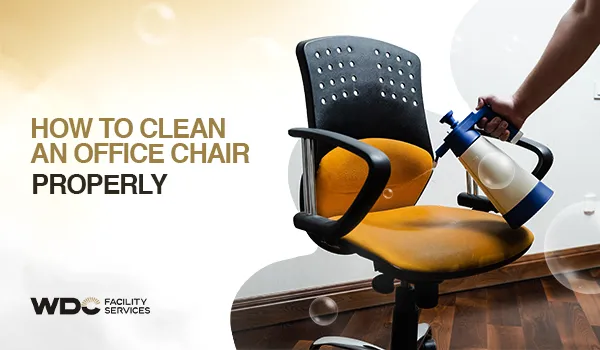
Armrests, height adjustment levers, and tilt controls accumulate more bacteria than most people realize. Sanitize these surfaces weekly using 70% isopropyl alcohol to eliminate germs without damaging plastic or metal components.
Focus on areas where skin contact occurs: the tops of armrests, the sides of the seat where thighs rest, and the backrest where your spine contacts the chair. For leather or fabric armrests, use disinfectant wipes designed for those materials to avoid drying or discoloration.
Pay special attention to the crevices around adjustment mechanisms where skin cells and oils accumulate. A cotton swab dipped in alcohol effectively cleans these tight spaces. For chairs in shared workspaces, increase sanitizing frequency to prevent germ transmission between users.
Maintain Wheel Casters for Smooth Mobility
Clogged casters not only look unsightly but can damage your flooring and strain your chair’s base. Clean casters monthly in high-traffic environments to maintain smooth rolling and prevent floor scratches.
After removing casters as described earlier, use dental floss to slice through hair and thread wrapped around the wheel axles. Soak particularly dirty casters in warm, soapy water for 15 minutes before scrubbing with an old toothbrush. Rinse thoroughly and allow to dry completely before reinserting.
For chairs that roll poorly after cleaning, apply a small amount of silicone lubricant (not WD-40) to the caster stems before reinserting. This creates smoother movement without attracting additional dust. Check manufacturer recommendations as some chairs have self-lubricating casters that shouldn’t be treated with additional lubricants.
Prevent Future Stains with Proactive Protection
Applying protective treatments after cleaning extends time between deep cleaning sessions. Use fabric protector spray on cloth upholstery and leather conditioner on genuine leather to create a barrier against spills and stains.
For mesh chairs, a light application of anti-static spray reduces dust accumulation. Avoid using furniture polish on any part of your ergonomic chair as it can create slippery surfaces and damage mechanisms.
Consider using a chair cover in high-risk environments like kitchens, art studios, or with young children. Look for breathable, elasticized covers that fit snugly without interfering with chair adjustments. For executive chairs, a leather protector spray creates an invisible shield against oils and spills.
Establish a Cleaning Schedule Based on Usage
Tailoring your cleaning frequency to actual chair usage prevents unnecessary maintenance while protecting your investment. Daily wipe-downs of armrests and weekly vacuuming maintain chairs in home offices, while commercial settings need more rigorous schedules.
Create a simple cleaning log: Note when you perform each maintenance task to identify patterns in wear and determine optimal cleaning intervals. Chairs used 8+ hours daily typically need deep cleaning every 3 months, while occasional-use chairs may only require it annually.
Track specific problem areas that develop quickly on your chair—this helps target future cleaning efforts efficiently. If you notice rapid buildup in certain areas, increase cleaning frequency for those specific components rather than over-cleaning the entire chair.
Final Note: Regular ergonomic chair maintenance preserves comfort, extends product life, and creates a more hygienic workspace. By implementing these targeted cleaning techniques specific to your chair’s materials and usage patterns, you’ll maintain optimal performance and appearance for years. Start with a thorough cleaning session today, then incorporate the weekly and monthly maintenance habits that match your specific work environment. Your investment in proper chair care will pay off through improved comfort, better posture support, and avoiding premature replacement costs.
Leave a Reply