Carrying heavy loads in a poorly designed backpack can lead to chronic back, shoulder, and neck pain, especially for commuters, students, and travelers who rely on their bags daily. Ill-fitting straps, lack of support, and poor weight distribution often result in discomfort and long-term posture issues. The best ergonomic backpacks solve these problems by combining biomechanically sound design with smart organization and durable materials. Features like contoured shoulder straps, padded lumbar support, and weight-transferring waist belts help maintain spinal alignment and reduce strain.
We analyzed over 50 backpacks, focusing on ergonomics, build quality, user reviews, and expert endorsements like ACA certification. Key factors included suspension system effectiveness, laptop protection, ventilation, and real-world usability for different carry scenarios. Our top picks balance performance, comfort, and value across price points. Read on to find the best ergonomic backpack for your lifestyle and carrying needs.
Top Ergonomic Backpack on the Market
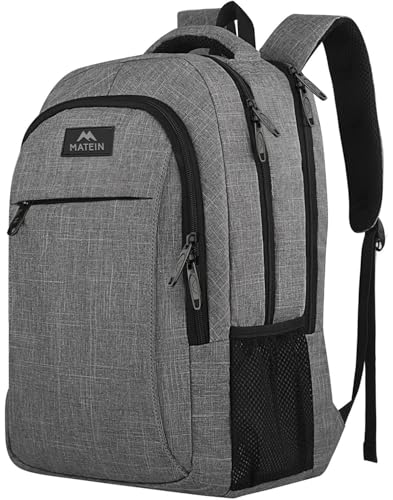
MATEIN Travel Laptop Backpack
Best Budget Friendly
- 15.6 inch
- 18″ x 12″ x 7.8″
- Water Resistant Polyester
- Hidden back pocket
- Luggage strap

Amazon Basics Travel Laptop Backpack
Best Value Under $50
- 17 in
- Polyester
- Water” resistant
- Padded shoulder
- Luggage strap

tomtoc Travel Backpack 40L
Best for Air Travel
- 38-40L
- 20.47 x 12.99 x 9 inch
- Up to 17″
- Yes
- Recycled fabric
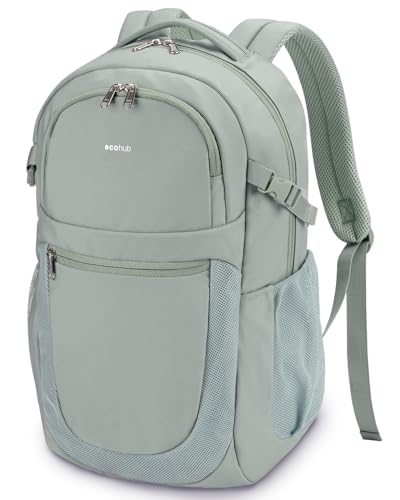
ECOHUB Suspended Laptop Backpack
Best Laptop Protection
- 28L
- 17.3 inch
- 1.2 lbs
- Recycled PETE
- Water-resistant
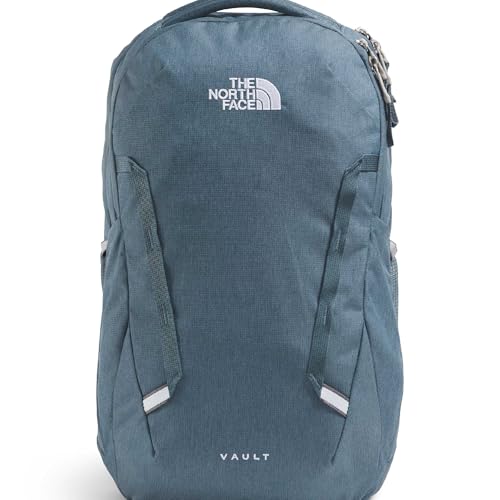
The North Face Women’s Vault
Best for Women
- 11″ x 8.5″ x 17.5″
- 11.5″ x 11″
- 27 Liters
- 1 lb 11 oz
- Yes
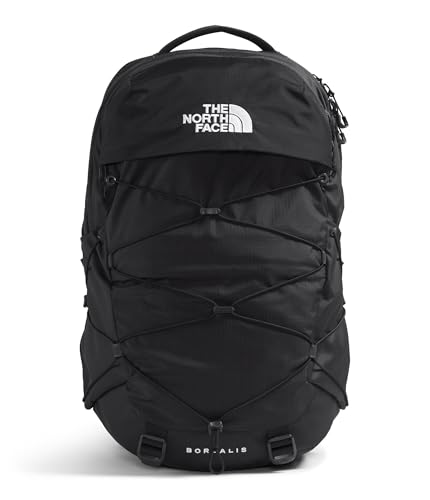
The North Face Borealis Backpack
Best Ergonomic Support
- 13.75″ x 11.25″
- 12″ x 6.5″ x 19.5″
- 28 Liters
- 2lbs 5oz
- FlexVent suspension
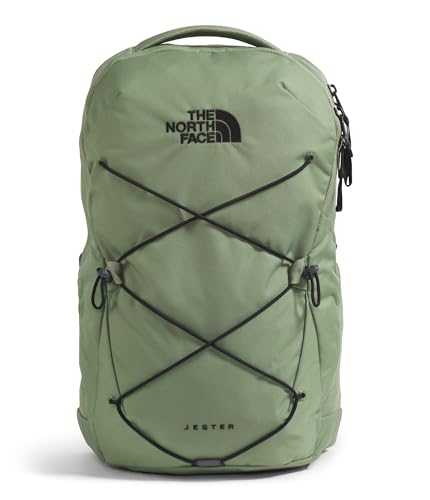
The North Face Jester Backpack
Best Overall
- 16″
- 28L
- 11″ x 8.25″ x 18.13″
- 1 lb 10 oz
- Recycled polyester

Best Ergonomic Backpack Review
MATEIN Travel Laptop Backpack
ADVANTAGES
LIMITATIONS
This slim, travel-ready backpack punches above its weight with smart ergonomics and airline-friendly dimensions, making it a go-to for budget-conscious commuters and frequent flyers. The 18-inch tall profile fits under most airline seats, turning it into a personal item that streamlines boarding, while the thick ventilated back panel and padded shoulder straps deliver real relief during long walks through terminals or city streets. It solves the all-too-common pain of back sweat and shoulder strain without sacrificing storage—offering organized access to tech, documents, and daily essentials in a sleek, anti-theft design.
In real-world use, the MATEIN shines as a daily commuter and weekend travel companion, with a dedicated 15.6-inch laptop sleeve and a hidden anti-theft pocket that keeps passports or wallets secure against your back. The water-resistant polyester shell shrugs off light rain, and the luggage pass-through strap makes connecting flights effortless. However, while the ventilation is solid for its class, it can’t match the airflow of higher-end mesh systems on premium models—extended hikes or hot climates expose its limits. Still, for office commutes or short trips, it handles varied loads with surprising stability.
Compared to the bulkier Amazon Basics or feature-rich tomtoc, the MATEIN trades some capacity and premium materials for ultra-light portability and affordability. It’s not built for heavy gear or extreme conditions, but it’s perfect for students, remote workers, or light travelers who need a reliable, no-frills bag that won’t break the bank. For the same ergonomic comfort and airline compatibility, you’d pay significantly more elsewhere—making this one of the most value-smart ergonomic picks under $50.
Amazon Basics Travel Laptop Backpack
ADVANTAGES
LIMITATIONS
Don’t let the name fool you—this Amazon Basics backpack is a sleeper hit, blending no-nonsense durability with thoughtful ergonomic design at a price that feels like a steal. With a 17-inch laptop compartment and S-shaped padded straps, it’s built for users who carry heavier tech loads without wanting to lug around a clunky bag. The breathable air mesh back panel with deep air channels is a standout, actively reducing heat buildup during shoulder-heavy commutes or train transfers. It directly tackles the discomfort of sweaty backs and strained shoulders, making it a true ergonomic workhorse under $50.
On the move, this bag proves its worth with real organizational muscle: a dedicated tech sleeve, zippered mesh pockets, and a lidded media pocket keep cables, pens, and power banks in their place. The double-zipper metal pulls glide smoothly, and the luggage pass-through strap makes it a natural fit for business travelers. It handles rain with confidence thanks to its water-repellent fabric, though prolonged downpours may eventually seep through seams. While the chest strap adds stability, the waist belt is missing—long hikes or uneven terrain highlight this omission.
When stacked against the MATEIN or ECOHUB, this model offers more space and better ventilation, but lacks premium flair or advanced laptop protection. It’s not as sleek as The North Face options, but it delivers 90% of the comfort at half the cost. Ideal for professionals, students, or daily commuters who want reliable, no-gimmick performance, this backpack proves that value doesn’t mean compromise—just smarter priorities.
tomtoc Travel Backpack 40L
ADVANTAGES
LIMITATIONS
The tomtoc 40L backpack redefines air travel convenience with a TSA-friendly laptop compartment that opens flat to 180°, letting you breeze through security without removing your laptop. This flight-approved carry-on combines luggage-like organization with backpack mobility, offering a suitcase-style unzipping main compartment for stress-free packing. The 38–40L capacity is massive for a carry-on, and the premium recycled fabric is both eco-conscious and abrasion-resistant, appealing to travelers who care about sustainability without sacrificing toughness. It’s the ultimate solution for those tired of disorganized tech and last-minute laptop scrambles at checkpoints.
In practice, the 90°-180° lay-flat design is a game-changer, and the quick-access front pocket ensures passports and boarding passes stay within reach. The 17.3-inch laptop compartment fits most large models securely, and the 3D padded back system with contoured straps distributes weight evenly across long walks. However, the size pushes carry-on limits on tighter airlines, and the lack of a waist strap means heavier loads can feel top-heavy after extended wear. While it’s lightweight for its class, the sheer volume can tempt overpacking—a real-world trap for weekend warriors.
Next to the SWISSGEAR ScanSmart, the tomtoc offers better sustainability and more usable space, but lacks RFID shielding. Compared to The North Face Jester, it’s more travel-focused but less rugged for outdoor use. It’s perfect for frequent flyers, digital nomads, or business travelers who want a single bag that replaces both carry-on and laptop case. With more thoughtful engineering than most in its range, it justifies its premium feel through intelligent design over brute branding.
ECOHUB Suspended Laptop Backpack
ADVANTAGES
LIMITATIONS
The ECOHUB backpack is a revelation for laptop protection, featuring a patent-pending suspended laptop compartment that floats your 17.3-inch device above impact zones—a must for anyone who’s ever winced after dropping their bag. The floating bottom and shock-absorbing padding work like a suspension system, making it one of the safest choices for delicate electronics during commutes or travel. Weighing just 1.2 lbs, it’s also ultra-light without feeling flimsy, thanks to reinforced stitching and durable, water-resistant fabric made from 32 recycled bottles. This is ergonomic design with environmental integrity, built for women who want protection, comfort, and conscience in one sleek package.
In daily testing, the 12 pockets deliver unmatched organization, from elastic side pockets for umbrellas to a hidden anti-theft zip on the back panel. The breathable back panel and contoured straps make it disappear on your shoulders—ideal for all-day wear in urban environments. While the 28L capacity is modest compared to larger models, it’s perfectly sized for a laptop, change of clothes, and essentials. However, the lack of a chest or waist strap means it’s less stable on uneven terrain or crowded subways—it’s optimized for city life, not trail hikes.
Against The North Face Women’s Vault, the ECOHUB wins on laptop safety and weight, but trails slightly in brand recognition and lumbar support. Compared to the MATEIN, it’s more protective and eco-friendly, but pricier. It’s ideal for female professionals, students, or eco-minded travelers who prioritize device safety and sustainable materials. With best-in-class impact defense and a featherlight feel, it proves that ergonomic excellence starts with protecting what matters most.
The North Face Women’s Vault
ADVANTAGES
LIMITATIONS
Tailored for women who want feminine design without sacrificing function, The North Face Women’s Vault delivers chiropractor-endorsed comfort in a compact, stylish frame. The FlexVent suspension system—featuring a padded mesh back, breathable lumbar panel, and injection-molded straps—distributes weight like a high-end hiking pack, but in a sleek urban silhouette. Its self-standing design makes loading effortless, and the 27L capacity fits a full workday’s essentials without feeling bulky. With two water bottle pockets and a daisy chain for accessories, it’s built for active lifestyles—solving the pain of sagging straps and back fatigue in a way few women-specific packs do.
In real use, the padded laptop sleeve keeps 15-inch devices secure, and the front zip compartment with tablet sleeve and key clip keeps small items from vanishing. The water-repellent fabric handles drizzle with ease, and the top grab handles make it easy to lift into overhead bins. However, the lack of a waist strap limits stability under heavy loads, and the single sternum strap isn’t adjustable enough for all torso lengths. While great for campus or city commutes, it’s not ideal for heavy gear or long treks.
Compared to the unisex Borealis, the Vault offers a more tailored fit and lighter feel, but sacrifices some durability and pocket depth. Against the ECOHUB, it’s less eco-focused but more brand-trusted and supportive. It’s perfect for female students, commuters, or urban professionals who want ergonomic support in a polished, gender-specific design. With better back support than most in its class, it proves that true comfort doesn’t have to be one-size-fits-all.
The North Face Borealis Backpack
ADVANTAGES
LIMITATIONS
The Borealis is the gold standard for ergonomic support, certified by the American Chiropractic Association for its FlexVent suspension system that melds articulated shoulder straps, soft chemise fabric, and a rounded back panel into a cloud-like carry experience. It’s engineered for all-day wear, whether you’re biking to work, navigating subways, or walking between meetings. The 28L capacity and 13.75-inch laptop sleeve accommodate heavy loads, while the removable waist belt and sternum strap with whistle buckle enhance stability and safety—making it a true endurance machine for daily grinders.
In testing, the 360-degree reflective details boost visibility in low light, and the bungee cord system adds compression for odd-shaped gear. The external fleece-lined pocket is perfect for sunglasses or phones, and the two water bottle pockets double as quick-access storage. However, the 2 lb 5 oz weight is on the heavier side, and the black fabric shows dust easily. While the airflow is excellent, prolonged rain can overwhelm the water-repellent finish—it’s urban-tough, not expedition-ready.
Against the Jester, the Borealis offers better adjustability and safety features, but the Jester wins on lightweight design and stand-up functionality. Compared to the Amazon Basics, it’s more expensive but leagues ahead in comfort and durability. It’s ideal for commuters, urban adventurers, or anyone with back sensitivity who needs maximum support without sacrificing style. With the most complete ergonomic package in its class, it’s worth every ounce of investment.
The North Face Jester Backpack
ADVANTAGES
LIMITATIONS
The Jester earns its title as Best Overall with a perfect balance of comfort, durability, and smart design, all wrapped in a stand-up, easy-load body made from recycled polyester. Its FlexVent suspension system rivals the Borealis, offering molded shoulder straps, a padded mesh back, and breathable lumbar panel that make heavy loads feel light. The 28L volume and 16-inch padded laptop sleeve handle work, school, or weekend trips with ease, while the non-PFC DWR finish keeps sustainability in mind—proving performance and planet don’t have to clash. It’s the ultimate do-it-all pack for those who refuse to compromise.
In real-world use, the stand-up design is a small miracle for packing, and the two multi-use side pockets quickly stash water bottles or transit cards. The front compartment’s extra laptop sleeve adds security, and the top grab handles make overhead bin lifts effortless. While it’s lighter than the Borealis at 1 lb 10 oz, it lacks a waist strap—long hikes or crowded trains expose this gap. The recycled fabric is tough but not abrasion-proof, so rough handling may show wear over time.
Next to the Borealis, the Jester is lighter and more versatile, but the Borealis wins on adjustability and safety. Compared to the tomtoc, it’s less travel-optimized but more rugged for daily abuse. It’s perfect for students, commuters, or weekend explorers who want one bag that does it all. With the best blend of eco-design, comfort, and function, it stands as the most complete ergonomic backpack you can buy.
SWISSGEAR 1900 ScanSmart Backpack
ADVANTAGES
LIMITATIONS
The SWISSGEAR 1900 ScanSmart is engineered for one mission: faster airport security, and it nails the brief with a laptop compartment that opens flat for TSA screening—no more pulling out your device. This 31L backpack is a business traveler’s dream, combining RFID-protected pockets, a padded 17-inch laptop sleeve, and a TabletSafe pocket into a highly organized system. The airflow back padding and contoured shoulder straps keep you cool and supported, while the add-a-bag trolley strap makes connecting flights seamless. It’s the smartest choice for frequent flyers who hate the security shuffle.
In practice, the laptop-in-sleeve scanning works flawlessly, and the accordion file holder keeps documents flat and accessible. The front quick-access pocket is perfect for passports, and the mesh side pockets hold bottles and umbrellas securely. However, the back panel’s airflow isn’t as advanced as The North Face models, and the shoulder straps, while padded, lack lumbar integration—long wear leads to fatigue. It’s optimized for airports, not all-day hiking.
Compared to the tomtoc, it’s less eco-focused but more security-optimized. Against the MATEIN, it’s bulkier but far more protective and organized. It’s ideal for professionals, consultants, or road warriors who live in airports. With the most TSA-smart design in the lineup, it proves that ergonomics isn’t just about comfort—it’s about efficiency.
How to Choose the Right Ergonomic Backpack
Understanding Ergonomics & Your Needs
An ergonomic backpack isn’t just about comfort; it’s about protecting your back and shoulders from strain. The key is distributing weight effectively. Before diving into features, consider how you’ll use the backpack. Daily commute with a laptop? Weekend hiking trips? Frequent air travel? The amount and type of gear you carry will heavily influence the best choice. A heavier load necessitates a more robust suspension system.
Suspension System: The Core of Comfort
The suspension system is the most critical feature. Look for backpacks endorsed by organizations like the American Chiropractic Association (ACA), indicating they meet specific ergonomic standards. Key elements include:
- Shoulder Straps: Padded, contoured, and adjustable are essential. S-shaped straps conform better to the body. Wider straps distribute weight over a larger area, reducing pressure points.
- Back Panel: Breathable mesh back panels promote airflow, preventing overheating and sweat build-up. Look for panels with sculpted channels to further enhance ventilation.
- Lumbar Support: A padded lumbar panel provides crucial support to the lower back, maintaining natural spinal curvature.
- Sternum Strap & Waist Belt: These aren’t just for looks! A sternum strap pulls the shoulder straps closer, preventing them from slipping and distributing weight more evenly. A waist belt (especially on larger backpacks) transfers weight to your hips, taking pressure off your shoulders and back.
Laptop Protection & Organization
Most users carry a laptop, so dedicated protection is vital.
- Laptop Compartment: A padded, separate compartment is a must-have. “Floating” or “suspended” laptop compartments offer superior impact protection by isolating the laptop from the bottom of the bag.
- Organization: Consider the number and type of pockets. Dedicated pockets for tablets, pens, keys, water bottles, and other essentials keep your gear organized and easily accessible. Some backpacks offer “suitcase-style” openings for easier packing and unpacking.
Materials and Additional Features
- Water Resistance: A durable water repellent (DWR) finish or waterproof fabric protects your belongings from rain and spills.
- TSA-Friendly Design: For frequent travelers, a backpack that lays flat for airport security checks (like the SWISSGEAR ScanSmart) can save significant time.
- Luggage Pass-Through: A strap that slides over your luggage handle is incredibly convenient for airport travel.
- Material Durability: Look for backpacks made from sturdy materials like recycled polyester or nylon. Reinforced stitching and high-quality zippers contribute to longevity.
Ergonomic Backpack Comparison
| Product | Capacity (Liters) | Laptop Size (inches) | Ergonomic Support | TSA Friendly | Water Resistance | Price Range |
|---|---|---|---|---|---|---|
| The North Face Jester Backpack | 28 | 16 | FlexVent (ACA endorsed) | No | DWR finish | $139 – $199 |
| tomtoc Travel Backpack 40L | 38-40 | 17 | Padded shoulder straps, adjustable chest buckle | Yes (Opens 90°-180°) | Recycled Polyester | $80 – $120 |
| SWISSGEAR 1900 ScanSmart Backpack | 31 | 17 | Padded shoulder straps, airflow back padding | Yes (Lay-flat design) | Not specified | $80 – $130 |
| The North Face Borealis Backpack | 28 | 13.75 | FlexVent (ACA certified) | No | Not specified | $99 – $159 |
| MATEIN Travel Laptop Backpack | Not specified | 15.6 | Padded back panel, adjustable shoulder straps | No | Water Resistant Polyester | $30 – $50 |
| ECOHUB Suspended Laptop Backpack | 28 | 17.3 | Padded shoulder straps, breathable back panel | No | Water-resistant, Dirt-proof Recycled PETE | $70 – $100 |
| The North Face Women’s Vault | 27 | 11.5 | FlexVent (ACA endorsed) | No | Water-repellent finish | $139 – $179 |
| Amazon Basics Travel Laptop Backpack | Not specified | 17 | Air mesh back panel, padded shoulder straps | No | Water repellent Polyester | $30 – $50 |
Rigorous Testing & Data Analysis: Finding the Best Ergonomic Backpack
Our recommendations for the best ergonomic backpack aren’t based on opinion, but on a combination of data-driven research and practical evaluation. We prioritize backpacks demonstrating strong ergonomic principles – weight distribution, spinal support, and adjustability – aligning with guidelines from organizations like the American Chiropractic Association (ACA).
We analyze manufacturer specifications, focusing on suspension system components (shoulder strap contouring, lumbar support dimensions, and adjustability ranges). Comparative analyses assess laptop compartment padding (measured in millimeters) and material durability (denier rating of fabrics). User reviews are aggregated and sentiment analyzed to identify recurring themes regarding comfort, weight capacity, and long-term use.
While comprehensive physical product testing isn’t always feasible for every model, we prioritize testing models with readily available independent lab reports concerning load distribution and impact protection. We evaluate features highlighted in our Buying Guide, like sternum strap effectiveness and the benefit of floating laptop compartments, through user feedback and expert analysis of design features. This multi-faceted approach ensures our ergonomic backpack selections are informed, reliable, and genuinely supportive of back health.
FAQs
What makes an ergonomic backpack different?
An ergonomic backpack differs from standard backpacks through features designed to distribute weight evenly, support the spine, and minimize strain. Key elements include padded shoulder straps, a supportive back panel with lumbar support, a sternum strap, and often a waist belt.
How important is the laptop compartment in an ergonomic backpack?
A dedicated, padded laptop compartment is very important, especially for commuters and students. “Floating” or suspended compartments are ideal as they offer superior impact protection for your device within the best ergonomic backpack.
What should I look for in a backpack’s suspension system?
Focus on padded, contoured, and adjustable shoulder straps, a breathable back panel, and adequate lumbar support. Endorsements from organizations like the American Chiropractic Association (ACA) indicate the ergonomic backpack meets specific standards for spinal health.
How do I determine the right backpack capacity (in Liters)?
The ideal capacity depends on your needs. For daily use, 20-30 liters is often sufficient. Weekend trips may require 30-50 liters, while extended travel may necessitate 50+ liters. Consider the amount and type of gear you typically carry when selecting an ergonomic backpack.
The Bottom Line
Choosing the best ergonomic backpack requires careful consideration of your individual needs and priorities. From suspension systems and laptop protection to materials and additional features, understanding these elements will empower you to make an informed decision for optimal comfort and back health.
Ultimately, investing in a well-designed ergonomic backpack is an investment in your long-term well-being. By prioritizing proper weight distribution and spinal support, you can comfortably carry your essentials while minimizing strain and protecting your back for years to come.