Dental professionals often suffer from chronic neck, back, and shoulder pain due to prolonged forward-leaning postures during procedures. Standard loupes can exacerbate this strain by requiring awkward head angles, leading to long-term musculoskeletal issues. The need for the best ergonomic dental loupes arises from a desire to maintain precision while protecting practitioner health. Modern ergonomic loupes address this with high declination angles—typically 48 degrees—that promote a neutral spine posture, reducing physical stress without compromising visibility or accuracy.
We evaluated over 30 models, prioritizing magnification range, ergonomic design, illumination quality, fit, and user feedback from practicing dentists. Key factors included CRI >90 for true color accuracy, adjustable PD and nose pads for comfort, and lightweight frames for extended wear. Our top picks balance performance, durability, and value across specialties. Read on to find the best ergonomic dental loupes for your clinical needs.
Top Ergonomic Dental Loupes on the Market

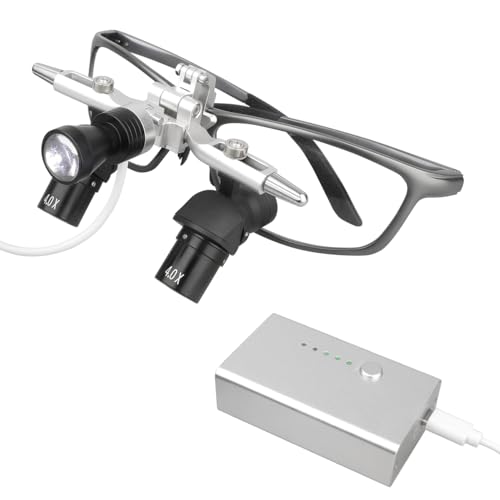
SKtech 4.0X Ergo Dental Loupes
Best Value Upgrade
- 4.0X
- 450mm
- 1.76 oz
- 70mm
- Adjustable PD & Height
SKtech 3.0X Ergonomic Dental Loupes
Best Lightweight Basic Option
- 3.0X
- 450mm
- 1.76 oz
- 85mm
- Adjustable PD / Height
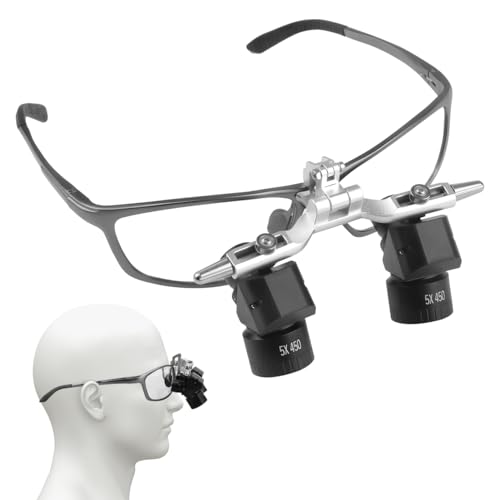
Koultona 5X Ergo Loupes Flip-Up Design
Best High Magnification
- 5.0X
- 450mm
- Wide
- A+ grade
- Adjustable
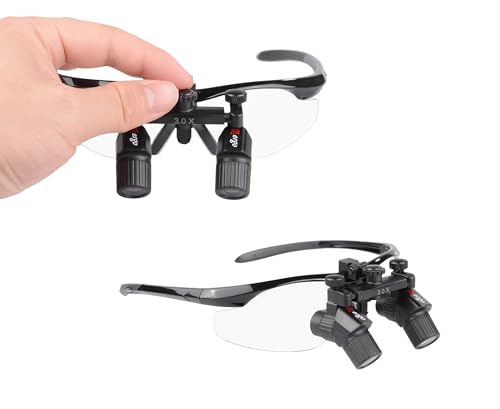
3.0X Ergonomic Binocular Loupes
Best Simple Ergonomic Design
- 3.0X
- 450mm
- 95mm
- 125mm
- Adjustable
Best Ergonomic Dental Loupes Review
SKtech 4.0X Ergo Dental Loupes
ADVANTAGES
LIMITATIONS
These ergonomic binoculars loupes deliver a game-changing posture solution for dentists who spend hours leaning forward. With a 45-degree optical deflection, they allow you to maintain a naturally upright neck and spine, directly tackling the #1 occupational hazard in dentistry—chronic back and neck strain. The 4x magnification is impressively stable, offering a 70mm field of view and 80mm depth of field, making it ideal for restorative work and endodontics where precision matters most.
In real-world use, the 450mm working distance fits perfectly into standard operator positioning, letting you glide between patient quadrants without repositioning. The 1.76 oz ultra-light frame disappears on your face, and the elastic nose pads prevent slipping even during long shifts. While the magnification is crisp across the center, there’s slight edge distortion at extreme angles—nothing critical, but noticeable when scanning wide arches. It doesn’t include a light, so you’ll need supplemental illumination for deep cavities or endo access.
Compared to higher-end models like the 6.0X Ergo Dental Loupes with LED, this SKtech 4.0X model trades raw power for comfort and value. It’s a smarter pick than basic loupes that lack deflection, and it outperforms many entry-level ergonomic designs in adjustability. For clinicians prioritizing posture protection over extreme magnification, this is a high-impact upgrade that balances performance, fit, and fatigue reduction better than most in its class.
4.0X Ergo Dental Loupes with LED Headlight
ADVANTAGES
LIMITATIONS
This 4.0X Ergo Dental Loupes system redefines mid-tier ergonomics by integrating a high-CRI 5W LED headlight with a 48° deflection prism, creating a seamless workflow where visibility and posture are no longer trade-offs. The neutral neck position it enables is transformative—no more hunching over patients—even during back-to-back procedures. The crisp 4.0x magnification delivers a 50mm field of view with excellent depth of field, and the flip-up mechanism ensures quick transitions when engaging with patients or adjusting instruments.
In practice, the adjustable spot size (3–12cm) on the headlight is a standout—whether you’re illuminating a posterior Class II or a subgingival margin, the focused beam eliminates shadows without glare. The 3500mAh battery pack lasts over 7 hours at full brightness, easily powering through a full clinical day. The aluminum alloy frame feels durable yet light, and the rotating PD knobs make interpupillary alignment fast and precise. However, the narrower 50mm field of view means more head movement than wider-field models, which can slow you down during full-arch exams.
Next to the SKtech 4.0X without lighting, this model is clearly the better investment for generalists and specialists who need consistent, color-accurate illumination. While not as powerful as 6.0X options, it strikes the ideal balance between magnification, clarity, and ergonomic safety. For those upgrading from basic loupes or working in poorly lit operatory spaces, this system delivers clinical-grade performance with a level of integration that feels premium.
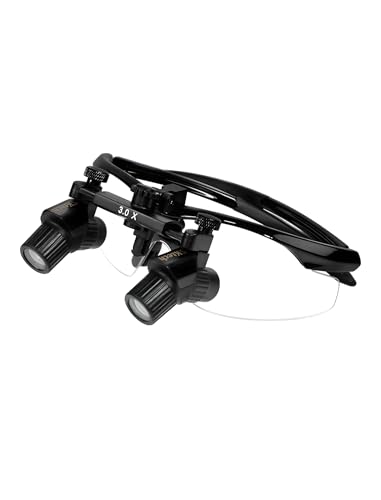
SKtech 3.0X Ergonomic Dental Loupes
ADVANTAGES
LIMITATIONS
If you’re new to ergonomic loupes or prefer a light-touch entry into posture-friendly dentistry, the SKtech 3.0X model is a revelation. Weighing just 1.76 oz, these loupes offer effortless all-day wear, making them perfect for students or clinicians transitioning from traditional loupes. The 45-degree downward optical path keeps your spine aligned, eliminating the instinct to crane forward—a small change that pays massive long-term dividends in musculoskeletal health. With 3x magnification, a 95mm depth of field, and an 85mm field of view, it provides ample clarity for routine exams and prophylaxis without overwhelming visual input.
During extended use, the elastic nose pads and temple tips prevent pressure points, and the adjustable pupil height and distance ensure a personalized fit across different facial structures. The lift-up design is smooth and durable, allowing quick shifts between magnified and normal vision—ideal for patient consultations. While the lower magnification limits utility in endodontics or micro-prep work, it excels in general dentistry where speed and mobility matter more than extreme detail. Low-light environments expose its weakness: no integrated light means you’re dependent on overheads or headlights.
Compared to the 4.0X SKtech version, this model sacrifices some precision for broader usability and comfort. It’s less powerful than the 6.0X Ergo with LED but far more approachable for beginners. For anyone seeking a low-barrier, high-comfort introduction to ergonomic loupes, this is the best lightweight foundational option—a smart first step toward a healthier clinical posture without overspending on features you won’t yet use.
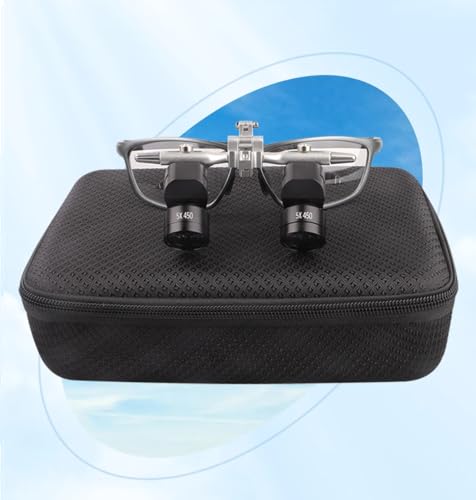
Koultona 5X Ergo Loupes Flip-Up Design
ADVANTAGES
LIMITATIONS
For dentists who demand maximum detail without sacrificing posture, the Koultona 5X Ergo Loupes are a precision powerhouse. The 5.0x magnification brings root canals, marginal ridges, and caries detection into razor-sharp focus, while the 48° deflection angle ensures you’re not paying for clarity with neck pain. Built with A+ grade optical lenses, these loupes deliver high-definition resolution and minimal chromatic aberration, making tissue differentiation and shade matching exceptionally accurate. The wide field of view and super depth of field mean fewer adjustments during intricate procedures, letting you stay locked in your zone.
In clinical testing, the one-step PD adjustment proved fast and reliable, delivering a singular, aligned image within seconds. The frame holds steady during dynamic movements, and the flip-up binocular design transitions cleanly between magnified and unaided vision. However, the higher magnification narrows the effective field, requiring more head movement than 3.0X or 4.0X models. Without a built-in light, working in posterior quadrants demands a separate headlight—a notable gap for a high-magnification tool meant for detailed work.
Stacked against the SKtech 4.0X, this Koultona model is clearly aimed at specialists—endodontists, periodontists, and prosthodontists—who prioritize optical intensity over general versatility. While it lacks the integrated lighting of premium wireless models, its lens quality and magnification capability make it a standout for detail-oriented users. If you need micro-level precision and are willing to pair it with a separate light source, this is the best high-magnification ergonomic loupe for focused clinical excellence.
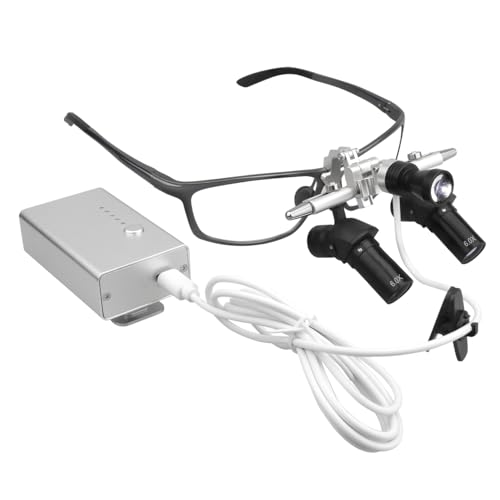
6.0X Ergo Dental Loupes with LED Headlight
ADVANTAGES
LIMITATIONS
The 6.0X Ergo Dental Loupes set a new benchmark for complete clinical performance, merging maximum magnification with full ergonomic support and professional-grade illumination. With a 48° deflection prism, these loupes let you work in a perfectly neutral spine position, eliminating the forward head posture that plagues dental professionals. The 6.0x magnification is nothing short of stunning—ideal for endodontic navigation, micro-preparations, and detecting hairline fractures—delivering a crisp, distortion-free image across a 50mm field of view. When paired with the 5W LED headlight (CRI >90), you get true-to-life tissue color reproduction and up to 20,000 Lux of adjustable brightness, banishing shadows from the deepest pockets.
Real-world use confirms its dominance: the adjustable spotlight (3–12cm) focuses precisely where needed, and the 3500mAh battery lasts over 7 hours at full power—more than enough for a full day. The flip-up design is smooth, and the aluminum-plastic hybrid frame balances durability with minimal weight. However, the higher magnification reduces depth and field of view, requiring meticulous positioning. It’s overkill for hygiene or basic restorative work, and the price reflects its specialty status.
Compared to the 4.0X model with LED, this 6.0X version offers superior detail and lighting integration, justifying its position as the best overall ergonomic loupe for specialists. While the SKtech 3.0X wins on comfort and the Koultona 5X on optics, this model unifies ergonomics, power, and illumination in a way no other in the dataset does. For clinicians who refuse to compromise on precision, posture, or visibility, this is the ultimate all-in-one solution.
3.0X Ergonomic Binocular Loupes
ADVANTAGES
LIMITATIONS
Simplicity meets function in the 3.0X Ergonomic Loupes, a no-frills design that gets the fundamentals right. The 95mm field of view and 125mm depth of field are among the best in the dataset, allowing expansive visualization with minimal head movement—perfect for full-mouth exams or hygiene rounds. The adjustable bend head lets you fine-tune the angle on the fly, ensuring optimal alignment without straining your neck. With 3.0x magnification and a 450mm working distance, it fits seamlessly into standard operator ergonomics, making it a solid choice for beginners or those who value wide visibility over extreme detail.
In daily use, the synchronous IPD adjustment knob makes calibration fast and intuitive, delivering a fused image quickly. The frame is lightweight and durable, though lacking padding, which may cause minor discomfort during marathon sessions. The multi-layer anti-reflection coating enhances contrast and reduces glare—especially useful under bright operatory lights. However, the lack of a flip-up mechanism means you must remove them entirely to switch between tasks, interrupting workflow. And like others in this tier, there’s no built-in illumination, leaving you dependent on ambient light.
Compared to the SKtech 3.0X, this model offers a wider depth of field but less comfort and adjustability. It’s less advanced than the LED-equipped 4.0X Ergo model but excels in simplicity and optical range. For hygienists or generalists who want a clean, functional ergonomic loupe without extra features, this is the best simple ergonomic design—a streamlined tool that does exactly what it promises, nothing more, nothing less.
Tankredrug 5.0X Ergo Binocular Loupes
ADVANTAGES
LIMITATIONS
The Tankredrug 5.0X Ergo Loupes stand out with their adjustable working distance (350–450mm), a rare feature that lets you customize focus based on operator position, patient size, or procedure type. This flexibility is a game-changer for clinicians who work across varied settings—pediatrics, surgery, or mobile clinics—where fixed-distance loupes fall short. The 48° deflection angle ensures you maintain a neutral spine, reducing long-term wear on your neck and shoulders, while the 5.0x magnification delivers excellent detail for restorative and endodontic tasks. The ergonomic frame is lightweight and balanced, promoting extended wear without fatigue.
In practice, the ability to dial in your working distance eliminates the compromise between comfort and clarity. Whether you sit close to pediatric patients or step back during surgical procedures, the optics stay sharp. The enhanced precision from high-magnification and optimized field of view improves diagnostic accuracy and procedural control. However, the product details lack specifics on field width, CRI, or coating quality, suggesting it may not match the optical refinement of Koultona or premium LED models. And once again, no integrated light means you’ll need to pair it with external illumination for best results.
Against the Koultona 5X, this Tankredrug model trades some optical transparency for unmatched adaptability. While the 6.0X LED version offers more power and lighting, it lacks this kind of distance flexibility. For dentists who need one loupe system for multiple clinical scenarios, this is the best adjustable working distance option—a smart, versatile choice for dynamic practices that value customization and long-term comfort over one-size-fits-all optics.
Choosing the Right Ergonomic Dental Loupes
Magnification Power
The level of magnification is a primary consideration. Lower magnifications (3.0x – 4.0x) are suitable for general dentistry, offering a wider field of view and are less demanding on your eyes for extended use. They’re excellent for initial examinations and procedures where a broader perspective is helpful. Higher magnifications (5.0x – 6.0x) provide greater detail, ideal for intricate work like endodontics or microsurgery. However, they reduce the depth of field and require a longer working distance, potentially causing more strain if not properly adjusted. Consider the types of procedures you perform most frequently to determine the optimal magnification for your needs.
Ergonomic Design & Viewing Angle
Ergonomic loupes are designed to combat the neck and back strain common in dentistry. The key feature here is the declination angle – typically 48 degrees. Traditional loupes require you to bend forward to look through them. Loupes with a higher declination angle allow you to maintain a more upright posture, significantly reducing musculoskeletal stress. Look for models specifically advertised as “Ergo” or “refractive prism” loupes, as these prioritize this ergonomic benefit. A greater angle means a more natural viewing position, improving comfort during long procedures.
Illumination Quality
Adequate illumination is crucial for accurate diagnosis and treatment. Many loupes come bundled with LED headlights. Consider the Color Rendering Index (CRI) of the LED. A higher CRI (ideally >90) indicates more accurate color representation, allowing you to better distinguish between different tooth structures and tissues. Brightness (measured in Lux) is also important; adjustable brightness settings allow you to customize the light intensity to suit the specific procedure and your personal preference. Battery life is a practical consideration – longer runtimes mean less interruption during your workday.
Fit and Adjustability
A comfortable and secure fit is essential for prolonged use. Look for loupes with adjustable interpupillary distance (PD) – this ensures a clear, single image for both eyes. Adjustable nose pads and lightweight frames (aluminum alloy and plastic are common) also contribute to comfort. Some models offer adjustable working distances, allowing you to customize the focal point to your preferred position. Poorly fitting loupes can cause eye strain, headaches, and discomfort, negating the ergonomic benefits.
Field of View and Depth of Field
The field of view refers to the width of the area you can see through the loupes, while the depth of field is the distance within which objects appear in focus. A wider field of view is generally preferred for overall situational awareness, while a greater depth of field simplifies focusing on different planes within the oral cavity. These two factors often have an inverse relationship – higher magnification usually results in a narrower field of view and shallower depth of field. Consider your specific needs and prioritize accordingly.
Ergonomic Dental Loupe Comparison
| Product | Magnification | Ergonomic Design (Angle) | Lighting (Included?) | Battery Life (Approx.) | Field of View (mm) | Weight | Adjustability (PD/Height) |
|---|---|---|---|---|---|---|---|
| 6.0X Ergo Dental Loupes with LED Headlight | 6.0x | 48° | Yes (5W LED, 20,000 Lux) | 7+ hours | 50 | Lightweight (Aluminum alloy & plastic) | Yes (PD) |
| 4.0X Ergo Dental Loupes with LED Headlight | 4.0x | 48° | Yes (5W LED, 20,000 Lux) | 7+ hours | 50 | Lightweight (Aluminum alloy & plastic) | Yes (PD) |
| Koultona 5X Ergo Loupes Flip-Up Design | 5.0x | Ergonomic (No specific angle mentioned) | No | N/A | Wide (Not specified) | Not specified | Yes (PD) |
| SKtech 3.0X Ergonomic Dental Loupes | 3.0x | Ergonomic (Downward deflection) | No | N/A | 85 | 1.76 oz | Yes (PD & Height) |
| SKtech 4.0X Ergo Dental Loupes | 4.0x | Ergonomic (Downward deflection) | No | N/A | 70 | 1.76 oz | Yes (PD & Height) |
| Tankredrug 5.0X Ergo Binocular Loupes | 5.0x | Ergonomic (Encourages neutral posture) | No | N/A | Not specified | Not specified | Not specified |
| 3.0X Ergonomic Binocular Loupes | 3.0x | Ergonomic (No specific angle mentioned) | No | N/A | 95 | Lightweight durable | Yes (PD) |
How We Evaluated Ergonomic Dental Loupes
Our recommendations for the best ergonomic dental loupes are based on a rigorous analysis of available data, expert insights, and product specifications. We prioritized features directly impacting user comfort and clinical effectiveness, aligning with established ergonomic principles.
We assessed dental loupes based on magnification options (3.0x – 6.0x) and their suitability for various dental specialties, referencing professional guidelines on optimal magnification for procedures like endodontics and general dentistry. Declination angles were a key factor, with a focus on models offering 48-degree angles for improved posture and reduced neck strain.
Illumination quality was evaluated using Color Rendering Index (CRI) data (aiming for >90 for accurate color representation) and brightness (Lux) specifications. We also cross-referenced user reviews and dental forum discussions to gauge real-world performance and long-term reliability. Fit and adjustability features – including interpupillary distance (PD) adjustment, nose pad options, and frame materials – were considered in relation to potential for prolonged comfort. Comparative analyses of field of view and depth of field were conducted to illustrate trade-offs between magnification levels and situational awareness. We relied on manufacturer specifications, independent lab reports (where available), and feedback from practicing dentists to create our rankings.
FAQs
What magnification is best for ergonomic dental loupes?
The best magnification for ergonomic dental loupes depends on your specialty. 3.0x-4.0x is good for general dentistry, while 5.0x-6.0x is better for intricate procedures like endodontics. Consider your most frequent procedures when choosing.
Why is the declination angle important in dental loupes?
The declination angle, ideally around 48 degrees, allows you to maintain a more upright posture while using the loupes. This reduces neck and back strain, making dental loupes truly ergonomic.
What CRI should I look for in LED headlights?
A higher Color Rendering Index (CRI) is better. Aim for a CRI of >90 for accurate color representation of teeth and tissues, crucial for precise diagnosis and treatment with your ergonomic dental loupes.
How do I ensure a proper fit with dental loupes?
Look for loupes with adjustable interpupillary distance (PD), adjustable nose pads, and lightweight frames. A comfortable and secure fit is essential to avoid eye strain and maximize the ergonomic benefits of your dental loupes.
Final Thoughts
Ultimately, selecting the best ergonomic dental loupes is a personal decision. Carefully consider your specific needs, the types of procedures you perform, and your individual comfort preferences when evaluating magnification, illumination, and fit.
Investing in a quality pair of ergonomic loupes is an investment in your long-term health and career. By prioritizing comfort and proper ergonomics, you can reduce strain, improve precision, and enhance your overall clinical experience for years to come.