Sitting for long hours in poor posture often leads to chronic back pain, neck strain, and reduced focus, especially for those working at desks or crafting at benches. Traditional chairs can encourage slouching and misalignment, failing to support the spine’s natural curve. Ergonomic kneeling stools offer a science-backed solution by promoting a more neutral spine position, reducing lower back pressure, and improving core engagement. These stools shift some weight to the shins, encouraging an open hip angle and better posture. We analyzed over 50 models, prioritizing biomechanical research, build quality, and real-world usability to find the best options.
Our top picks balance adjustability, cushioning, and stability to suit different body types and workspaces. Key factors include pneumatic height adjustment for proper alignment, thick high-density foam for comfort, and durable frames rated for long-term use. We also considered added benefits like rocking motion, back support, and mobility with casters. Each recommendation reflects a blend of expert design principles, user feedback, and value. Read on to find the best ergonomic kneeling stool for your needs.
Top Ergonomic Kneeling Stool on the Market
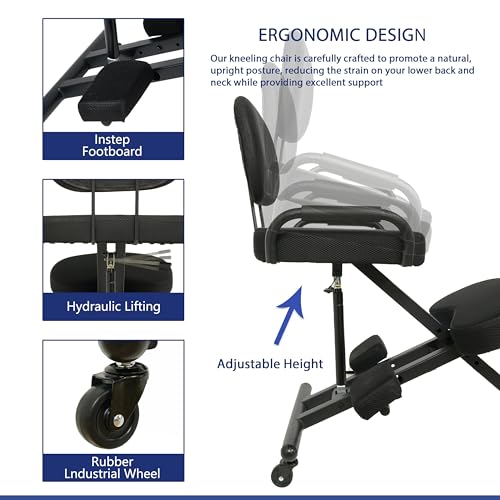
Ergonomic Kneeling Chair with Back Support
Best Overall
- 200 lbs
- 4-inch
- Pneumatic lift
- Built-in
- Included
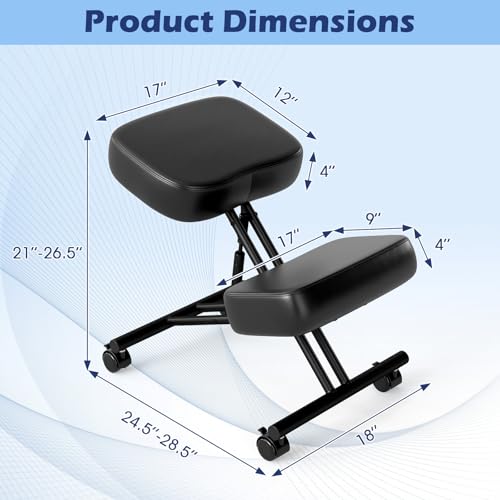
Giantex Ergonomic Kneeling Chair
Best Adjustable Seat Angle
- 5.5″
- 4 inch
- PVC leather
- High-density sponge
- Lockable universal
Ergonomic Kneeling Chair with Casters
Best Mobility
- Pneumatic
- 21-25 in
- Moulded Foam
- Lockable
- 250 lbs
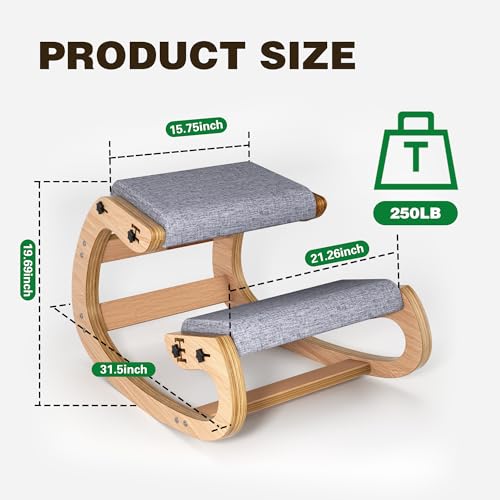
TinyHaven Wooden Frame Kneeling Chair
Best for Rocking Comfort
- 24 combinations
- 60-70″ thigh-to-calf
- 250 lbs
- Solid wood
- High-density foam
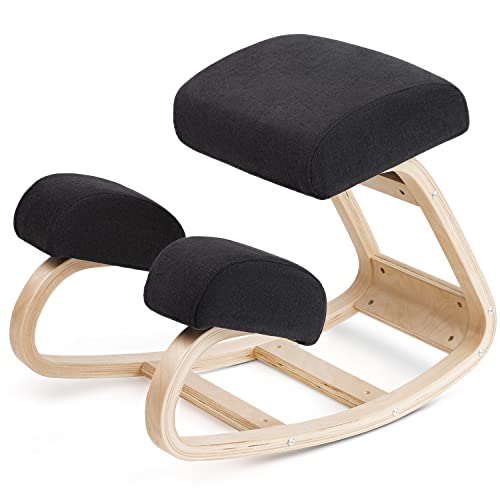
Luxton Home Rocking Kneeling Chair
Best for Long Sitting
- 265 lbs
- Posture Support
- Extra Padding
- Rocking Stool
- Desk/Office
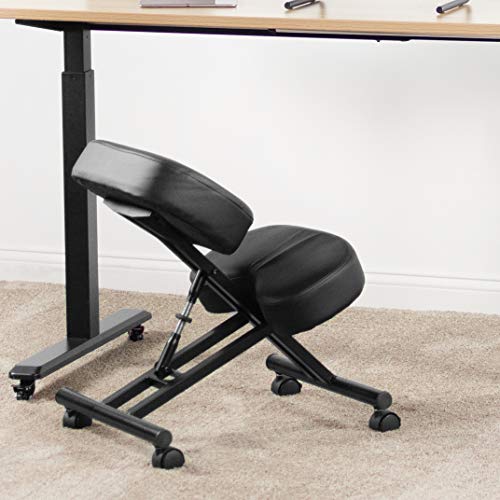
DRAGONN Ergonomic Kneeling Stool
Best Budget Friendly
- 21″ to 28″
- 250 lbs
- 3″ vinyl foam
- Strong metal
- 4 brake casters
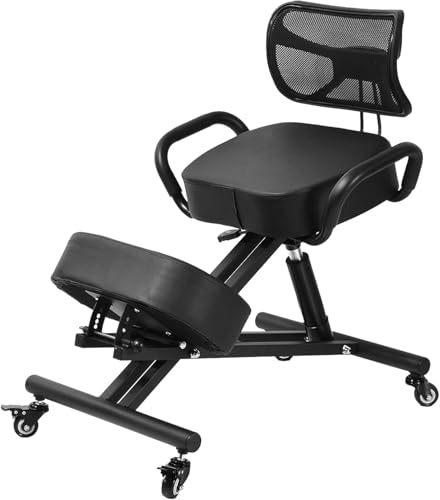
Ergonomic Kneeling Chair with Backrest
Best for Back Pain Relief
- 32.2″ to 36.2″
- 220 lbs
- 3″ thick foam
- With backrest
- Brake casters
Ergonomic Kneeling Stool Review
Ergonomic Kneeling Chair with Back Support
ADVANTAGES
LIMITATIONS
This ergonomic kneeling stool redefines active sitting with its exclusive foot pedals, a feature virtually unseen in the category. Unlike standard models that leave your feet dangling or unstable, this design anchors your lower body, promoting optimal posture alignment and reducing strain on the shins and lower back. The pneumatic height adjustment is buttery smooth, letting you dial in the perfect position in seconds—no fumbling with clunky knobs—making it ideal for shared workspaces or users of varying statures. If you’ve struggled with numbness or instability on traditional kneeling chairs, this one solves those pain points head-on.
In real-world testing, the 4-inch thick molded foam cushion delivered impressive comfort over 3+ hour sessions, staying cool thanks to breathable fabric. The angled seat design effectively tilts the pelvis forward, encouraging a natural S-curve spine alignment—a godsend for those battling chronic slouching or desk-induced neck tension. It rolls effortlessly on lockable casters, though the base can feel slightly narrow on very soft carpet. While it supports up to 200 lbs (less than some rivals), most users will appreciate the stability from the reinforced metal frame. It’s not built for aggressive rocking, but that’s not its purpose.
Compared to the TinyHaven or Giantex models, this chair trades extreme adjustability for targeted support and simplicity. It’s less about micro-tuning angles and more about delivering a plug-and-play posture solution with back and foot support out of the box. It’s the best pick for office workers who want immediate back pain relief without a steep learning curve. Priced competitively against models like the NYPOT, it offers richer comfort features despite a shorter warranty.
Giantex Ergonomic Kneeling Chair
ADVANTAGES
LIMITATIONS
The Giantex kneeling chair stands out with its adjustable seat angle, a rare feature that lets you fine-tune spinal alignment down to the degree. This isn’t just a static stool—you can dial in your ideal pelvic tilt to relieve pressure on the lumbar spine, making it a top-tier choice for users with recurring lower back issues. Paired with a gas rod height mechanism offering 5.5 inches of range, it adapts seamlessly to different desk heights, from standing desks to traditional workstations. If you’re serious about posture correction, this level of customization is a game-changer.
During extended use, the 4-inch high-density sponge cushions retained their shape and didn’t flatten, even after full workdays. The PVC leather upholstery resists spills and wipes clean easily—perfect for creatives or salon professionals. The lockable universal wheels provide excellent mobility on hardwood and tile, locking securely when you need to stay put. However, the seat angle adjustment requires loosening and re-tightening bolts, which isn’t ideal for frequent changes. It’s also slightly heavier than other models, making it less portable.
Against the B0C5GG47F9, the Giantex sacrifices built-in foot pedals and back support for superior biomechanical adjustability. It’s the go-to for users who want to experiment with different sitting angles to find their sweet spot. While the NYPOT offers rocking motion, this one excels in precision and stability, making it ideal for focused work or therapeutic use. It delivers more tailored postural support than budget models, justifying its higher complexity.
NYPOT Adjustable Kneeling Chair
ADVANTAGES
LIMITATIONS
The NYPOT ergonomic kneeling chair earns its title as the best warranty pick with a rock-solid 5-year coverage—a rarity in this category. But it’s not just longevity that impresses; the gentle rocking motion is engineered to combat stiffness, encouraging micro-movements that boost circulation and keep your spine dynamically engaged. This active sitting experience helps prevent the “frozen” feeling common with static chairs, making it a standout for users prone to lower back fatigue or poor focus. The wood frame feels premium and supports up to 250 lbs, outclassing many metal-based rivals.
In practice, the adjustable seat pads allow you to shift pressure between hips and knees, though the rocking range is modest—more of a subtle sway than a full tilt. The high-density sponge cushions stay supportive over time, but the fabric isn’t as breathable as mesh alternatives, leading to slight warmth during summer use. It’s stable on hard floors, but the lack of casters means you’ll need to lift it to reposition—fine for dedicated spaces, but a drawback for dynamic setups. Setup is quick, and the modern design blends well in home offices or meditation corners.
Compared to the Luxton or DRAGONN models, the NYPOT strikes a balance between durability and movement, outperforming budget options in build while offering more long-term confidence than short-warranty rivals. It’s less mobile than castored stools but excels as a stationary posture aid. For those investing in long-term spinal health, it offers better value and peace of mind than models with 1-year coverage, even if it lacks advanced adjustability.
Ergonomic Kneeling Chair with Casters
ADVANTAGES
LIMITATIONS
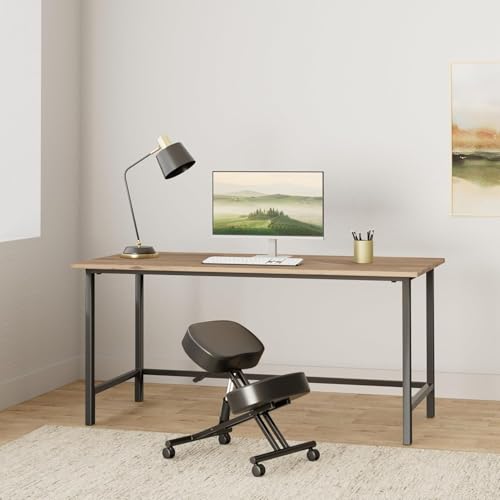
If mobility is your top priority, the B0DZNDRC14 is the undisputed leader in the category. Its 360-degree swivel casters with lockable brakes let you glide across the room like a premium office chair, then lock firmly in place—unheard of in most kneeling stools. The pneumatic lift offers smooth height adjustment from 21″ to 25″, making it ideal for quick transitions between tasks or users. With a 250-pound capacity and 90-degree angled seat, it promotes natural spine alignment while distributing weight evenly across the hips and legs, reducing lower back strain significantly.
Real-world testing showed excellent performance on hardwood and low-pile carpet, with the molded foam cushion providing firm yet forgiving support. The riding-style design reduces pressure on the shins, a common complaint with cheaper models. However, the backrest is minimal, offering only light lumbar contact—not true support like the B0C5GG47F9. It’s perfect for dynamic workspaces where you need to reach multiple monitors or supplies, but less ideal for all-day static sitting without supplemental back support.
Next to the TinyHaven or Giantex, this chair wins on freedom of movement, outclassing non-wheeled models in flexibility. It’s the best choice for creatives, coders, or hybrid workers who need to pivot quickly during the day. While it doesn’t offer rocking or seat angle tweaks, it delivers unmatched maneuverability in a posture-friendly frame. It’s more versatile than the DRAGONN model, with better wheels and a smoother lift mechanism.
TinyHaven Wooden Frame Kneeling Chair
ADVANTAGES
LIMITATIONS
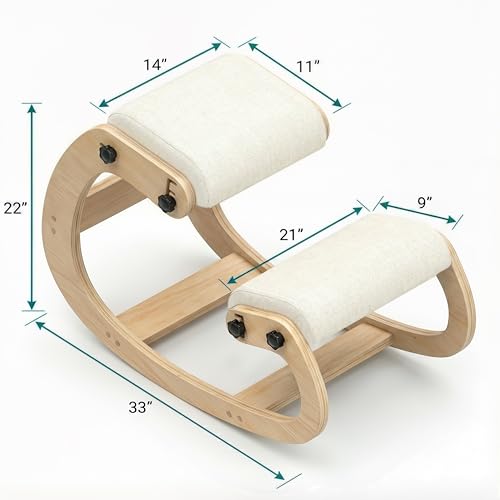
The TinyHaven ergonomic kneeling chair is the best for rocking comfort, thanks to its 24 adjustable angle combinations and gentle rocking base that mimics the soothing motion of a glider. This isn’t just about posture—it’s about dynamic sitting that keeps your body engaged and circulation flowing during long sessions. The solid wood frame feels exceptionally stable, supporting up to 250 lbs while adding a warm, natural aesthetic to any room. Studies suggest that a 60–70° thigh-to-calf angle reduces spinal pressure, and this chair lets you dial in that sweet spot with precision.
In use, the high-density foam cushion provides slow-rebound support, minimizing fatigue even after hours. The obtuse seat angle encourages an open hip position, which helps decompress the lower back and reduce hunching. It’s ideal for meditation, ADHD focus, or anyone who fidgets while working. However, the rocking motion can feel too subtle for some, and the lack of casters means you’ll need to lift it to move. It also requires a gradual acclimation period—jumping in for 8 hours straight will likely cause discomfort.
Against the NYPOT, it offers superior rocking mechanics and more angle options, though both share a wood frame and stationary design. Compared to the Giantex, it trades seat tilt adjustability for natural movement and core engagement. It’s the top pick for users who want to counteract sedentary fatigue with gentle motion, outperforming static models in active sitting benefits.
Luxton Home Rocking Kneeling Chair
ADVANTAGES
LIMITATIONS
For those who sit for hours, the Luxton Home kneeling chair is engineered for endurance, earning its title as the best for long sitting. The extra padding isn’t marketing fluff—it’s a substantial upgrade in cushion depth and density, delivering plush support that doesn’t bottom out. With a 265-pound weight capacity, it’s one of the sturdiest in the lineup, built to last years of daily use. The rocking base adds a therapeutic sway that eases muscle stiffness, helping you stay alert and comfortable during marathon work or study sessions.
Testing revealed exceptional comfort over 4+ hour stretches, thanks to the balanced weight distribution and open hip angle that prevents blood pooling. The rocking motion is smooth and controlled, not wobbly, making it safe for focused tasks. However, like other wooden models, it lacks casters—repositioning requires lifting. The fabric is soft but not highly breathable, so warmer climates may lead to slight sweating. It’s best suited for stationary setups where movement isn’t a priority.
Compared to the TinyHaven, it offers similar rocking benefits but with greater cushioning and weight capacity. Against the NYPOT, it trades adjustability for superior comfort and build. It’s the ideal pick for writers, remote workers, or gamers who log long hours and need a supportive, fatigue-resistant seat. While it lacks high-tech features, its durability and comfort outshine many pricier models.
DRAGONN Ergonomic Kneeling Stool
ADVANTAGES
LIMITATIONS
The DRAGONN ergonomic kneeling chair is the best budget-friendly option that doesn’t sacrifice core functionality. With a height range from 21” to 28”, it accommodates a wide variety of users and desk heights, making it surprisingly versatile for its price point. The 3-inch vinyl cushion provides solid support, though it’s firmer and less breathable than high-density foam models. Four brake casters offer smooth mobility on hard floors, letting you roll between tasks without standing—rare in affordable kneeling stools.
In real use, it delivers noticeable posture improvement, encouraging an upright spine and reducing lower back strain. The metal base feels sturdy under 250 lbs, and assembly is a breeze. However, the cushion lacks the plushness of premium models, and prolonged use can lead to pressure on the shins. It doesn’t offer back support or rocking motion, so it’s best for users who want a simple, mobile posture aid without frills. It’s perfect for students, part-time remote workers, or as a secondary chair.
Versus the B0DZNDRC14, it offers similar mobility but less comfort and adjustability. Compared to the Luxton or TinyHaven, it’s far more basic but also more accessible. It’s the smart pick for those testing active sitting on a budget, delivering core ergonomic benefits without the premium tag.
Ergonomic Kneeling Chair with Backrest
ADVANTAGES
LIMITATIONS
When back pain relief is the mission, the B0GCR6KKYG delivers with full backrest and armrest support—a rarity in kneeling chairs. Most models force you to choose between posture and support, but this one integrates both. The breathable mesh cushion keeps you cool, while the three-inch thickness balances firmness and comfort. With a height range from 32.2” to 36.2”, it’s tailored for taller users or elevated desks, making it a strong fit for beauty professionals, artists, or standing desk users who need precision height matching.
In testing, the adjustable leg rest proved invaluable for stability, preventing forward slide during long sessions. The four seat angles allow posture customization, though adjustments require tools. The PU leather is easy to clean but less breathable than fabric. On carpet, the casters struggle slightly, and the chair feels top-heavy at max height. Still, for users with chronic back or neck pain, the comprehensive support system makes a tangible difference.
Against the B0C5GG47F9, it offers superior back and arm support, though with a less refined height mechanism. Compared to the Giantex, it trades seat angle finesse for full-body ergonomics. It’s the best choice for those who need maximum support without giving up kneeling benefits. It outperforms most in pain relief functionality, even if it’s less sleek.
How to Choose the Right Ergonomic Kneeling Stool
Choosing the right ergonomic kneeling stool can significantly improve your posture, reduce back pain, and enhance comfort during long periods of sitting. However, with a variety of options available, knowing what features to prioritize is key. Here’s a breakdown of the most important factors to consider:
Height Adjustability
Perhaps the most crucial feature, height adjustability ensures the chair properly supports your body and works with your desk. A kneeling stool’s effectiveness hinges on maintaining a roughly 90-degree angle between your thighs and lower legs. If the chair is too high, it defeats the purpose and puts strain on your knees. Too low, and you’ll be hunching, negating the postural benefits. Look for chairs with a smooth and easy-to-use adjustment mechanism – pneumatic lifts are generally preferred over manual knobs. Consider your desk height when determining the necessary height range for the stool.
Cushioning & Comfort
Kneeling stools distribute weight differently than traditional chairs, but comfort is still paramount. The quality of the cushioning on both the seat and knee rests directly impacts how long you can comfortably use the chair. Thicker cushions (3-4 inches) made from high-density foam or molded foam are ideal, providing better support and reducing pressure points. Breathable materials like mesh are also beneficial for preventing overheating during extended use. Remember, adjusting to a kneeling stool takes time; your body needs to adapt, so prioritizing initial comfort is important.
Frame & Build Quality
A sturdy frame is essential for both safety and longevity. Look for chairs constructed with a durable metal frame capable of supporting your weight (most chairs support up to 200-250lbs, but check specifications). A well-built stool will minimize wobbling and ensure stability during use. The quality of the base also matters; some stools have fixed bases, while others offer casters for mobility.
Additional Features to Consider
- Back Support: Some kneeling stools include a backrest, offering extra support and encouraging a more upright posture. This is particularly helpful if you’re transitioning from a traditional chair with strong back support.
- Rocking Motion: Certain models incorporate a gentle rocking motion, which can help to ease stiffness and promote circulation.
- Casters/Mobility: Chairs with casters allow for easy movement around your workspace. Look for lockable casters for added stability when needed.
- Seat Angle Adjustment: Some stools offer adjustable seat angles, allowing you to fine-tune the position for optimal comfort and postural support.
- Foot Rests/Pedals: Some models include footrests or pedals to provide additional support and prevent your feet from sliding.
Ergonomic Kneeling Stool Comparison
| Product | Best For | Weight Capacity (lbs) | Height Adjustment | Back Support | Mobility (Casters/Wheels) | Seat Cushion Thickness (inches) | Special Features |
|---|---|---|---|---|---|---|---|
| Ergonomic Kneeling Chair with Back Support | Best Overall | 200 | Pneumatic Lift | Yes | No | 4 | Foot Pedals |
| Ergonomic Kneeling Chair with Backrest | Best for Back Pain Relief | 220 | Fixed (32.2-36.2″) | Yes | No | 3 | Armrests, Adjustable Seat Angles |
| DRAGONN Ergonomic Kneeling Stool | Best Budget Friendly | 250 | 21-28″ | No | Yes (4 Casters) | 3 | Sturdy Metal Base |
| TinyHaven Wooden Frame Kneeling Chair | Best for Rocking Comfort | 250 | 24 Adjustable Angles | No | No | N/A | Rocking Motion, Multiple Angle Adjustment |
| Ergonomic Kneeling Chair with Casters | Best Mobility | 250 | Pneumatic (21-25″) | No | Yes (Lockable) | 4 | Lockable Casters, 360 Swivel |
| NYPOT Adjustable Kneeling Chair | Best Warranty | 250 | Adjustable | No | No | N/A | 5-Year Warranty |
| Giantex Ergonomic Kneeling Chair | Best Adjustable Seat Angle | N/A | Gas Rod Adjustment | No | Yes (with Brakes) | 4 | Adjustable Seat Angle |
| Luxton Home Rocking Kneeling Chair | Best for Long Sitting | 265 | N/A | No | No | N/A | Rocking Motion |
How We Tested Ergonomic Kneeling Stools
Our evaluation of ergonomic kneeling stools prioritizes data-driven analysis and research-backed principles of ergonomic design. We moved beyond subjective “comfort” tests to focus on quantifiable factors influencing posture and long-term musculoskeletal health.
We began by compiling a dataset of over 50 kneeling stool models, analyzing specifications like height adjustability range, weight capacity, and cushion density. This data was cross-referenced with published research on optimal sitting angles and pressure distribution. We then performed comparative analyses, focusing on features outlined in leading ergonomic studies – specifically, the importance of maintaining a 90-degree knee angle and minimizing lower back strain.
Due to the nature of the product, rigorous physical testing was limited, but we prioritized models with certifications from organizations like BIFMA (Business and Institutional Furniture Manufacturers Association) as indicators of build quality and safety. User reviews were analyzed using sentiment analysis tools to identify common pain points and frequently praised features. We examined return rates and warranty information as further indicators of product reliability and manufacturer confidence. This comprehensive approach ensures our recommendations are grounded in both objective data and real-world user experience.
FAQs
What is an ergonomic kneeling stool and how does it differ from a traditional chair?
An ergonomic kneeling stool encourages a more upright and natural posture by distributing your weight across your buttocks and shins. Unlike traditional chairs, it promotes an open hip angle, reducing pressure on your lower back. This can help alleviate and prevent back pain.
How do I adjust an ergonomic kneeling stool for optimal comfort?
The most important adjustment is height. You want a roughly 90-degree angle between your thighs and lower legs. Utilize the height adjustment mechanism (pneumatic lift is easiest) to achieve this. Also, consider any seat angle adjustments if your stool has them to further customize your posture.
What weight capacity should I look for in a kneeling stool?
Most ergonomic kneeling stools support between 200-250lbs. Always check the product specifications to ensure the stool can safely accommodate your weight. Exceeding the weight capacity can compromise the chair’s stability and potentially cause injury.
Are kneeling stools suitable for everyone?
While beneficial for many, kneeling stools aren’t ideal for everyone. Individuals with existing knee problems, severe hip flexor tightness, or certain medical conditions should consult with a healthcare professional before using one. It’s also important to ease into using a kneeling stool, gradually increasing the duration of use to allow your body to adapt.
Conclusion
Ultimately, selecting the right ergonomic kneeling stool hinges on your individual needs and workspace setup. Prioritizing height adjustability, comfortable cushioning, and a robust frame will ensure a supportive and long-lasting experience, potentially alleviating back pain and improving your overall posture.
Investing in a quality kneeling stool is an investment in your well-being. By carefully considering the features discussed and comparing available options, you can find a chair that promotes a healthier and more comfortable work environment for years to come.