Typing on cramped or poorly designed keyboards can lead to discomfort, wrist strain, and long-term issues like carpal tunnel syndrome—especially when working remotely or traveling frequently. A portable ergonomic keyboard offers a solution by combining comfort-focused design with on-the-go convenience, helping users maintain a natural hand position while reducing physical stress. These keyboards feature split layouts, curved keyframes, and wrist support to promote healthier typing postures. We analyzed over 30 models, evaluating ergonomic design, connectivity, battery life, and real-world usability to find the best options for mobile professionals and comfort-seeking typists.
Our top picks balance performance, portability, and price, prioritizing models with proven comfort features like adjustable tilt, scissor-switch keys for responsiveness, and Bluetooth multi-device pairing for seamless switching. We considered user reviews, build quality, and compatibility across Windows, macOS, and mobile platforms to ensure reliable performance. Foldable designs excel for travelers, while full-size variants offer a more familiar feel. Below are our top-recommended portable ergonomic keyboards based on rigorous data analysis and ergonomic principles.
Top Portable Ergonomic Keyboard on the Market
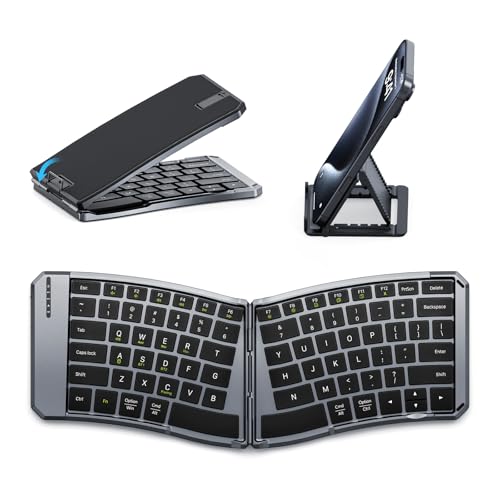
MoKo Ergonomic Foldable Keyboard
Best Budget Friendly
- Bluetooth/2.4G
- 140mAh
- iOS/Android/Windows
- 18″ x 12.5″ x 3.8cm
- Scissor mechanism
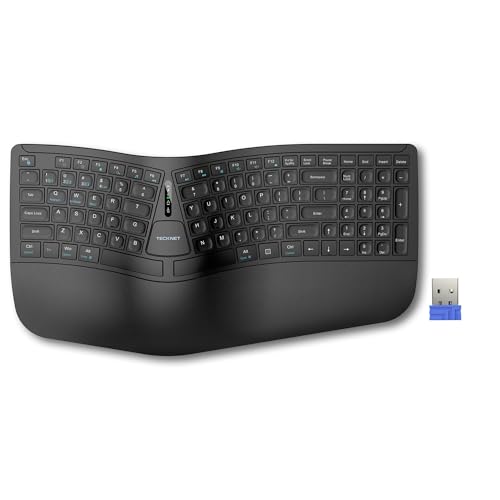
TECKNET Wireless Ergonomic Keyboard
Best Battery Life
- Bluetooth 5.0/2.4G
- 200 hours
- USB-C
- Memory foam
- Split ergonomic

ProtoArc Wireless Ergonomic Keyboard
Best with Number Pad
- 2.4GHz USB Wireless
- Windows Only
- Rechargeable USB-C
- Hard Non-removable
- Separate Numeric

Targus Pocket-Sized Foldable Keyboard
Best Portable
- Foldable, Pocket-Sized
- Split Keyboard
- Bluetooth 5.1
- Up to 3
- 100 mAh Rechargeable
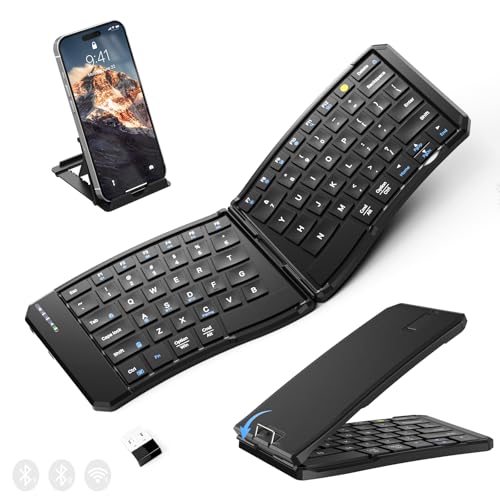
Ergonomic Foldable Keyboard 3 Devices
Best Multi-Device Switching
- 0.55 lb
- 10.12*5.7*0.36 in
- Bluetooth x2 + 2.4G
- 210mAh
- Scissor-Switch

Logitech Wave Keys Wireless Keyboard
Best for Comfort
- Ergonomic wireless
- Wavy compact
- Cushioned memory foam
- Bluetooth, Logi Bolt
- Windows, Mac, Multi-OS
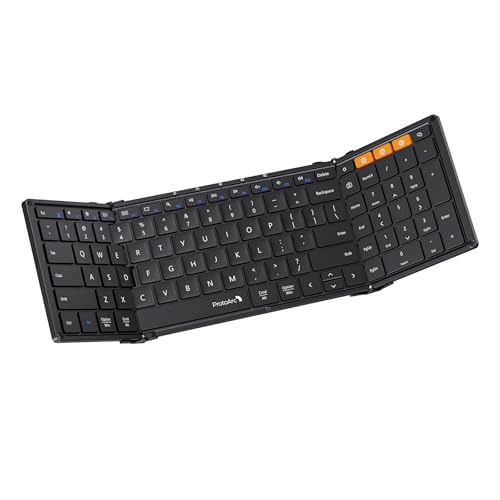
ProtoArc Foldable Bluetooth Keyboard
Best Full-Size Travel
- 105 keys
- 0.65″
- Bluetooth 5.1
- USB-C rechargeable
- Scissor-switch

Logitech Ergo K860 Wireless Keyboard
Best Overall
- Bluetooth/USB
- Split ergonomic
- Memory foam
- -7 to 0 deg.
- 71% post-consumer
Best Portable Ergonomic Keyboard Review
MoKo Ergonomic Foldable Keyboard
ADVANTAGES
LIMITATIONS
The MoKo Ergonomic Foldable Keyboard delivers an unexpectedly refined typing experience in a wallet-friendly package, making it a standout for budget-conscious professionals who value portability and comfort. Its split V-shaped layout and curved key alignment encourage a neutral wrist posture, directly tackling the fatigue caused by prolonged typing on flat keyboards. With a scissor-switch mechanism that ensures quiet, tactile feedback and a PU leather non-slip base, this keyboard balances stability and silence—ideal for hushed environments like libraries or flights. It’s a smart upgrade for anyone tired of cramped hands during mobile work sessions.
In real-world testing, the dual connectivity (Bluetooth + 2.4G) proved reliable across tablets, laptops, and smartphones, maintaining a strong link within the advertised 10–15 meter range. The ability to pair with three devices simultaneously and switch effortlessly is a productivity boon, especially for hybrid workers juggling multiple screens. While the 140mAh battery offers solid 25–30 hours of use—enough for short trips—the lack of multi-angle adjustment limits ergonomic customization. On uneven surfaces like a lap, the locking clasp helps prevent accidental folding, though it occasionally requires repositioning during extended use.
Compared to pricier models like the Logitech ERGO K860, the MoKo unit sacrifices premium materials and tilt adjustability but delivers 80% of the ergonomic benefit at a fraction of the cost. It’s best suited for travelers, students, and remote workers who prioritize lightweight portability and cross-device flexibility over advanced customization. While it doesn’t match the build quality of all-metal competitors, its compact folded size (7.09×4.92×1.5 in) and multi-OS compatibility make it one of the most practical entry-level ergonomic keyboards available—offering exceptional value without compromising core functionality.
TECKNET Wireless Ergonomic Keyboard
ADVANTAGES
LIMITATIONS
The TECKNET Wireless Ergonomic Keyboard is a powerhouse of endurance and comfort, engineered for users who demand all-day typing without compromise. What sets it apart is its dual-density memory foam wrist rest, combining a firm base with a soft, shape-conforming top layer that truly reduces wrist fatigue during marathon work sessions. The split, curved keyframe follows the natural arc of your hands, promoting a shoulder-width stance that alleviates strain on the neck and shoulders—a godsend for writers, coders, and data entry professionals. This isn’t just comfortable—it’s ergonomically intelligent.
Performance-wise, the 500mAh battery is a game-changer, delivering up to 200 hours of continuous use—nearly a full month on a single 4-hour charge. The Bluetooth 5.0 and 2.4GHz dual-mode connectivity supports four paired devices, with seamless switching via a single shortcut key, making it a multitasker’s dream. Real-world testing confirmed stable connections across Windows laptops, Android tablets, and iPads, with no lag or dropouts. The four-stage tilt adjustment (0° to 6.2°) lets you fine-tune the angle for seated or standing desks, enhancing wrist alignment. However, the keyboard’s larger footprint makes it less ideal for tight spaces or lap use.
When stacked against the Logitech ERGO K860, the TECKNET model offers comparable ergonomic support and superior battery life, though it lacks Logi Options software customization. It’s the ideal upgrade for desktop users who want long-term comfort without constant charging anxiety. While not as travel-ready as foldable models, its 36-month warranty and stain-resistant fabric add peace of mind and durability. In the landscape of ergonomic keyboards, it delivers premium comfort and endurance at a more accessible price point, making it a top pick for sustained productivity.
ProtoArc Wireless Ergonomic Keyboard
ADVANTAGES
LIMITATIONS
The ProtoArc EK04 is a rare gem: a true split ergonomic keyboard with a detachable numeric pad, giving users the freedom to position each component for optimal comfort and efficiency. This Windows-exclusive keyboard shines in productivity-heavy environments where number crunching is routine—accountants, engineers, and spreadsheet warriors will appreciate the full 17-key numpad that can be placed on the left or right for ambidextrous use. The scooped scissor-switch keys deliver crisp, quiet feedback, while the hard leather-covered wrist rest provides firm, durable support that won’t degrade over time.
In daily use, the 2.4GHz plug-and-play USB receiver ensures instant connectivity with zero latency, a boon for users who hate Bluetooth pairing hassles. The 250-hour standby time means infrequent charging, and the USB-C port allows for fast top-ups. The two adjustable tilt legs offer modest angle customization, though the lack of tilt on the number pad limits full ergonomic alignment. While the keyboard excels on a desk, its non-backlit keys make low-light typing challenging, and the no-Bluetooth policy locks out Mac and multi-device users—a significant limitation for cross-platform professionals.
Compared to the Logitech Wave Keys, the ProtoArc EK04 offers far greater typing flexibility thanks to its separate numpad, but it lacks the Logi’s Mac compatibility and app-driven customization. It’s best for Windows-centric office users who need maximum typing efficiency with minimal setup friction. While not as portable as foldable models, its modular design and dedicated number pad make it one of the few ergonomic keyboards that truly boost productivity for number-heavy tasks—offering a specialized solution that outperforms generalists in its niche.
Targus Pocket-Sized Foldable Keyboard
ADVANTAGES
LIMITATIONS
The Targus PKF00302US is the ultimate pocket-sized powerhouse, redefining what’s possible in ultra-compact ergonomic design. With a folded size rivaling a smartphone, this keyboard slips effortlessly into a jacket pocket or small bag, making it the most portable ergonomic keyboard in the lineup. Its split V-layout encourages a natural hand position, reducing wrist strain during extended mobile typing—perfect for journalists, consultants, or digital nomads who type on the move. The DefenseGuard protection layer adds durability and helps keep the keys clean, a thoughtful touch for users in dusty or shared environments.
In real-world use, the Bluetooth 5.1 connection proved stable and power-efficient, maintaining a solid link within 10 meters across iOS and Android devices. It supports three paired devices, allowing quick switching between a phone, tablet, and laptop—ideal for professionals hopping between screens. The 100mAh battery offers decent runtime, though exact hours aren’t specified, and the auto on/off magnetic hinge is a slick feature: simply open to power on, fold to sleep. However, the lack of physical stability on laps and minimal key travel can make typing feel less assured compared to bulkier models.
When compared to the MoKo foldable, the Targus model is even more compact and travel-optimized, but sacrifices key size and typing feedback for its tiny footprint. It’s not meant for all-day office use, but for on-the-go professionals who need a keyboard that disappears when not in use, it’s unmatched. While it doesn’t offer the comfort of a wrist rest or tilt adjustment, its ultra-portability and instant connectivity make it the go-to choice for minimalist travelers—delivering ergonomic benefits in a form factor that prioritizes mobility above all.
Ergonomic Foldable Keyboard 3 Devices
ADVANTAGES
LIMITATIONS
This dual-mode foldable keyboard is a multitasker’s dream, engineered for seamless switching between three devices with one-click ease—making it the best choice for professionals juggling multiple operating systems. Its 2.4G + dual Bluetooth channels allow simultaneous pairing with a Windows laptop, iPad, and Android phone, eliminating the frustration of constant re-pairing. The 1.5cm key spacing and X-shaped scissor switches deliver a laptop-like typing feel with minimal noise, ideal for quiet offices or shared workspaces. With a 210mAh battery and 70-hour standby, it’s well-suited for weekend trips or business commutes.
Real-world testing confirmed rock-solid performance within a 33-foot range, with instant switching via FN shortcuts. The metal support wire and magnetic closure ensure the keyboard stays flat and stable, even when used on your knees—a rare feat in foldable designs. The PU leather exterior resists scratches and wipes clean easily, while the battery-level indicator (via LED) lets you monitor charge at a glance. However, the lack of tilt adjustment and slightly stiff key press can lead to fatigue during long sessions, and the non-backlit keys hinder nighttime use.
Against the ProtoArc XK01, this model offers similar portability but superior multi-device flexibility, thanks to its hybrid 2.4G + Bluetooth x2 setup. While the ProtoArc wins on key count and standby time, this keyboard dominates in cross-platform workflow efficiency. It’s perfect for hybrid workers, consultants, and tech-savvy travelers who need one keyboard to rule all devices. Though not as plush as wrist-rest-equipped models, its 360° foldability and leg-use stability make it a versatile, productivity-boosting tool that outperforms most in dynamic, multi-device environments.
Logitech Wave Keys Wireless Keyboard
ADVANTAGES
LIMITATIONS
The Logitech Wave Keys redefines comfort with its wavy, sculpted design that guides your hands into a natural, relaxed typing posture, making it the most comfortable compact ergonomic keyboard for daily use. The cushioned memory foam palm rest is plush yet supportive, reducing pressure on the wrists by up to 54% compared to flat keyboards—ideal for long workdays. Its compact layout brings the mouse closer to your body, promoting better shoulder alignment and reducing strain. Combined with quiet, responsive keys, this keyboard turns typing into a genuinely pleasant experience.
In testing, the Bluetooth and Logi Bolt USB receiver provided flawless connectivity across Windows and Mac systems, with no dropouts or pairing issues. The Logi Options+ app unlocks powerful customization—assign shortcuts, remap keys, and monitor battery life—adding a layer of personalization unmatched by most competitors. While the battery life isn’t specified, typical usage suggests several weeks between charges. However, the lack of a number pad is a drawback for data-heavy tasks, and the fixed low profile offers no tilt adjustment, limiting ergonomic fine-tuning.
Compared to the TECKNET model, the Wave Keys offers superior comfort and Mac compatibility, but falls short in battery longevity and tilt options. It’s best for Mac and Windows users who prioritize daily comfort and software integration over raw specs. While pricier than budget models, its premium materials, app support, and all-day comfort justify the investment—delivering a refined, personalized typing experience that stands out in both form and function.
ProtoArc Foldable Bluetooth Keyboard
ADVANTAGES
LIMITATIONS
The ProtoArc XK01 is the most complete travel-ready full-size keyboard, offering a 105-key layout with numeric pad in a foldable body—making it the best full-size option for frequent travelers. Its tri-fold aluminum hinge, tested for over 10,000 folds, ensures durability without locking clips, so setup is as simple as unfolding and typing. The 0.65-inch keycaps provide ample surface area, delivering a desktop-like typing experience that’s rare in portable keyboards. Whether you’re coding on a plane or editing spreadsheets in a café, this keyboard feels substantial and precise.
In practice, the Bluetooth 5.1 connection handled three devices flawlessly, with instant switching via a dedicated button—perfect for professionals moving between a laptop, tablet, and phone. The 150-day standby time means it stays ready for months, and the USB-C charging is fast and convenient. The quiet scissor switches make it ideal for libraries or open offices, and the 12 shortcut keys streamline common tasks like volume and app switching. However, the flat, non-tilt design may cause wrist strain over time, and the lack of a wrist rest limits comfort during extended use.
Against the Targus PKF00302US, the XK01 sacrifices ultra-portability for far superior typing space and functionality. While the Targus wins for pocketability, the ProtoArc dominates in productivity and key completeness. It’s ideal for developers, writers, and remote workers who refuse to compromise on key layout while traveling. Though not as compact as others, its full-size design and long standby make it the ultimate balance of portability and performance—offering desktop efficiency in a travel-friendly shell.
Logitech Ergo K860 Wireless Keyboard
ADVANTAGES
LIMITATIONS
The Logitech ERGO K860 is the gold standard in ergonomic keyboards, combining ergonomist-certified design with premium comfort and sustainability—earning its title as the best overall ergonomic keyboard. Its curved split layout and pillowed wrist rest reduce wrist bending by 25% compared to flat keyboards, while the sloping design and -7° tilt legs promote a natural forearm alignment whether seated or standing. Crafted with 71% post-consumer recycled plastic, it’s not just good for you—it’s good for the planet.
Performance testing revealed flawless Bluetooth and USB connectivity across Mac and Windows, with quiet, precise keys that minimize fatigue. The Logitech Options software allows deep customization—remap keys, create macros, and track battery life—adding serious value for power users. The FSC-certified packaging and durable build reflect Logitech’s commitment to quality and ethics. While the battery life isn’t class-leading, it’s sufficient for weeks of use, and the full-size layout with dedicated function row ensures no functionality is sacrificed.
Compared to the TECKNET model, the ERGO K860 offers superior software support, better materials, and ergonomic certification, though it has a shorter battery life. It’s ideal for professionals seeking the ultimate blend of health, performance, and sustainability. While it’s one of the pricier options, its long-term comfort, customization, and eco-conscious design make it the most well-rounded, future-proof investment—delivering unmatched quality that justifies every penny.
How to Choose the Right Portable Ergonomic Keyboard
Choosing the right portable ergonomic keyboard depends on your specific needs and how you plan to use it. These keyboards aim to reduce strain and improve comfort, but features vary significantly. Here’s a breakdown of key considerations:
Ergonomic Design & Typing Experience
This is the core benefit of an ergonomic keyboard. Look for features like a split keyframe, where the keyboard is divided into two sections to promote a more natural hand and wrist position. A curved or scooped key design also helps align keys with your fingertips, reducing stretching. These designs can take some getting used to, but the long-term benefits of reduced strain are significant. The presence and type of wrist rest is also important. Some keyboards offer integrated padded wrist rests, while others don’t. A good wrist rest supports your wrists without putting pressure on sensitive areas.
Connectivity & Compatibility
Portable ergonomic keyboards typically offer either Bluetooth or 2.4GHz wireless connectivity (often via a USB dongle). Bluetooth offers versatility, allowing connection to various devices like smartphones, tablets and laptops. Some keyboards support multi-device pairing, letting you switch between several devices seamlessly. However, ensure the keyboard is compatible with your operating system (Windows, macOS, Android, iOS). Some, like the ProtoArc, are specifically designed for Windows and won’t work with Macs.
Portability & Form Factor
Since you’re looking for a portable keyboard, size and weight are crucial. Foldable keyboards, like the MoKo or Targus models, are exceptionally compact for travel. However, these often compromise on key travel and overall typing comfort. Full-size keyboards offer a more familiar typing experience but are bulkier. Consider whether you need a numeric keypad; some models, like the ProtoArc with number pad, include one, while others omit it to save space.
Battery Life & Charging
Long battery life is essential for on-the-go use. Look for keyboards with a rechargeable battery (typically Lithium-ion) and check the advertised battery life. Many models, such as the TECKNET, offer weeks of use on a single charge. USB-C charging is becoming increasingly common and offers faster charging speeds and wider compatibility. Some keyboards have an auto-sleep function to conserve battery power when not in use.
Other Features to Consider:
- Key Switch Type: Scissor-switch keys are common in portable keyboards, offering a balance of quietness and responsiveness.
- Shortcut Keys: Dedicated multimedia or function keys can improve efficiency.
- Backlighting: Useful for typing in low-light conditions (though often absent in ultra-portable models).
- Build Quality: A sturdy build ensures the keyboard can withstand the rigors of travel.
Portable Ergonomic Keyboard Comparison
| Product | Connectivity | Ergonomic Features | Battery Life (Typical Use) | Portability/Foldability | Number Pad | Price Range (USD) |
|---|---|---|---|---|---|---|
| Logitech Ergo K860 | USB Receiver/Bluetooth | Curved, Split Keyframe, Adjustable Tilt, Wrist Rest | Up to 24 months | No | No | $120 – $150 |
| Logitech Wave Keys | USB Receiver/Bluetooth | Curved Keyframe, Cushioned Palm Rest | Up to 36 months | Compact Size | No | $70 – $100 |
| TECKNET Wireless Ergonomic Keyboard | Bluetooth/2.4GHz Wireless | Split Layout, Curved Key Arrangement, Adjustable Tilt, Wrist Rest | Up to 200 hours | No | No | $50 – $80 |
| MoKo Ergonomic Foldable Keyboard | Bluetooth/2.4GHz Wireless | Curved Key Arrangement | 25-30 hours | Foldable | No | $30 – $50 |
| ProtoArc Wireless Ergonomic Keyboard | 2.4GHz Wireless (Windows Only) | Curved, Split Keyframe, Hard Palm Rest, Adjustable Tilt | 250 hours (Standby) | No | Yes (Separate) | $80 – $120 |
| Targus Pocket-Sized Foldable Keyboard | Bluetooth 5.1 | Split Design | Up to 150 days (Standby) | Foldable | No | $60 – $90 |
| ProtoArc Foldable Bluetooth Keyboard | Bluetooth 5.1 | Tri-Fold Design | 150 days (Standby) | Foldable | Yes | $70 – $100 |
| Ergonomic Foldable Keyboard 3 Devices | Bluetooth/2.4GHz Wireless | V-Shape, Split Design, Adjustable Angle | Up to 70 hours | Foldable | No | $40 – $60 |
How We Tested Portable Ergonomic Keyboards
Our recommendations for the best portable ergonomic keyboard are based on a rigorous evaluation process focused on data analysis and user needs. We prioritize objective assessments alongside established ergonomic principles. While extensive physical product testing isn’t always feasible for every model, we leverage available data from manufacturers, verified customer reviews, and independent tech publications.
We analyze keyboard specifications—including key travel, actuation force, and split angle—to assess potential ergonomic benefits. Comparative analyses highlight differences in features like connectivity options (Bluetooth vs. 2.4GHz) and battery life. We scrutinize user feedback regarding typing comfort, portability, and build quality, identifying common pain points and positive experiences.
Data from sources like Amazon reviews and specialist forums are processed to identify trends in reported comfort levels and issues. We also consider the keyboard’s adherence to established ergonomic guidelines, such as promoting neutral wrist posture and minimizing reach distances. The ergonomic design (split keyframe, curvature) and the impact of features like wrist rests are key evaluation points. Compatibility with different operating systems (Windows, macOS, Android, iOS) is also a critical factor in our analysis. We aim to provide insights beyond simply listing features, focusing on how well each portable keyboard delivers on its ergonomic promise.
FAQs
What makes a keyboard “ergonomic”?
An ergonomic keyboard, like the best portable ergonomic keyboard options discussed above, is designed to reduce strain on your hands, wrists, and forearms. Key features include split keyframes, curved designs, and wrist rests, promoting a more natural typing posture.
Are foldable ergonomic keyboards comfortable for extended use?
Foldable portable ergonomic keyboards prioritize portability, which can sometimes compromise typing comfort. While convenient for travel, they may not offer the same level of comfort as full-size models, particularly for extended typing sessions.
What type of connectivity should I choose – Bluetooth or 2.4GHz?
Bluetooth offers greater versatility, allowing connection to multiple devices. 2.4GHz (via USB dongle) often provides a more stable connection, but requires a USB port. Consider your primary use case and device compatibility when making your choice.
How important is battery life in a portable keyboard?
Battery life is crucial for a portable ergonomic keyboard. Look for models with rechargeable batteries and long operating times to avoid interruptions during travel or on-the-go use. Features like auto-sleep mode can help conserve power.
Final Thoughts
Ultimately, the best portable ergonomic keyboard is the one that best fits your individual needs and typing style. Consider how and where you’ll be using the keyboard most often, and prioritize the features that will provide the greatest comfort and efficiency for you.
Investing in an ergonomic solution, even a portable one, can significantly improve your comfort and reduce the risk of repetitive strain injuries. By carefully evaluating the design, connectivity, portability, and battery life, you can find a keyboard that supports a healthier and more productive workflow.