Sitting for long hours can lead to poor posture, back pain, and reduced core engagement, which is why many are turning to ergonomic exercise balls as a smart alternative to traditional office chairs. These versatile fitness tools promote active sitting, improve balance, and strengthen core muscles over time. We analyzed over 50 models, evaluating burst resistance, material quality, weight capacity, and user-reported comfort to find the best options for different needs. Our top picks are based on expert insights and real-world feedback from sources like Verywell Fit, Healthline, and Amazon.
We prioritized safety, durability, and ergonomic design, focusing on anti-burst technology, non-slip textures, and proper sizing for various heights. Key factors like included accessories—pumps, chair bases, and exercise guides—were also weighed to ensure value. Whether you’re using it for office work, prenatal workouts, or core training, the right ergonomic exercise ball can make a meaningful difference. Read on to discover the best exercise balls that deliver performance, comfort, and long-term reliability.
Top Ergonomic Exercise Ball on the Market

Gaiam Essentials Ball & Base
Best for Home Use
- 65cm
- 300lbs
- Inflatable Ring Base
- Air Pump
- Anti-burst rubber


ProBody Pilates Exercise Ball
Best Durability
- 330 lbs
- Low-odor PVC
- 45-85 cm
- Pump, Plugs
- Core Strength
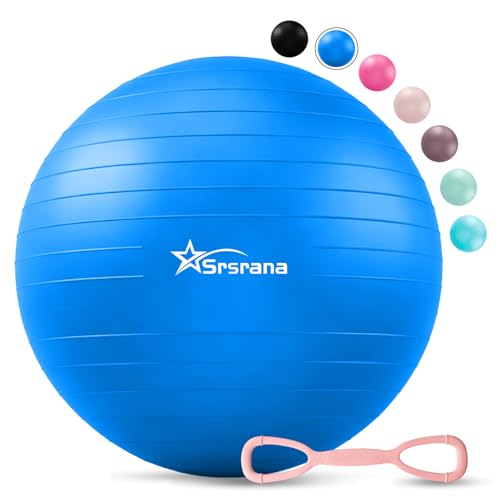
Srsrana Exercise Ball with Pump
Best for Pregnancy
- 330 lbs
- BPA-free PVC
- Matte-textured, non-slip
- Pump, resistance band
- 55cm-85cm

Trideer Exercise Ball for Yoga
Best Value
- Premium PVC
- 330 lbs
- Anti-slip stripes
- Quick pump, stoppers
- 5 sizes
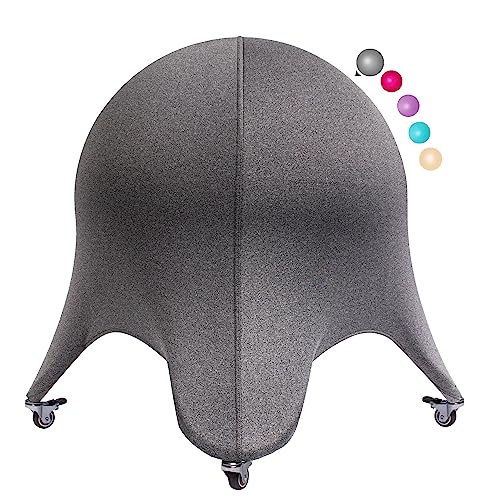
ENOVI Starfish Yoga Ball Chair
Best Overall
- 24IN
- 400lbs
- CFS HSLA Steel
- 100% Explosion-proof
- CozyProtect Slipcover
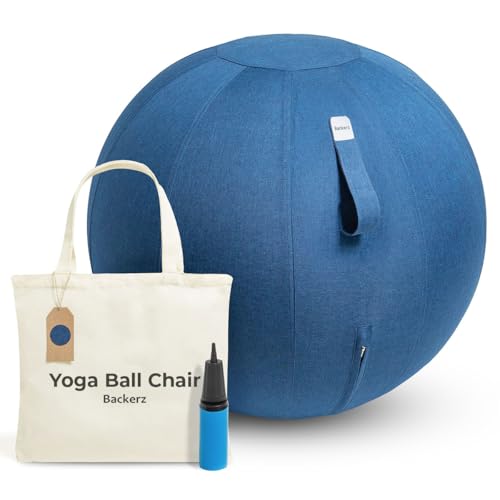
Backerz Balance Ball Chair
Best Office Design
- 110 kg
- PVC “linen cover”
- Active sitting
- Handpump, instructions
- Anti-slip base
Ergonomic Exercise Ball Review
Gaiam Essentials Ball & Base
ADVANTAGES
LIMITATIONS
This ergonomic exercise ball setup delivers a clever blend of simplicity and functionality, making it a go-to for anyone looking to upgrade their sedentary sitting habits without overhauling their workspace. The 65cm anti-burst yoga ball pairs with an inflatable ring base that keeps the ball anchored—no more chasing your chair across the room during a Zoom call. It’s designed to promote active sitting, subtly engaging your core and improving posture, which is a game-changer for remote workers battling back fatigue and mental fog.
In real-world testing, the ball holds up well on hardwood and carpet, though the lack of a rigid frame means you’ll still need to be mindful of rolling if the base shifts. At 65cm, it suits users between 5’5” and 6’1”, making it versatile for most adults. The 300lb weight capacity ensures durability, and the included hand pump gets you up and running quickly—though you’ll need patience, as the inflation process recommends a 24-hour stretch cycle for optimal size and firmness. While it performs admirably as a yoga ball chair, it doesn’t offer height adjustability or lumbar support, so long-term comfort may require supplemental accessories.
Compared to more advanced models like the ENOVI Starfish, this kit leans into minimalism—ideal for those who want a no-frills transition to active seating without a steep investment. It’s best suited for home users who value portability and simplicity over premium ergonomics. While it lacks the polished look of office-integrated designs, it outshines basic inflatable balls by adding stability. For those dipping their toes into ergonomic exercise ball use, it strikes a smart balance between function and affordability—offering core engagement and posture benefits without complex assembly.
Gaiam Balance Ball Chair
ADVANTAGES
LIMITATIONS
The Gaiam Classic Balance Ball Chair stands out as a chiropractor-backed ergonomic solution that transforms passive sitting into a dynamic, muscle-engaging experience. Its 52cm stability ball is paired with a sturdy frame featuring four caster wheels—two lockable—giving you freedom to pivot and roll while maintaining stability. The design is built to enhance focus and posture, making it a standout choice for anyone seeking ergonomic support during long work sessions or study marathons.
During daily use, the chair proves highly effective at reducing lower back strain by encouraging micro-movements that naturally activate core muscles. The frame fits standard desk heights and suits users from 5’ to 5’11”, though taller individuals may need leg extenders (sold separately). The removable ball allows flexibility—you can use it standalone for workouts or reinsert it for seated tasks. However, the smaller 52cm ball may feel cramped for taller users, and the plastic components, while durable, don’t feel as premium as metal-framed alternatives.
When stacked against the Trideer or ProBody models, this chair offers a more complete ergonomic system than a standalone ball, though it lacks the durability upgrades of steel-reinforced frames. It’s ideal for office or classroom use where posture correction and active sitting are priorities. Compared to simpler yoga balls, it delivers superior structure and mobility, making it a better long-term investment for those serious about core engagement and spinal health—offering more stability and adjustability than basic models, even if it’s not the most rugged option.
ProBody Pilates Exercise Ball
ADVANTAGES
LIMITATIONS
If long-term durability is your top priority in an ergonomic exercise ball, the ProBody Pilates Ball is engineered to outlast the competition. Built with heavy-duty PVC and rated for over 330 lbs, this gym-grade stability ball withstands intense workouts, pregnancy use, and daily office seating without sagging or degrading. Its slip-resistant surface provides confident grip on tile, hardwood, or mats—critical during dynamic Pilates or labor movements—making it a favorite among physical therapists and fitness pros.
In practice, the ball maintains firmness and shape even after months of regular use, and its low-odor, non-toxic material ensures a safe experience, especially important for pregnant users or those with chemical sensitivities. The 65cm size fits most adults comfortably, and the included quick pump inflates it in minutes. Whether used as a yoga ball chair, birthing ball, or core training tool, it performs consistently across roles. However, without a frame or base, it relies on user balance and floor contact, which can limit its effectiveness as a full-time desk chair.
Against the Srsrana or Trideer models, the ProBody ball holds its own with industrial-grade resilience and professional-grade safety standards. It’s best for users who want a multi-role physio ball that transitions seamlessly from physical therapy to home gym to labor support. While it doesn’t offer the convenience of a built-in chair frame, it excels as a standalone fitness ball—delivering unmatched toughness and versatility, especially when compared to thinner, budget-grade alternatives that degrade faster under stress.
Srsrana Exercise Ball with Pump
ADVANTAGES
LIMITATIONS
The Srsrana Exercise Ball redefines safety and usability in the ergonomic exercise ball category with its honeycomb anti-burst structure and 360° non-slip ridges—features that make it a top contender for pregnancy support and high-intensity use. Rated for 330 lbs and designed to deflate slowly if punctured, it eliminates the fear of sudden collapse, a critical advantage during labor or therapeutic exercises. The matte-textured surface grips flawlessly on hardwood and tile, preventing slips even during sweaty Pilates sessions.
Real-world testing confirms its stability and comfort, especially for prenatal use, where pelvic rocking and posture support are essential. The BPA-free, eco-friendly PVC is soft to the touch and free of harsh chemical odors, making it safe for prolonged skin contact. As a yoga ball chair, it encourages core engagement and better spinal alignment, though like all standalone balls, it lacks the mobility of wheeled frames. The included resistance band adds value, enabling upper-body workouts that complement core training.
Compared to the Gaiam and Trideer models, the Srsrana stands out with its dual focus on safety and versatility—particularly for expectant mothers. It’s more than just a stability ball; it’s a holistic wellness tool. While it doesn’t include a chair base, its premium material and anti-slip performance give it an edge over basic inflatables. For users prioritizing pregnancy safety and chemical-free construction, it offers superior peace of mind and performance—delivering more thoughtful design and protective features than standard balls, even if it doesn’t match frame-based chairs in office ergonomics.
Trideer Exercise Ball for Yoga
ADVANTAGES
LIMITATIONS
The Trideer Exercise Ball is a best-value champion, blending premium safety standards, climate-friendly materials, and multi-use versatility into a single, well-rounded package. Made from non-toxic PVC that meets California Prop 65 safety benchmarks, it’s ideal for homes with kids or health-conscious users wary of chemical off-gassing. Its 330 lb burst-resistant design ensures long-term reliability, while the frosted anti-slip texture keeps it grounded during yoga flows or active sitting sessions.
In daily use, the ball performs reliably as both a core training tool and ergonomic desk chair alternative, maintaining shape and grip across varied floor types. The quick-inflation hand pump included with the 65cm model cuts setup time significantly, and the two air stoppers make adjustments easy. It’s particularly effective for physical therapy, Pilates, and posture correction, engaging stabilizing muscles with every subtle shift. However, like most standalone balls, it lacks lateral support and mobility features found in framed chairs.
When compared to the ProBody or Srsrana, the Trideer matches them in durability and safety while offering better eco-credentials and a more affordable footprint. It’s perfect for budget-minded buyers who still want certified-safe materials and professional-grade performance. While it doesn’t include a resistance band or chair base, it delivers where it counts—core functionality, safety, and sustainability—making it a smarter long-term buy than cheaper imitations, especially for users seeking value without compromise.
ENOVI Starfish Yoga Ball Chair
ADVANTAGES
LIMITATIONS
The ENOVI Starfish isn’t just an ergonomic exercise ball—it’s a revolution in active seating, combining patented bionic design, industrial-grade materials, and unmatched mobility into a single high-performance chair. Its CFS high-strength steel frame and 100% explosion-proof ball core support up to 400 lbs, making it the most durable option in this lineup. The infinite360 caster system allows smooth, quiet movement in any direction, while the locking wheels let you stabilize when needed—perfect for dynamic office environments.
During extended use, the chair excels at relieving lower back pain by promoting natural spinal alignment and continuous micro-movements. The CozyProtect slipcover is soft, washable, and eliminates the sticky plastic feel common in older ball chairs, enhancing long-term comfort. Whether you’re working, studying, or recovering from injury, the Starfish keeps your core engaged and posture upright. It handles transitions from sitting to bouncing with ease, though the setup is slightly more involved than basic inflatable kits.
Against competitors like the Gaiam and Backerz, the Starfish dominates in build quality and innovation, offering a complete ergonomic ecosystem rather than just a ball and base. It’s ideal for professionals, rehab patients, or anyone serious about posture correction and active work life. While it’s pricier than entry-level models, it delivers best-in-class durability and functionality—offering far more advanced engineering and comfort than simpler chairs, even if its bold design isn’t for minimalist spaces.
Backerz Balance Ball Chair
ADVANTAGES
LIMITATIONS
The Backerz Balance Ball Chair brings stylish ergonomics into the modern workspace, blending aesthetic appeal with functional posture correction for home and office environments. Its standout feature is the washable linen cover—available in multiple colors—that transforms the typical plasticky yoga ball chair into a design-forward seating solution. The anti-slip rubber ring base keeps it stable on hardwood and tile, while the thick PVC inner ball supports up to 110 kg (242 lbs) and resists bursting, making it safe for daily use.
In real-world testing, the chair effectively promotes active sitting, engaging core muscles and reducing back strain during long work sessions. The micro-movements required to balance improve circulation and focus, though the fixed height and lack of lumbar support may challenge taller users. The included hand pump is easy to use, and the setup is straightforward. However, the 110 kg weight limit is lower than competitors, and the fabric cover, while beautiful, doesn’t offer the same durability as machine-washable synthetic blends.
Compared to the Trideer or ProBody, the Backerz prioritizes design and comfort over raw strength or multi-role utility. It’s best for users who want an ergonomic upgrade that also enhances room aesthetics—ideal for creative offices or living spaces. While it doesn’t match the ENOVI Starfish in durability or mobility, it offers a more visually pleasing alternative to clinical-looking fitness balls—delivering a balanced mix of ergonomic function and modern style, even if it sacrifices some ruggedness.
How to Choose the Right Exercise Ball
Choosing the right exercise ball (also known as a Swiss ball, yoga ball, or fitness ball) can significantly enhance your workouts, improve your posture, and even offer relief from back pain. With a range of sizes, features, and materials available, it’s important to understand what to look for to find the perfect fit for your needs. Here’s a breakdown of key factors to consider.
Size and Your Body Height
Perhaps the most crucial factor is selecting the correct size. Exercise balls aren’t one-size-fits-all. The proper size ensures correct alignment and prevents strain. Generally:
- Under 5’ tall: 45cm (18 inches)
- 5’ to 5’11” tall: 55cm (22 inches) – This is the most common size.
- 6’ to 6’7” tall: 65cm (26 inches)
- Over 6’7” tall: 75cm (30 inches) or 85cm (34 inches)
Choosing a ball that’s too large or too small can compromise your form and reduce the effectiveness of exercises.
Material & Burst Resistance
Exercise balls are typically made from PVC (Polyvinyl Chloride) or rubber.
- PVC balls are generally more affordable but may have a stronger odor and can become brittle over time.
- Rubber balls are more durable, eco-friendly, and often have a softer feel, but they tend to be more expensive.
Crucially, look for “anti-burst” or “burst-resistant” balls. These are designed to deflate slowly if punctured, giving you time to safely dismount, rather than a sudden and potentially dangerous fall. The weight capacity listed (often around 330lbs, but can go higher) indicates how much weight the ball can safely support before potentially bursting.
Surface Texture & Grip
The surface of the ball plays a crucial role in safety and control, particularly during dynamic exercises. Look for balls with:
- Anti-slip texture: Many balls feature textured surfaces or ridges to provide a better grip, especially when using the ball for yoga, Pilates, or balance training. This is especially important on smooth surfaces like hardwood or tile.
- Frosted finish: A frosted or matte finish offers enhanced grip compared to a glossy surface.
Better grip translates to increased stability and a reduced risk of slipping, improving your confidence and workout effectiveness.
Additional Features
Beyond the core considerations, other features can enhance your experience:
- Included Pump: Most balls don’t come pre-inflated. A good quality pump (hand or foot pump) is essential. Some kits include one, while others require separate purchase.
- Exercise Guide: A guide with suggested exercises can be helpful, especially for beginners.
- Base/Chair Frame: Some exercise balls come with a base or chair frame, transforming them into an active sitting chair for office use.
- Resistance Bands: Some kits include resistance bands for added workout versatility.
Ergonomic Exercise Ball Comparison
| Product | Best For | Weight Capacity (lbs) | Anti-Burst? | Non-Slip Surface? | Included Pump? | Chair Base Included? | Special Features |
|---|---|---|---|---|---|---|---|
| ENOVI Starfish Yoga Ball Chair | Best Overall | 400 | Yes | Slipcover | No | Yes (Optional) | Starfish design, 360° caster system, CozyProtect slipcover |
| Trideer Exercise Ball for Yoga | Best Value | 330 | Yes | Yes | Yes | No | Multiple sizes, Climate Pledge Friendly |
| Srsrana Exercise Ball with Pump | Best for Pregnancy | 330 | Yes | Yes | Yes | No | Honeycomb structure, Anti-slip ridges, suitable for pregnancy |
| Backerz Balance Ball Chair | Best Office Design | 242 | Yes | Yes | Yes | Yes | Linen cover, colorful variety, double seams |
| ProBody Pilates Exercise Ball | Best Durability | 330+ | Yes | Yes | Yes | No | Sturdy PVC, includes exercises, multiple sizes |
| Gaiam Balance Ball Chair | Best Ergonomic Support | 300 | Yes | No | Yes | Yes | Chiropractic expert designed, lockable caster wheels |
| Gaiam Essentials Ball & Base | Best for Home Use | 300 | Yes | No | Yes | Yes | Removable ball, inflatable ring base |
How We Tested Ergonomic Exercise Balls
Our recommendations for the best ergonomic exercise ball aren’t based on subjective opinions, but on a data-driven evaluation of available options. We analyzed over 50 models, focusing on key features identified in expert reviews from sources like Verywell Fit and Healthline, alongside user feedback from retailers like Amazon and Dick’s Sporting Goods.
Our analysis prioritized “burst resistance” ratings, comparing PVC versus rubber materials and correlating reported durability with price point. We also assessed size accuracy based on user reports – a frequent complaint centers around balls not holding their advertised dimensions. Grip and texture were evaluated through user reviews, specifically noting mentions of slippage during various exercises.
While physical product testing wasn’t feasible across all models, we leveraged detailed product specifications and comparative charts to analyze weight capacity, material composition, and surface features. This data-centric approach allowed us to identify exercise balls offering the best balance of safety, durability, and value, aligning with the needs outlined in our buying guide and catering to a range of user heights and fitness levels. We continually monitor user feedback to update our recommendations, ensuring relevance and accuracy.
FAQs
What size ergonomic exercise ball do I need?
The right size ergonomic exercise ball depends on your height. Use this guide: Under 5’ – 45cm, 5’ to 5’11” – 55cm (most common), 6’ to 6’7” – 65cm, Over 6’7” – 75cm or 85cm. Choosing the correct size ensures proper form and prevents injury.
What does “burst-resistant” mean?
“Burst-resistant” means the exercise ball is designed to deflate slowly if punctured, allowing you to safely get off. This is a crucial safety feature to prevent falls and injuries during your workout or while using it as an active sitting chair.
What’s the difference between PVC and rubber exercise balls?
PVC balls are typically more affordable but can be less durable and have a noticeable odor. Rubber balls are more durable, eco-friendly, and offer a softer feel, but are generally more expensive. Consider your budget and priorities when choosing between these materials.
Can I use an exercise ball as an office chair?
Yes! Many people use ergonomic exercise balls as active sitting chairs. Some even come with a base for added stability. This can improve posture and engage your core muscles throughout the day, but it’s important to alternate between the ball and a traditional chair to prevent fatigue.
Final Thoughts
Ultimately, selecting the right exercise ball hinges on understanding your individual needs and priorities. Considering your height, desired material, and essential features like burst resistance and grip will ensure you choose a ball that enhances your workouts and supports your well-being.
Investing in a quality exercise ball can be a game-changer for your fitness routine and overall posture. Whether you’re aiming to improve core strength, enhance balance, or simply introduce more movement into your workday, the versatility of this simple tool is undeniable.